Politics
Aisha Buhari: How Aso Rock Rumours, Missed Meals Pushed Buhari Into 2017 Health Crisis
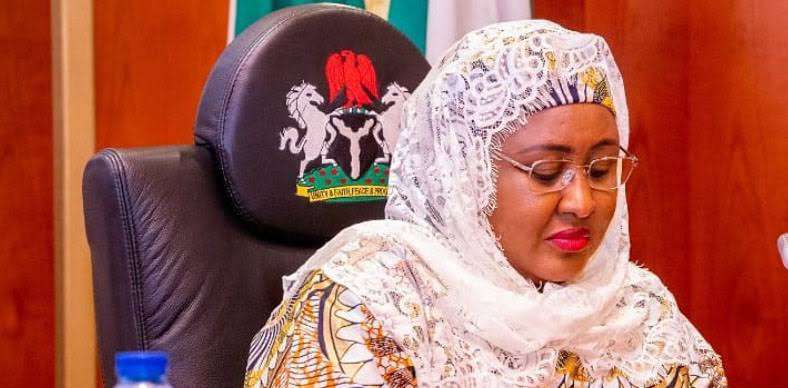
Former First Lady, Aisha Buhari, has disclosed that damaging rumours within Aso Rock, alleging she intended to kill her husband, unsettled late President Muhammadu Buhari, disrupted his feeding routine and ultimately contributed to the health crisis that kept him away from office for a total of 154 days in 2017.
Mrs Buhari’s account is contained in a new 600-page biography, From Soldier to Statesman: The Legacy of Muhammadu Buhari, written by Dr Charles Omole and unveiled at the State House on Monday.
According to the book, the former First Lady said Buhari briefly believed the rumours, triggering suspicion and anxiety within the Presidential Villa. She revealed that the President began locking his room, altered familiar habits and, most critically, abandoned a carefully structured nutrition plan she had supervised for years.
“They said I wanted to kill him. My husband believed them for a week or so,” Mrs Buhari was quoted as saying. “He started locking his room. Meals were delayed or missed, and the supplements were stopped.”
She rejected claims that Buhari’s illness was mysterious or linked to poisoning, insisting instead that the crisis resulted from the sudden collapse of a feeding and supplement routine designed to support his fragile health.
The biography described Buhari as “a slender man with a long history of malnutrition symptoms,” whose wellbeing depended heavily on precisely timed meals, vitamins and supplements, first managed by his wife in Kaduna and later continued at the Presidential Villa.
“Elderly bodies require gentle, consistent support,” Mrs Buhari recalled. “He doesn’t have a chronic illness. Keep him on schedule.”
Before the health decline, she reportedly convened a meeting involving the President’s personal physician, Dr Suhayb Rafindadi; the Chief Security Officer, Bashir Abubakar; the housekeeper and the Director-General of the Department of State Services to outline the nutrition plan.
Dr Omole wrote that the routine involved “daily, at specific hours, cups and bowls with tailored vitamin powders and oils, a touch of protein here, a change to cereals there.”
However, the arrangement broke down amid what Mrs Buhari described as fear-mongering and intrigue within the Presidency.
“For a year, he did not have lunch. They mismanaged his meals,” she said.
The deterioration eventually culminated in Buhari’s extended medical trips to the United Kingdom in 2017, during which he temporarily transferred power to then Vice President Yemi Osinbajo. After his return, Buhari admitted publicly that he had “never been so ill” and had received blood transfusions.
While in London, doctors reportedly intensified the nutrition-based treatment with stronger supplements. Mrs Buhari said Buhari was initially hesitant to take them, prompting her to personally supervise his intake.
“She took charge of his welfare, slipping hospital-issued supplements into his juice and oats,” the book noted.
The recovery, she said, was swift. “After just three days, he threw away the stick he was walking with. After a week, he was receiving relatives.”
Mrs Buhari maintained that both the onset and recovery of the illness underscored the importance of nutrition. “That was the genesis, and also the reversal of his sickness,” she said.
The book also shed light on a wider atmosphere of mistrust during Buhari’s presidency. Mrs Buhari alleged that the President’s office was bugged and private conversations replayed, fostering fear and stress which she said affected his health.
She dismissed persistent rumours that Buhari was replaced by a body double, popularly known as “Jibril of Sudan,” describing the claims as baseless and blaming poor government communication for allowing conspiracy theories to thrive.
Dr Omole observed that while Buhari’s repeated treatment in the UK drew criticism over Nigeria’s healthcare system, a more empathetic view acknowledged the specialised care required by an ageing leader after decades of neglect in the sector.
He added that Buhari’s habit of formally handing over authority during medical absences demonstrated respect for constitutional order, even in moments of personal vulnerability.
The biography traces Buhari’s life from his early years in Daura, Katsina State, through his military and political career, to his final days in a London hospital in mid-July 2025.