Education in Nigeria
Reps ask FG to review Benin, Togo degree ban after Aguocha’s petition
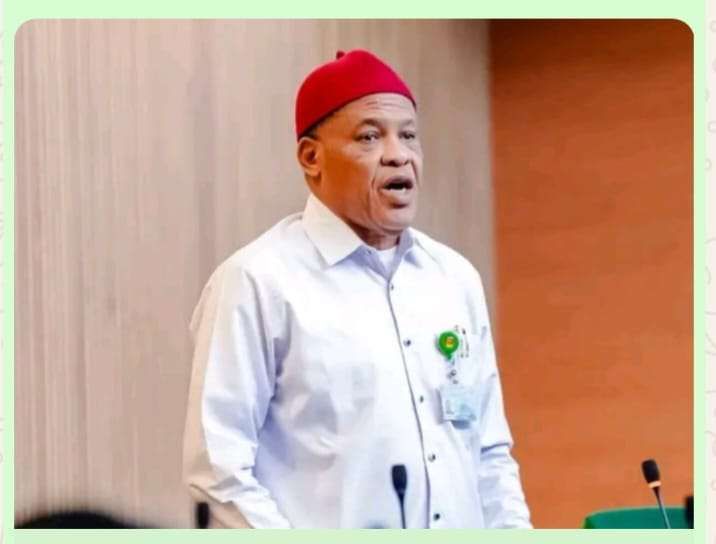
The House of Representatives has asked the Federal Government to reverse the blanket invalidation of university degree certificates obtained from institutions in the Republics of Benin and Togo following a petition presented by a lawmaker, Obi Aguocha.
The resolution followed the consideration of Petition No. 445, which Aguocha, who represents Ikwuano/Umuahia North and South Federal Constituency, presented before the House on October 24, 2024 on behalf of Sovereignty Legal Practitioners and stakeholders in the education sector.
The petition challenged the Federal Government’s policy invalidating degrees obtained from universities in the two neighbouring countries, arguing that the decision unfairly affected thousands of Nigerian graduates who studied in accredited institutions.
Petitioners said the policy had triggered several consequences, including the suspension of mobilisation of affected graduates for the National Youth Service Corps (NYSC) scheme and the termination or threat of job losses for many degree holders.
Following the submission, the House Committee on Public Petitions commenced an investigation into the matter and held a series of hearings involving key government agencies and education authorities.
During the probe, the committee obtained and reviewed accreditation records from the Federal Ministry of Education, the Federal Ministry of Foreign Affairs, as well as education authorities in Benin Republic and Togo.
According to findings presented to the House, the records confirmed that several of the institutions attended by the affected Nigerians were duly accredited and recognised.
After deliberating on the committee’s report, lawmakers adopted its recommendations and directed the Federal Government to rescind the blanket invalidation of the certificates.
Instead, the House asked the government to introduce a verification system that would examine suspected cases of fraud individually rather than imposing a general ban on all degrees from the two countries.
The lawmakers noted that a blanket policy could unjustly punish innocent graduates and undermine legitimate academic qualifications.
The House also raised constitutional concerns about the policy, stating that it may violate Sections 36 and 42 of the 1999 Constitution relating to fair hearing and freedom from discrimination.
In addition, lawmakers warned that the measure could conflict with regional agreements under the Economic Community of West African States which promote mutual recognition of academic qualifications among member states.
The resolution is expected to provide relief for thousands of Nigerians who obtained degrees from universities in Benin Republic and Togo and whose certificates had been questioned following the government’s policy.
Lawmakers said adopting a case-by-case verification process would allow authorities to identify fraudulent qualifications while protecting the rights and livelihoods of genuine graduates.
The House expressed hope that the Federal Government would act on the resolution to ensure fairness and prevent further hardship for affected Nigerians.