Education in Nigeria
FG outlaws ‘Dr’ title for honorary degree recipients, warns of sanctions
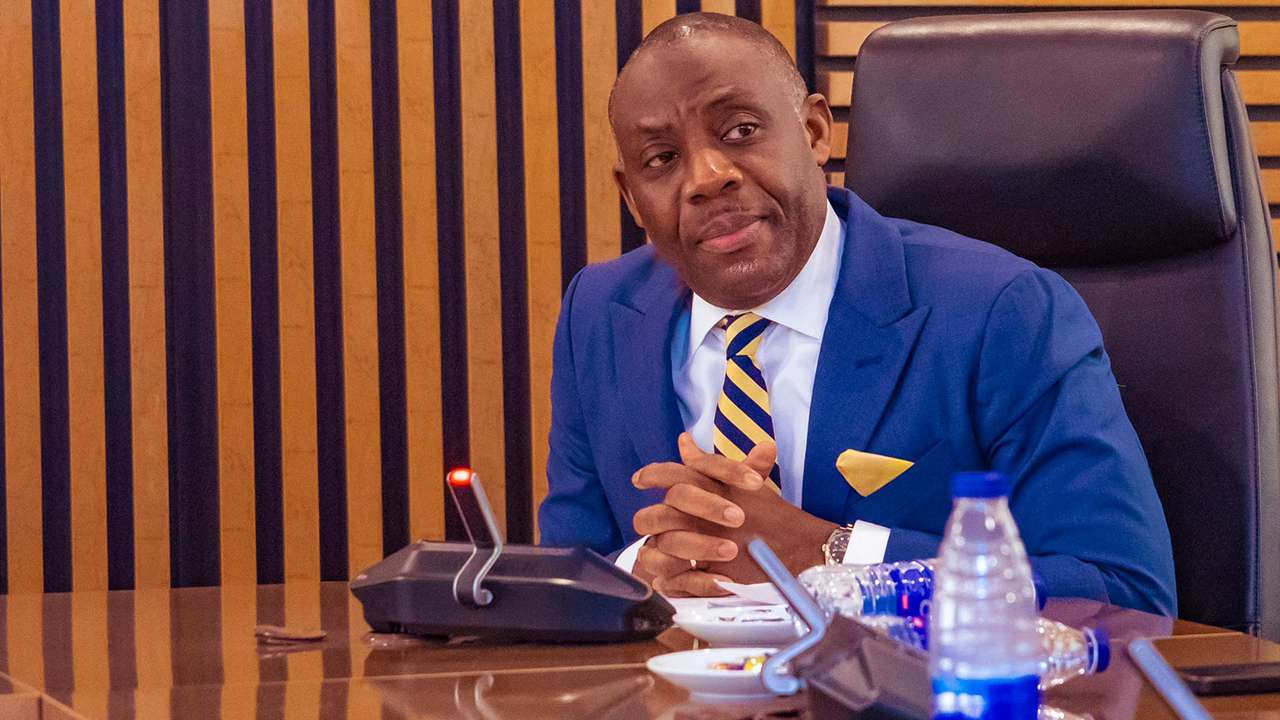
The Federal Government has prohibited recipients of honorary degrees from using the “Dr” title before their names, declaring the practice a misrepresentation of academic credentials that will now attract sanctions.
Minister of Education, Tunji Alausa, announced the directive on Wednesday at the Presidential Villa in Abuja while briefing State House correspondents on recent approvals by the Federal Executive Council (FEC).

According to the minister, the new policy establishes a uniform standard for the conferment and usage of honorary degrees across Nigerian universities, aimed at curbing what he described as longstanding abuse and politicisation of such awards.
Alausa said the growing trend of awarding honorary degrees for political patronage and financial considerations had eroded the credibility of academic titles in the country.
“The misuse of honorary degrees has become widespread, with awards often driven by political and financial motives rather than merit,” he said, adding that the new rules are designed to restore integrity to the system.
Under the revised guidelines, recipients of honorary degrees are no longer permitted to prefix “Dr” to their names in official, academic, or professional settings. Instead, they are required to indicate the honorary nature of the award by listing it after their names.
For instance, recipients are expected to adopt formats such as “Chief Louis Clark, D.Lit. (Honoris Causa)” or “Mrs Miriam Adamu, LL.D. (Hons.),” clearly distinguishing honorary titles from earned academic qualifications.
The minister stressed that any attempt to present an honorary degree as an earned doctorate would be treated as academic fraud, with legal and reputational consequences.
The policy also limits Nigerian universities to awarding only four categories of honorary doctorates: Doctor of Laws (LL.D), Doctor of Letters (D.Lit), Doctor of Science (D.Sc), and Doctor of Humanities (D.Arts).
In addition, institutions without active doctoral (PhD) programmes have been barred from conferring honorary degrees, a move aimed at addressing the rise of relatively new universities granting such honours despite lacking robust academic structures.
Alausa noted that all honorary awards must explicitly carry the designation “honorary” or “Honoris Causa” on certificates and in all formal references.
He said the reforms follow years of concern within the academic community over the commercialisation of honorary degrees, with allegations that some institutions award them to wealthy individuals and public officials in exchange for financial support.
Efforts to regulate the practice, including the 2012 Keffi Declaration by the Association of Vice-Chancellors of Nigerian Universities, failed due to lack of legal backing.
“The association had no enforcement powers, which limited its effectiveness. This new approval by FEC now provides the necessary legal authority,” the minister explained.
The Federal Ministry of Education, working with the National Universities Commission, will issue compliance directives to universities nationwide. Authorities also plan to monitor convocation ceremonies and partner with the media to discourage misuse of honorary titles.
As part of the enforcement strategy, the government will publish an annual list of legitimate honorary degree recipients to safeguard the value of earned academic qualifications.
Alausa affirmed that the NUC has the statutory authority to ensure full implementation of the policy across the country’s university system.