Business
Nigeria poised to benefit as oil hits $79 amid Middle East tensions

Crude oil prices climbed sharply on Monday, hitting $79 per barrel – the highest level in over a year and well above Nigeria’s 2026 budget benchmark of $64.85.
Brent crude, the global benchmark, surged more than 9 percent, briefly touching $82 before settling at $79. US West Texas Intermediate (WTI) also rose over 9 percent, trading at $73.06 per barrel.
The rally comes amid escalating tensions in the Middle East. On Saturday, US and Israeli forces carried out strikes on Iranian targets, killing Supreme Leader Ayatollah Ali Khamenei, armed forces chief Abdolrahim Mousavi, and several family members, including Khamenei’s daughter, grandchild, daughter-in-law, and son-in-law.
In response, Iran launched waves of missile strikes across the region, raising fears of a wider conflict that could further disrupt global energy markets.
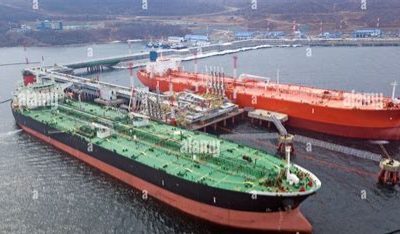
The military escalation has already impacted shipping. Major shipping companies — including Maersk, Mediterranean Shipping Company (MSC), and CMA CGM — have suspended sailings through the Strait of Hormuz and the Suez Canal–Bab el-Mandeb corridor amid security concerns. These waterways handle roughly 20 percent of the world’s seaborne oil and liquefied natural gas (LNG).
Market analysts warn that a prolonged spike in oil prices could reignite global inflation, effectively acting as a hidden tax on businesses and consumers, and dampening energy demand and economic growth worldwide.
For Nigeria, however, the price surge offers a much-needed boost. At $79 per barrel, crude is trading well above the country’s 2026 budget benchmark, providing a potential windfall for government revenues amid ongoing fiscal pressures.
The sudden rise underscores the sensitivity of global oil markets to geopolitical events, highlighting both risks and opportunities for oil-dependent economies like Nigeria.