Politics
Ghana summons South African envoy over xenophobic attacks on citizens
Ghana has summoned South Africa’s diplomatic representative following reports of renewed xenophobic incidents targeting Ghanaian nationals, in a development that has heightened concern over the safety of foreign migrants in the country.
The move comes amid rising tensions and the circulation of social media videos allegedly showing harassment of foreign nationals, including Ghanaians, in parts of South Africa.

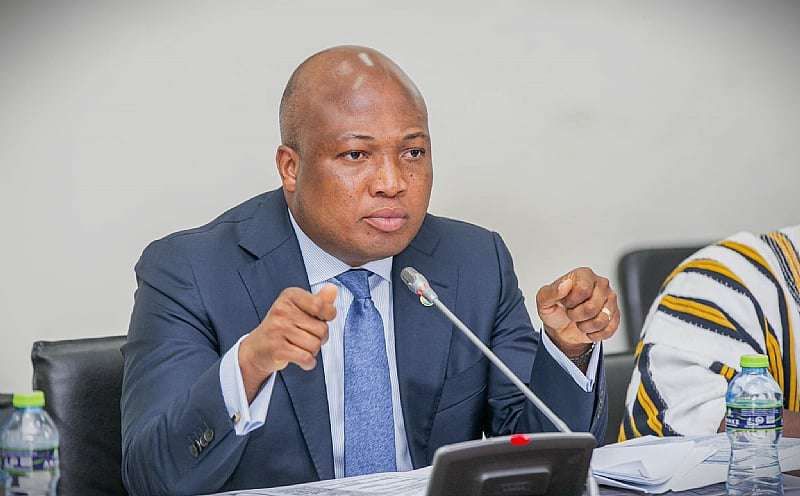
Ghana’s Foreign Minister, Samuel Okudzeto Ablakwa, cited a recent case in KwaZulu-Natal in which a Ghanaian legal resident was allegedly confronted and told to return home to “fix his country.”
In a statement issued on Thursday, Ghana’s Ministry of Foreign Affairs said it had expressed concern over what it described as escalating tensions and advised Ghanaian nationals in South Africa to exercise caution and remain indoors where necessary for their safety.
The minister raised the issue during a meeting with South Africa’s Acting High Commissioner to Ghana, Thando Dalamba, where he condemned the alleged attacks and stressed the need to protect lawful migrants.
Ablakwa described the reported incidents as inconsistent with African solidarity, noting Ghana’s historical support for South Africa during the anti-apartheid struggle.
“Such acts are unacceptable and undermine the unity and shared values of the continent,” he said.
South Africa, Africa’s most industrialised economy, continues to attract migrants from across the continent. However, it has also experienced repeated episodes of xenophobic sentiment, driven in part by high unemployment levels exceeding 30 per cent.
Authorities have occasionally recorded outbreaks of violence and protests targeting foreign nationals, sparking diplomatic concern from affected countries.
Official figures from 2022 estimate that South Africa hosts about 2.4 million foreign-born residents, representing roughly four per cent of its population.