Business
HSBC profit falls short as credit losses rise, shares tumble
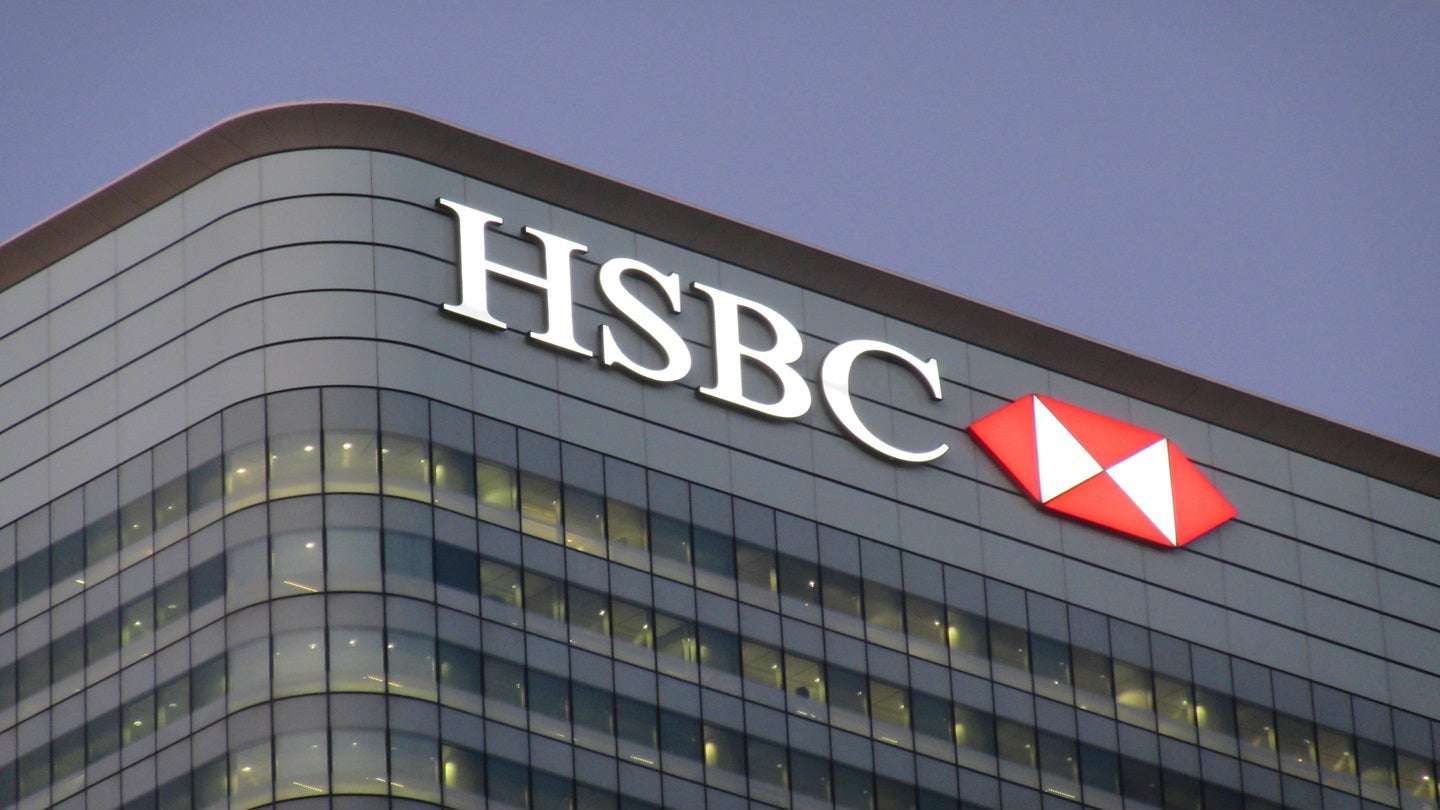
Shares of HSBC came under pressure on Tuesday after the lender reported first-quarter results that missed profit expectations, weighed down by higher credit impairment charges despite resilient revenue growth.
The bank posted pre-tax profit of $9.37 billion, falling short of analysts’ consensus estimate of $9.59 billion. The weaker-than-expected performance came even as total revenue rose 6% year-on-year to $18.62 billion, slightly above forecasts, driven by stronger wealth management fees and other income streams.

The profit miss triggered a sharp market reaction, with HSBC’s shares sliding 4.6% in Hong Kong trading and its London-listed stock dropping about 5.5%.
A major drag on earnings was a rise in expected credit losses, which increased to $1.3 billion—about $400 million higher than a year earlier and above market expectations. The bank linked the increase to fraud-related exposure involving a UK-based financial sponsor, as well as growing caution over global economic conditions.
HSBC also pointed to heightened uncertainty from geopolitical tensions in the Middle East, warning that the conflict could worsen inflation and slow global growth.
In comments to CNBC, Chief Financial Officer Pam Kaur said the bank remained confident in its risk buffers despite the increase in provisions.
“At a $1.3 billion charge based on what we know today and the forward outlook we have of various downside plausible scenarios, we are well provided for,” she said.
The bank cautioned that if geopolitical risks intensify-particularly through higher oil prices and persistent inflation-it could face a mid-to-high single-digit percentage impact on pre-tax profit.
Operating performance showed mixed trends. Net interest income rose 8% year-on-year to $8.9 billion, supported by improved lending margins. However, operating expenses also climbed 8%, reflecting inflationary pressures, foreign exchange effects, higher planned investments, and performance-related pay.
HSBC said it remains on track to achieve $1.5 billion in annualised cost reductions by mid-2026. It also expects to generate about $0.5 billion in pre-tax synergies by 2028 following the privatisation of Hang Seng Bank, completed earlier this year in Hong Kong.
Despite near-term headwinds, profitability remained strong, with return on tangible equity (RoTE) at 18.7% excluding notable items—comfortably above the bank’s medium-term target of over 17%. However, HSBC warned that this metric could fall below target in 2026 if adverse global conditions materialise.
The board also approved an interim dividend of 10 cents per share, signalling continued commitment to shareholder returns even as the bank navigates a more uncertain economic environment.