Politics
Nigerians facing xenophobia prefer staying in South Africa to returning home, Obi laments
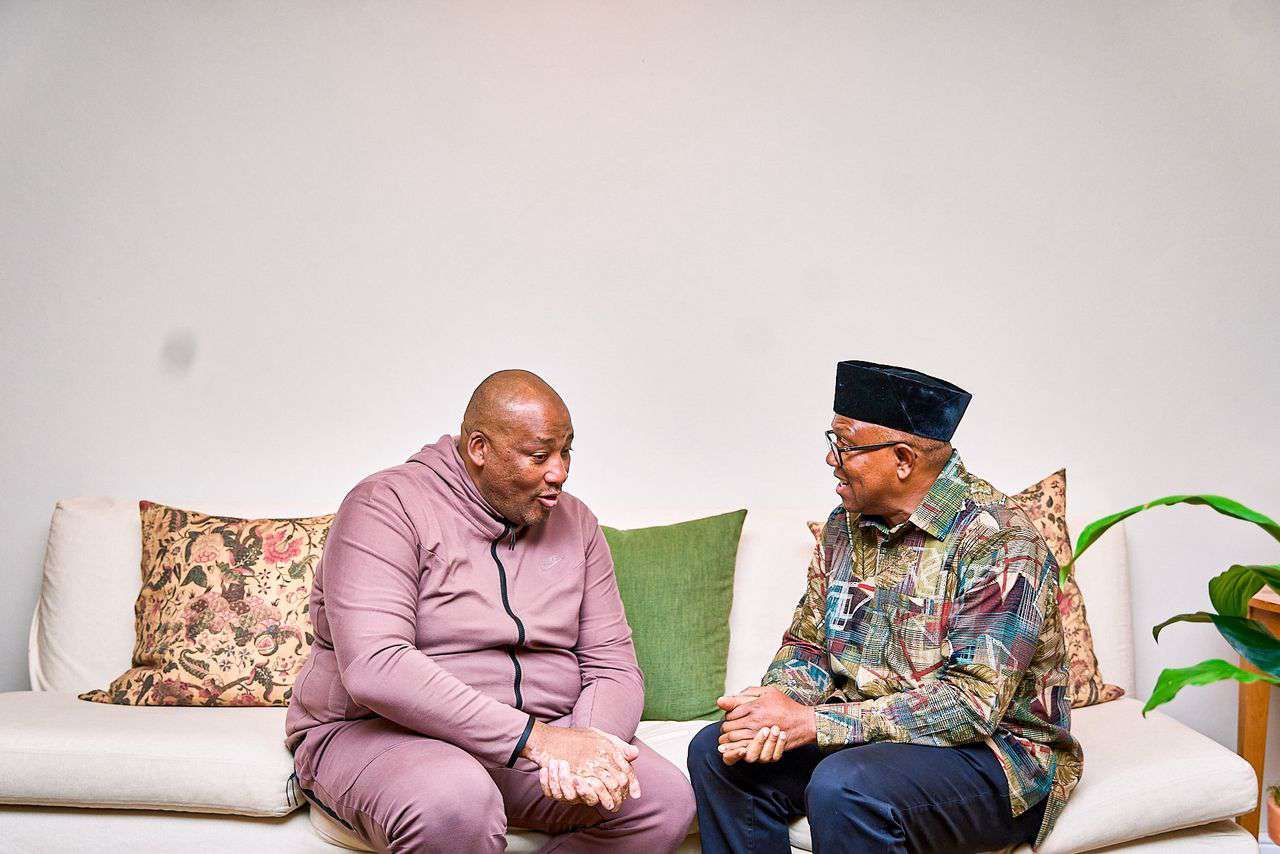
Former Anambra State Governor, Peter Obi, has expressed concern over the worsening conditions faced by Nigerians abroad, revealing that many citizens experiencing xenophobic attacks in South Africa would rather remain there than return to Nigeria.
Obi disclosed this while speaking at a dinner organised for aspirants of the National Democratic Coalition (NDC) in Abuja on Monday, shortly after returning from South Africa.

According to a statement issued by the NDC media team on Tuesday, the former Labour Party presidential candidate said attempts to assist distressed Nigerians to return home were rejected by several of them, who insisted that living conditions in Nigeria were even more difficult.
“I just came back from South Africa and saw firsthand what Nigerians are passing through there and in many other African countries,” Obi said.
“We made arrangements to support some of them to return home, but many told me they would rather die there than come back because, according to them, conditions in Nigeria are worse.”
Obi lamented that many Nigerians were forced to seek survival outside the country due to economic hardship and governance failures.
He noted that if Nigeria’s economy and institutions were functioning properly, many citizens would not be compelled to leave the country in search of opportunities abroad.
The former governor also disclosed that he held discussions with political leaders in South Africa, including former President Thabo Mbeki, on ways to improve relations between South Africans and other African nationals.
“I met with ministers and political leaders to discuss how to improve coexistence between South Africans and other Africans, and the discussions were productive,” he stated.
Obi further criticised the Federal Government over what he described as inadequate support for Nigerians facing challenges in foreign countries.
According to him, many foreign leaders confirmed that Nigerian authorities rarely engage with them over the welfare of Nigerian citizens residing abroad.
“It is not only in South Africa that Nigerians are facing problems. They face similar issues in several countries, and when I ask leaders there whether our government has reached out, the answer is often no,” he said.
“If your own country is not standing up for you, who else will?”
Obi also decried the country’s growing insecurity, describing it as unacceptable that Nigeria, once active in global peacekeeping operations, now struggles to secure its own territory.
“Nigeria once played major roles in international peacekeeping missions across the world, but today we cannot adequately secure our own country. That is unacceptable,” he added.
Meanwhile, NDC National Leader, Seriake Dickson, explained why the party was unable to deploy electronic voting during its primaries as earlier planned.
Dickson said the platform and application for the process had already been developed but required additional testing to avoid technical failures.
According to him, the NDC intends to fully adopt electronic voting in future internal elections, adding that the innovation could eventually serve as a model for Nigeria’s broader electoral system.
Also speaking at the event, former Secretary of the Board of Trustees of the New Nigeria People’s Party, Buba Galadima, urged aspirants who may lose party tickets to remain committed to the party ahead of future elections.
Galadima noted that only one aspirant could emerge in each constituency and advised party members to prioritise party unity over personal ambition.