
Education in Nigeria
FG plans end to common entrance, introduces unique ID to track pupils
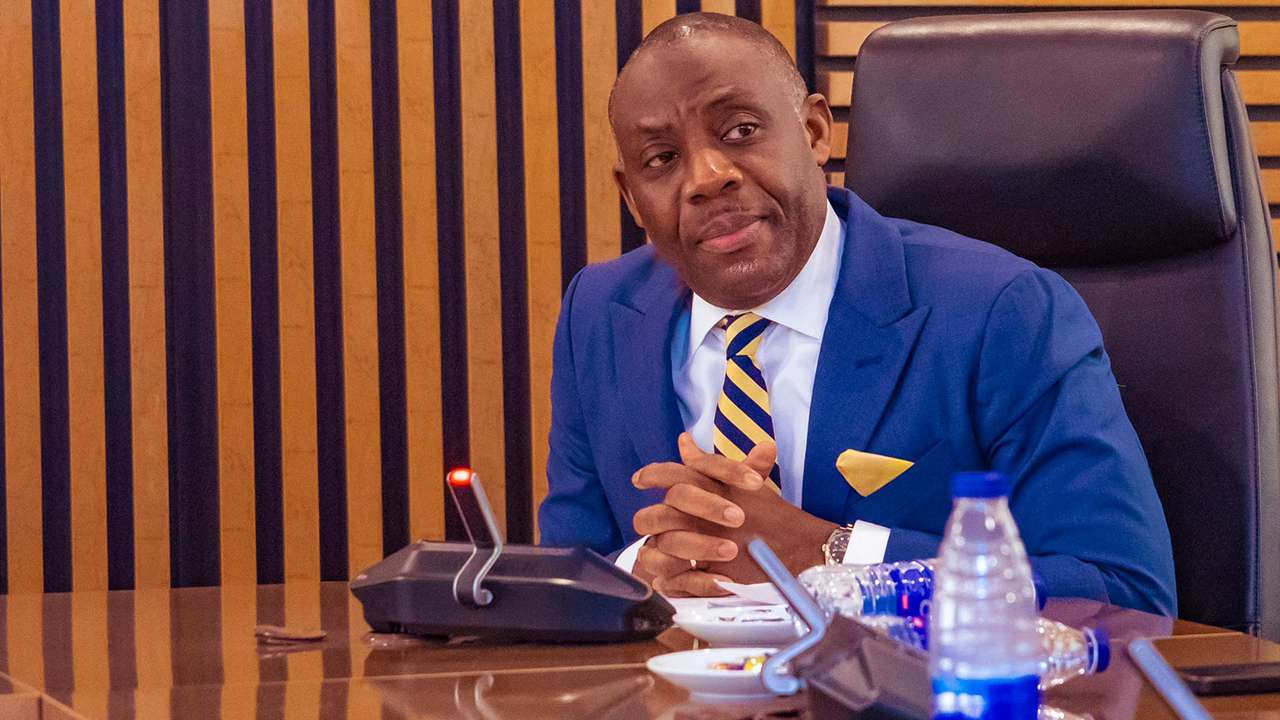
The Federal Government has announced a sweeping reform of Nigeria’s basic education system, including plans to abolish the Junior Secondary School Common Entrance Examination and deploy a national tracking system for pupils.
Minister of Education, Tunji Alausa, disclosed the initiative during a media briefing in Lagos, stating that the move is aimed at improving access, continuity, and accountability in the education sector.
Under the new framework, the common entrance examination will be gradually phased out and replaced with a Continuous Assessment (CA) model that evaluates pupils based on their performance from the early years of primary school.
Alausa explained that the system would ensure that a child’s academic record follows them throughout their schooling, even when they change institutions.
“Continuous assessment will reflect a pupil’s performance from primary one, and it will move with them wherever they go,” he said.
The minister said the reform is in response to alarming gaps in the transition from primary to secondary education. Despite over 23 million pupils enrolled in more than 50,000 public primary schools nationwide, only a fraction proceed to junior secondary school.
“This leaves a huge number of children unaccounted for within the system. It is a clear indication of limited access,” he noted.
He called on state governments to urgently expand infrastructure by building more schools, stressing that existing facilities cannot absorb the growing number of learners.
To address the issue of tracking and accountability, the government will introduce a Learner Identification Number for every pupil. The unique ID will allow authorities to monitor students’ progression and detect early signs of dropout.
“With this system, if a child fails to transition to the next level, we will know and be able to intervene,” the minister said.
Alausa also revealed plans to revitalise the school feeding programme as part of broader efforts to encourage enrolment and reduce dropout rates, particularly among children from low-income backgrounds.
The proposed changes, he said, are part of a wider strategy to strengthen Nigeria’s education system, improve retention, and ensure that more children complete their basic schooling.