Business
Ceasefire future uncertain as US VP Vance exits Iran talks without breakthrough
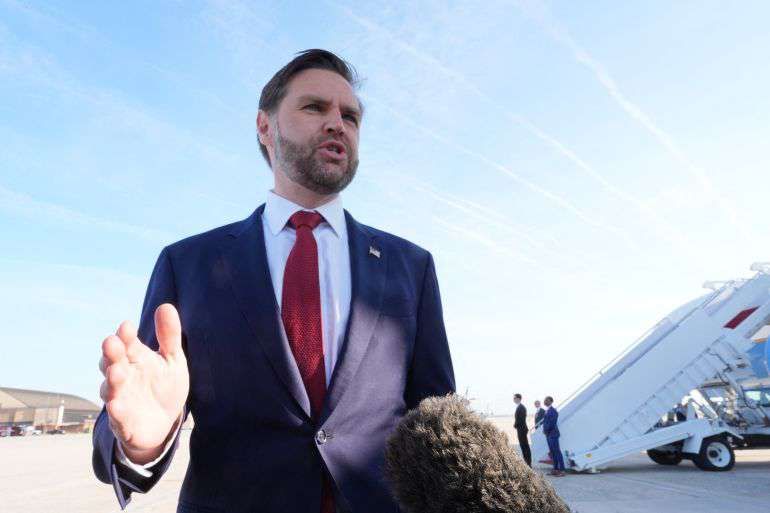
United States Vice President JD Vance left high-level negotiations with Iran on Sunday without securing an agreement, casting doubt over the durability of a fragile ceasefire and exposing deep divisions over Tehran’s nuclear programme.
The talks, held in Islamabad, ended after nearly 24 hours of intense discussions between U.S. and Iranian officials, with both sides unable to bridge critical gaps on key security issues.

Addressing journalists after the meeting, Vance said the United States had engaged in “serious and substantive” dialogue but could not reach a deal, primarily due to Iran’s refusal to commit to halting its nuclear ambitions.
“We made it clear that any agreement must include a firm assurance that Iran will not pursue nuclear weapons or develop the capabilities to acquire them quickly,” he said. “That remains the central sticking point.”
The negotiations were widely viewed as a crucial test of diplomatic efforts to stabilise tensions following a temporary ceasefire announced earlier in the week. However, persistent mistrust and sharply differing expectations ultimately stalled progress.
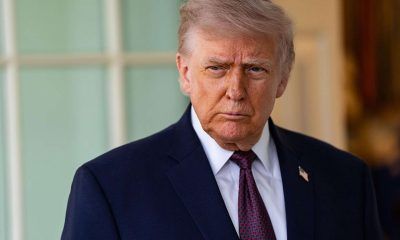
Throughout the talks, Vance maintained close contact with U.S. President Donald Trump and other top officials, including Secretary of State Marco Rubio, underscoring the high stakes attached to the outcome.
Despite the impasse, the U.S. delegation described its proposal as a comprehensive framework capable of resolving the crisis, adding that Washington remains open to further engagement if Tehran reconsiders its position.
Iranian authorities, however, rejected the U.S. account, accusing Washington of imposing unrealistic conditions. Reports from state-aligned media suggested that disagreements over nuclear material restrictions and demands tied to reopening the Strait of Hormuz were central to the deadlock.
The Strait of Hormuz, a vital artery for global energy supply, continues to be a focal point of the standoff. Iran has maintained tight control over maritime traffic in the channel, despite earlier expectations that the ceasefire would ease restrictions and restore commercial shipping.
Meanwhile, military activity in the region has continued to escalate. The United States Central Command confirmed that American forces have begun operations to remove sea mines from the strategic waterway, deploying naval assets to secure safe passage for international vessels.
U.S. Defense Secretary Pete Hegseth said the operation is part of broader efforts to guarantee freedom of navigation and protect global trade routes.
President Trump reinforced that position, insisting that maritime security operations would proceed regardless of the outcome of diplomatic efforts.
On the Iranian side, the Islamic Revolutionary Guard Corps issued a stern warning, stating that any attempt by foreign military ships to transit the strait would provoke a forceful response, although civilian vessels may still be permitted under regulated conditions.
Despite the tensions, there were tentative signs of movement in global shipping, with several oil tankers successfully passing through the strait over the weekend. Analysts say the limited activity could signal cautious attempts to resume trade amid uncertainty.
The broader regional picture remains volatile. Iran’s delegation, led by Parliament Speaker Mohammad Bagher Qalibaf, arrived at the talks amid heightened tensions, including public mourning over casualties from recent military strikes involving U.S. forces.
Complicating matters further, ongoing hostilities involving Iran-backed groups continue to strain the ceasefire. Israel’s sustained military campaign against Hezbollah in Lebanon has added another layer of instability, raising fears that the conflict could widen.
Diplomatic efforts elsewhere in the region also face uncertainty. Proposed talks between Israel and Lebanon, expected to take place in Washington, have encountered resistance within Lebanon, where political divisions and public protests threaten to derail the initiative.
The humanitarian situation remains dire, particularly in Lebanon, where authorities report that thousands have been killed since the conflict intensified, with recent airstrikes accounting for a significant portion of the casualties.
Amid the growing crisis, international calls for restraint have intensified. Pope Leo XIV urged global leaders to abandon what he described as the “illusion of power” driving the conflict and to prioritise dialogue over continued violence.