Business
US bill sparks China’s rebuttal as Nigeria cracks down on illegal mining
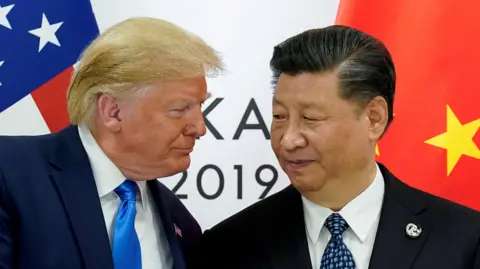
Nigeria’s mining sector has unexpectedly become the centre of a diplomatic standoff between the United States and China, after a proposed U.S. bill accused Chinese nationals of involvement in illegal mining and alleged links to armed militias in parts of northern Nigeria.
Beijing has responded sharply, dismissing the allegations as “completely baseless” and warning that such claims could undermine the longstanding cooperative relationship between China and Nigeria.

At the same time, the Nigerian government is intensifying its enforcement campaign against illegal mining after the killing of a security officer during a patrol in Niger State, highlighting the dangers faced on the ground.
The controversy stems from the proposed Nigeria Religious Freedom and Accountability Act of 2026, introduced by a group of Republican lawmakers in Washington. Among other provisions, the bill urges the U.S. Secretary of State to work with Nigeria to counter what it calls “hostile foreign exploitation” linked to illegal Chinese mining operations. It further alleges that some operators pay protection money to Fulani militias and recommends technical support from the U.S. to address violence involving these groups.
Although the legislation is still under consideration, it has already triggered a formal diplomatic response from the Chinese Embassy in Abuja.
In a strongly worded statement, the embassy rejected what it described as fabricated claims amplified by sections of the media, including assertions that “Chinese mining companies [are] funding terrorism.”
“These accusations are completely baseless,” the embassy said, expressing “firm opposition and strong dissatisfaction” while urging media outlets to stop circulating false information.
China’s statement emphasised that its companies operating overseas must comply strictly with host country laws. It added that the majority of Chinese mining firms in Nigeria maintain exemplary compliance records and have contributed positively to local communities through employment, environmental protection, and economic support.
The embassy also underlined that Chinese firms have themselves been victims of insecurity and attacks in Nigeria, noting that Beijing respects Nigeria’s sovereignty and supports efforts to strengthen mining governance. It concluded that both countries stand ready to deepen cooperation to ensure “healthy and sustainable” mining collaboration.
While the diplomatic exchange unfolded, Nigeria was grappling with the very real risks posed by armed illegal mining syndicates.
An officer of the Nigeria Security and Civil Defence Corps (NSCDC) was killed during an ambush in Zuzungi, Kataeregi, Niger State. The patrol vehicle was also set on fire as the team attempted to intercept suspects allegedly smuggling illegally extracted minerals.
The Minister of Solid Minerals Development, Dele Alake, condemned the killing as a “criminal murder” and promised swift justice for the perpetrators.
“The illegal miners responsible for the murder of the gallant officer will face the full wrath of the law,” Alake said, adding that security and intelligence agencies had been placed on red alert.
He also announced plans to deploy additional weapons and operational equipment to strengthen the Mining Marshals, a specialised enforcement unit drawn from the NSCDC to combat illegal mining nationwide.
Illegal mining has long plagued Nigeria’s solid minerals sector, particularly in Niger, Zamfara, Kaduna, and Plateau states. Beyond depriving the government of legitimate revenue, it has been linked to environmental destruction, unsafe working conditions, and the financing of criminal networks. Analysts warn that these mining sites often overlap with areas affected by banditry and arms trafficking, making enforcement operations highly dangerous.
Despite these challenges, Alake insisted that the latest attack would not deter the government. On the contrary, he said it reinforces the urgency of dismantling illegal mining cartels and restoring order to the sector.
The renewed crackdown comes at a time when Nigeria is seeking to reposition its mining industry as a key driver of economic diversification. Speaking from the ongoing Mining Indaba in Cape Town, Alake highlighted the importance of maintaining investor confidence while taking firm action against illegal and violent operators who threaten legitimate business operations.
“Securing the sector is essential not only for protecting lawful operators but also for demonstrating to global investors that Nigeria is serious about developing its vast mineral resources responsibly,” he said.