Business
US Iran war cost climbs to nearly $29bn, Pentagon tells Congress
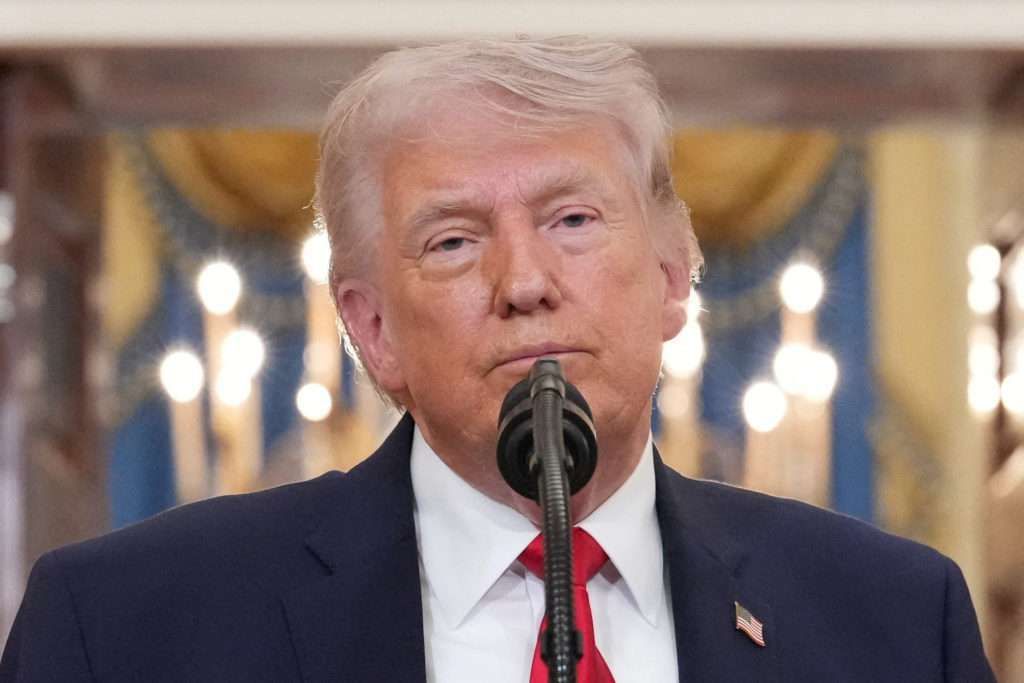
The cost of the United States’ military operations related to its conflict with Iran has risen to nearly $29bn, according to Pentagon officials, as the Trump administration faces growing political pressure over spending, strategy and the strain on US military readiness.
The updated figure was disclosed on Tuesday during congressional testimony in Washington, where defence officials were questioned over the administration’s latest $1.5tn 2027 defence budget request and the financial burden of ongoing operations in the Middle East.

Pentagon comptroller Jules Hurst III told lawmakers that the cost estimate had risen from around $25bn just weeks earlier, reflecting newly assessed expenses linked to equipment repairs, replacement of munitions and broader operational outlays.
“At the time of testimony… it was $25 billion,” Hurst said. “But the joint staff team and the comptroller team are constantly looking at that estimate, and so now we think it’s closer to $29.”
The revised figure underscores the scale of US military involvement following months of tensions and hostilities with Iran, as well as concerns about the long-term sustainability of American force deployments and weapons stocks.
The hearing also featured testimony from Defence Secretary Pete Hegseth and Joint Chiefs Chairman General Dan Caine, who were repeatedly pressed by lawmakers over transparency, strategy and the overall objectives of the campaign.
Democratic members of Congress criticised the administration for what they described as inconsistent reporting and insufficient clarity on both costs and outcomes.
“The question must be answered at the end: what have we accomplished and at what cost?” asked Rosa DeLauro, the top Democrat on the House Appropriations Committee, during the hearing.
Other lawmakers went further, accusing the Pentagon of underestimating the full economic and strategic impact of the conflict. Congresswoman Betty McCollum said there had been a “consistent lack of transparency” from the administration and demanded fuller disclosure before additional funding is approved.
The war has also renewed concerns about US military readiness, with reports suggesting that sustained missile defence operations and air strikes have significantly reduced stockpiles of advanced weaponry, including Patriot interceptors and Tomahawk cruise missiles.
Democratic Senator Mark Kelly warned over the weekend that replenishing such systems could take years, raising questions about the US military’s ability to respond to future crises.
Hegseth, however, rejected claims that American stockpiles were dangerously depleted.
“The munitions issue has been foolishly and unhelpfully overstated,” he said. “We know exactly what we have. We have plenty of what we need.”
He also declined to provide lawmakers with detailed estimates of damage to US assets in the region, despite Democratic lawmakers citing reports that Iran had struck more than 200 structures or pieces of equipment at military installations.
Senator Patty Murray said the Pentagon’s figures appeared “suspiciously low” given the extent of reported damage, arguing that Congress was not being given a complete financial picture of the conflict.
The hearings took place as a fragile ceasefire between Washington and Tehran showed signs of strain. President Donald Trump said on Monday that the truce was on “life support” after rejecting what he described as Iran’s latest peace proposal.
The administration has insisted that the military campaign remains justified, with Hegseth arguing that preventing Iran from acquiring nuclear weapons would ultimately save far greater costs and risks.
“The cost of Iran obtaining a nuclear weapon would dwarf anything we are talking about here,” he said during the testimony.
The Trump administration has repeatedly claimed that US air strikes last year “obliterated” key elements of Iran’s nuclear programme. However, intelligence assessments cited by lawmakers suggest Tehran remains several years away from developing an operational missile system capable of reaching the United States.
The conflict has also reignited debate in Congress over presidential war powers, with Democrats arguing that the administration has expanded military engagement without proper legislative approval. Several attempts to limit executive authority over the campaign have so far been blocked by Republicans.
The hearings marked one of the most detailed public examinations yet of the war’s financial and strategic consequences, with both House and Senate committees hearing evidence amid protests from anti-war demonstrators outside Capitol buildings.