Business
US enforces Iran port blockade, Trump threatens swift strike on ‘fast attack ships’
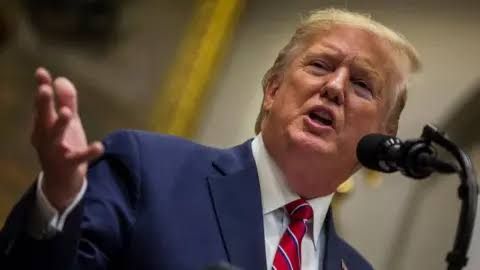
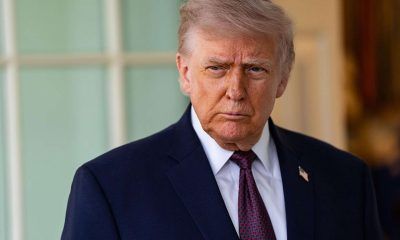
The United States has commenced enforcement of a naval blockade on Iranian ports, significantly raising tensions in the Gulf, as President Donald Trump warned that any attempt by Iranian vessels to breach the restriction would trigger immediate military action.
The blockade, which came into force at 10:00 ET (14:00 GMT), signals a sharp escalation in Washington’s posture towards Tehran following the collapse of recent diplomatic engagements aimed at de-escalating the crisis.
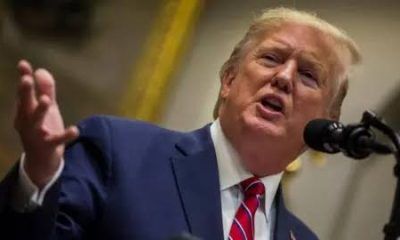
In a forceful statement posted on his Truth Social platform, Trump singled out Iran’s fleet of “fast attack ships,” cautioning that such vessels would be targeted if they approached US naval positions enforcing the blockade.
“They will be immediately eliminated,” the US president said, underscoring a zero-tolerance stance on any perceived threat to American forces or the blockade operation.
Trump further asserted that Iran’s conventional naval strength had already been severely weakened, claiming that key assets had been destroyed in earlier engagements, leaving only smaller, more agile boats as potential threats.
The latest development follows the breakdown of peace negotiations over the weekend, with Washington accusing Iran of refusing to abandon its nuclear programme, while Tehran countered that the US had continually altered its demands during the talks.
Iranian authorities have since maintained a defiant position, with parliamentary leaders insisting the country would not yield to external pressure or threats, though they have yet to directly respond to Trump’s latest remarks.
The imposition of the blockade has heightened concerns within the global maritime community. The UK Maritime Trade Operations has warned commercial vessels operating in the region to expect an increased military presence and possible boarding procedures as part of enforcement measures.
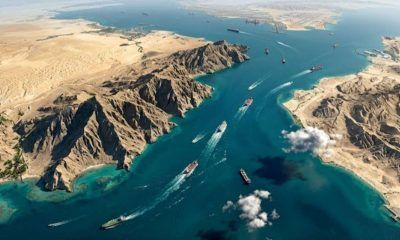
At the heart of the unfolding crisis is the Strait of Hormuz, a vital corridor for global oil shipments. Industry stakeholders have raised alarm over potential disruptions, with some shipping operators reportedly reconsidering routes amid rising security risks.
The situation has drawn widespread international attention, prompting renewed calls for diplomatic engagement. British Prime Minister Keir Starmer disclosed that dozens of countries are expected to participate in a forthcoming summit focused on stabilising the Strait of Hormuz and preventing further escalation.
While welcoming the fragile ceasefire between the US and Iran, Starmer stressed the need for broader regional stability, particularly in conflict-affected areas such as Lebanon.
The humanitarian consequences of the wider conflict continue to deepen. Authorities in Lebanon report that more than 2,000 people have been killed since early March, heightening fears that the crisis could expand beyond its current scope.
Amid the growing tensions, Pope Leo has renewed his appeal for peace, insisting he will continue to speak out against the war despite criticism from Washington. The pontiff has repeatedly called on global leaders to prioritise dialogue and de-escalation over military confrontation.