Politics
Tehran rejects nuclear arms ambition amid renewed Trump pressure
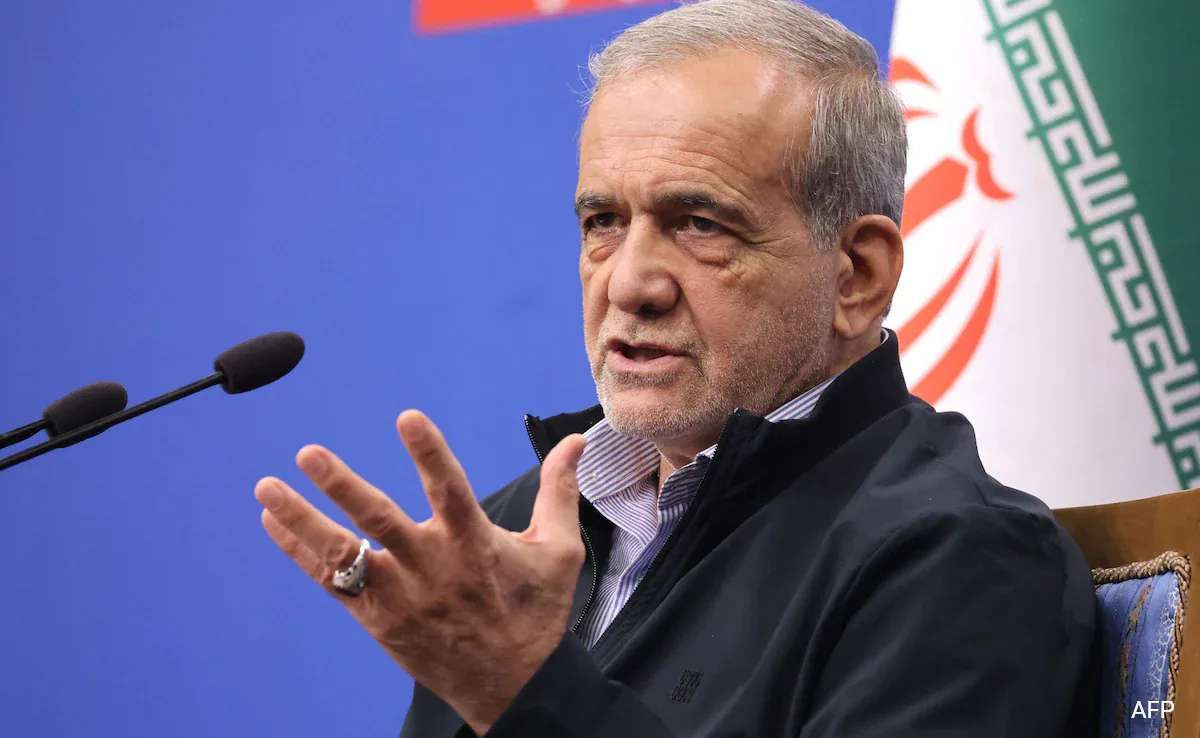
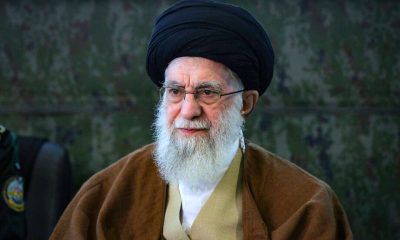
Iran has again insisted it has no intention of building nuclear weapons, pointing to a standing religious edict by Supreme Leader Ali Khamenei as proof of its commitment, even as pressure mounts from the United States ahead of renewed nuclear negotiations.
Speaking on Thursday, President Masoud Pezeshkian said Iran’s nuclear policy remains firmly rooted in a fatwa issued by Khamenei in the early 2000s, which forbids the production and use of nuclear arms under Islamic law.
“The Supreme Leader has banned nuclear weapons. When he says we will not pursue them, it means we will not pursue them,” Pezeshkian stated, according to Iranian state media. He added that a religious authority “cannot lie like politicians,” underscoring Tehran’s claim that its position is both doctrinal and binding.
The remarks come as Iran prepares for a third round of indirect talks with Washington over its nuclear programme. The United States has repeatedly accused Tehran of seeking the capability to develop nuclear weapons, an allegation Iranian officials continue to deny.
Tensions have remained elevated since President Donald Trump withdrew the United States from the 2015 nuclear agreement during his previous term in office and reimposed sweeping economic sanctions on Iran. The renewed diplomatic engagement is seen as an attempt to manage escalating mistrust and prevent further deterioration.
Mediation efforts are being led by Oman. The country’s foreign ministry confirmed that Foreign Minister Badr Albusaidi met with Iran’s Foreign Minister Abbas Araghchi in Geneva on Wednesday evening ahead of the indirect discussions between Tehran and Washington.
According to Omani officials, the meeting focused on reviewing recent developments and examining proposals Iran intends to present in pursuit of a negotiated framework on its nuclear activities. The proposals are reportedly aligned with principles discussed in earlier rounds of dialogue.
Albusaidi is expected to meet separately with members of the US negotiating team to communicate Iran’s positions and hear Washington’s counterproposals. Muscat has reiterated its commitment to facilitating dialogue aimed at achieving a durable and peaceful resolution to the standoff.
Even as diplomatic channels remain open, rhetoric from the United States has sharpened. Democratic Representative Greg Landsman suggested that targeted military action could be considered if diplomatic efforts collapse.
“If targeted, defensive strikes are necessary, and these strikes are successful, the prospect of war and further violence is diminished,” Landsman said, arguing that weakening Iran’s military infrastructure could reduce long-term instability.
He pointed specifically to ballistic missile systems, rocket infrastructure, weapons depots and nuclear facilities as potential targets should force become necessary to protect lives and deter escalation.