Politics
Mojtaba Khamenei son of Ali Khamenei takes over as Iran’s Supreme Leader
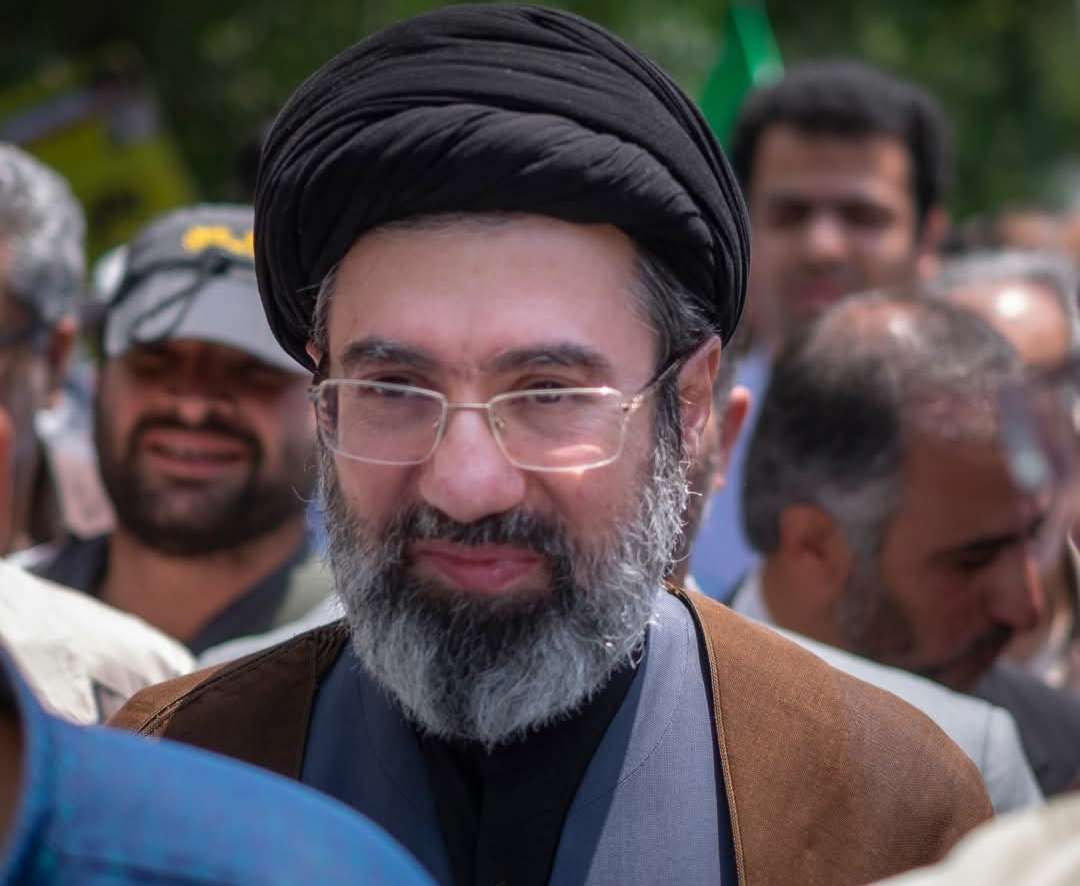
Iranian state media has announced that Mojtaba Khamenei has been appointed the new supreme leader of Iran, succeeding his father, Ali Khamenei, who was reportedly killed during the first wave of coordinated United States and Israeli strikes on Tehran.
The announcement was made by the Assembly of Experts, the powerful body responsible for selecting the country’s supreme leader. The statement, read on Iranian state television, said the council proceeded with the leadership selection despite the ongoing conflict and attacks on government facilities.

According to the statement, the assembly continued its deliberations even after its secretariat offices were bombed, resulting in the deaths of several staff members and security personnel.
“Despite the acute wartime conditions and direct threats from enemies against this institution, the process of selecting and introducing the leadership of the Islamic system did not pause even for a moment,” the statement said.
Shortly after the announcement, the television presenter declared: “Allahu Akbar, Allahu Akbar, Khamenei is the leader.”
The succession comes amid a rapidly escalating regional war involving Iran, Israel and the United States. The elder Khamenei was reportedly killed during a major wave of airstrikes targeting key military and political sites in Tehran.
The wider conflict has already resulted in mounting casualties across the region. The United States Central Command confirmed that a seventh US service member has died from injuries sustained during Iran’s initial retaliatory attacks across the Middle East last week.
In Lebanon, the death toll from Israeli strikes has climbed to nearly 400, according to the country’s health minister. Hospitals in southern areas reportedly received multiple casualties early Sunday following airstrikes on villages in the region.
Residents in Tehran have also described scenes of destruction after oil depots were hit during intense aerial bombardment overnight. Thick black smoke was seen rising above parts of the capital as fires burned at fuel facilities.
One resident described the aftermath of the strikes as overwhelming.
“You can smell the burning,” she said, referring to the fires that spread across parts of the city after the attacks.
The conflict has also spread beyond Iran and Lebanon. Authorities in Saudi Arabia confirmed that two people were killed after a projectile struck a residential neighbourhood, highlighting fears that the confrontation could broaden further across the region.
A powerful but discreet figure
Born in 1969 in Mashhad, Mojtaba Khamenei is the second son of the late supreme leader and one of six children in the family.
He attended the Alavi School in Tehran before later moving to Qom to pursue advanced religious studies.
Unlike many senior figures in Iran’s political system, Mojtaba Khamenei has never held a formal government position and has largely remained out of the public spotlight. He rarely gives speeches and very few photographs or videos of him have been published.
Despite this low profile, analysts and diplomats have long described him as an influential figure within Iran’s political establishment.
He has been widely believed to maintain close ties with the Islamic Revolutionary Guard Corps and the Basij militia, while critics have accused him of playing a behind-the-scenes role in key political decisions, including presidential elections.
In 2019, the United States imposed sanctions on him as part of a group accused of acting on behalf of the supreme leader.
His appointment may further heighten tensions with Western powers. US President Donald Trump has previously warned against Mojtaba Khamenei assuming the leadership role.
“Khamenei’s son is unacceptable to me,” Trump said earlier this week, suggesting that any successor chosen without Washington’s approval would face significant opposition.
Israel has also warned that it would continue targeting figures linked to Iran’s leadership, raising concerns that the conflict could intensify further as the new supreme leader takes office.