Politics
Presidency tackles El-Rufai, alleges plot to inflame polity over personal battles
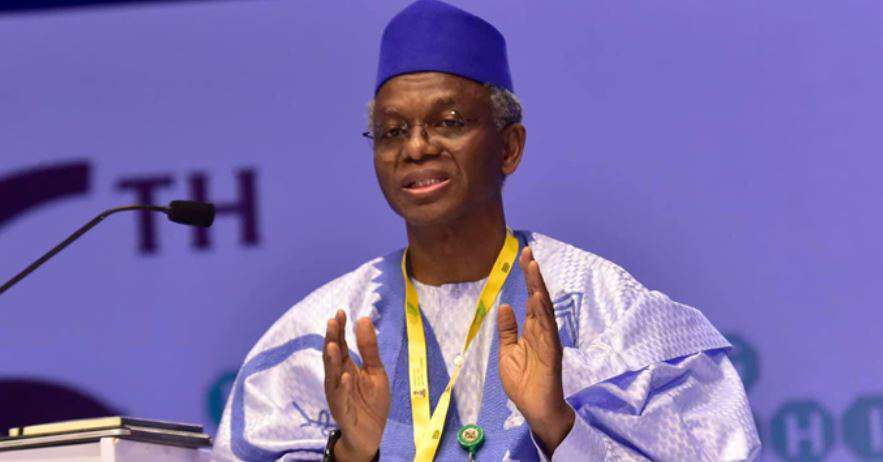
The Presidency has alleged that former Kaduna State governor, Nasir El-Rufai, is deliberately stoking political tension in the country in a bid to distract from alleged corruption issues in his home state.
In a statement released on Monday, the Special Adviser to the President on Information and Strategy, Bayo Onanuga, said El-Rufai’s recent attacks on the Federal Government were calculated attempts to destabilise the polity and recast himself as a victim of persecution.
According to the Presidency, the former governor’s public interventions are driven by two objectives: to inflame public sentiment against the current administration and to divert attention from what it described as “serious domestic challenges” arising from his tenure in Kaduna State.
“The truth is: Mallam El-Rufai has two clear intentions behind his recent actions and tantrums,” Onanuga said.
“First, to create political tension in the country, stir fear and unrest, and damage the government through deliberate misinformation. Second, to shift attention from his domestic problems in Kaduna State, where he is facing massive corruption allegations.”
The Presidency maintained that El-Rufai’s criticisms are not rooted in democratic advocacy but in what it termed “personal survival instincts” amid mounting scrutiny over his record in office.
It further accused him of attempting to elevate state-level legal and political issues to the national stage in order to win public sympathy.
“To draw attention to himself and project himself as a victim of persecution, he wants to nationalise his personal problems with his home state government, knowing that Nigerians will not support him over corruption charges,” the statement added.
El-Rufai, a former minister and once a close ally of the present administration, has recently raised concerns about governance, national security and the country’s political trajectory.
Reports indicate that he wrote to the Office of the National Security Adviser (ONSA), headed by Nuhu Ribadu, seeking clarification over the alleged procurement of thallium sulphate, a highly toxic chemical substance.
In a letter dated January 30, 2026, and acknowledged by ONSA on February 11, 2026, El-Rufai said he was acting “as a concerned citizen” in requesting details about what he described as the acquisition of approximately 10 kilograms of thallium sulphate from a supplier in Poland.
Thallium sulphate is a colourless, odourless and tasteless crystalline compound historically used as a rodenticide and insecticide. Owing to its extreme toxicity — with a fatal dose estimated at between 8 and 12 milligrams per kilogram of body weight — the substance is heavily restricted or banned in many jurisdictions. It interferes with the body’s potassium balance and can cause severe neurological damage, hair loss and death.
In his letter, titled “Request for Clarification on the Procurement of Thallium Sulphate,” El-Rufai asked for details regarding the intended use of the chemical, the supplier’s identity, regulatory approvals, storage arrangements and coordination with relevant agencies such as NAFDAC and the NCDC.
“Given that thallium salts are highly toxic and tightly controlled substances, I believe it is important – for public safety, democratic accountability and maintaining public trust – to confirm the following details,” he wrote.
However, the Office of the National Security Adviser has challenged the former governor to substantiate his claims, insisting that serious allegations of this nature must be backed by credible evidence.
The Presidency reiterated that attempts to politicise security matters or spread unverified claims could undermine national stability and public confidence.