Politics
Peter Obi’s no-show at ADC emergency meeting deepens opposition tensions
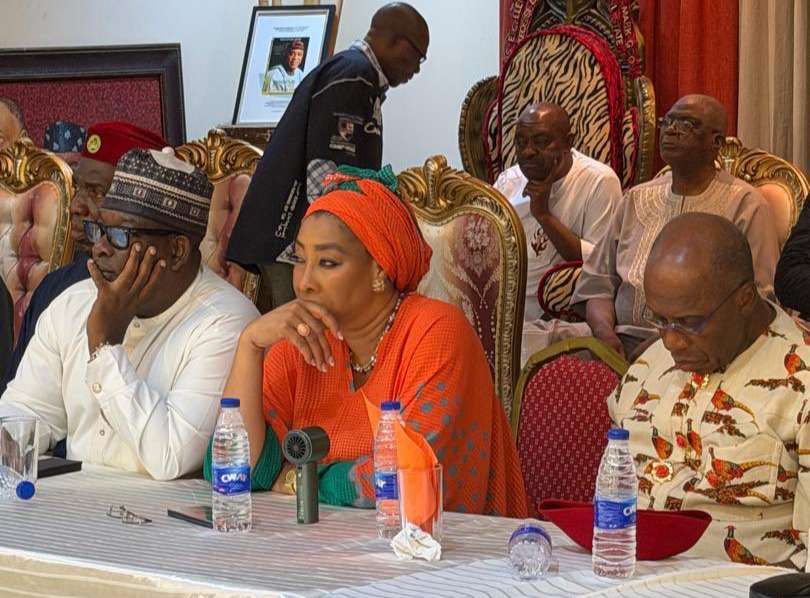
Tension has intensified within Nigeria’s opposition coalition following the absence of former presidential candidate Peter Obi from an emergency meeting of the African Democratic Congress (ADC) coalition held in Abuja on Wednesday night, a development that has sparked renewed debate over unity within the bloc ahead of the 2027 general elections.
The meeting, convened to address leadership disputes and mounting legal challenges affecting the party’s structure, brought together several top political actors, including former Vice President Atiku Abubakar, former Minister of Transportation Rotimi Amaechi, former Interior Minister, Rauf Aregbesola and former Governor of Sokoto State Aminu Tambuwal.

Obi’s absence quickly became a focal point of political discussions and online reactions, with supporters and critics offering divergent views on its significance. His allies pointed out that former Kano State Governor Rabiu Kwankwaso was also not present at the emergency session, arguing that speculation around Obi alone was unfair and politically motivated.
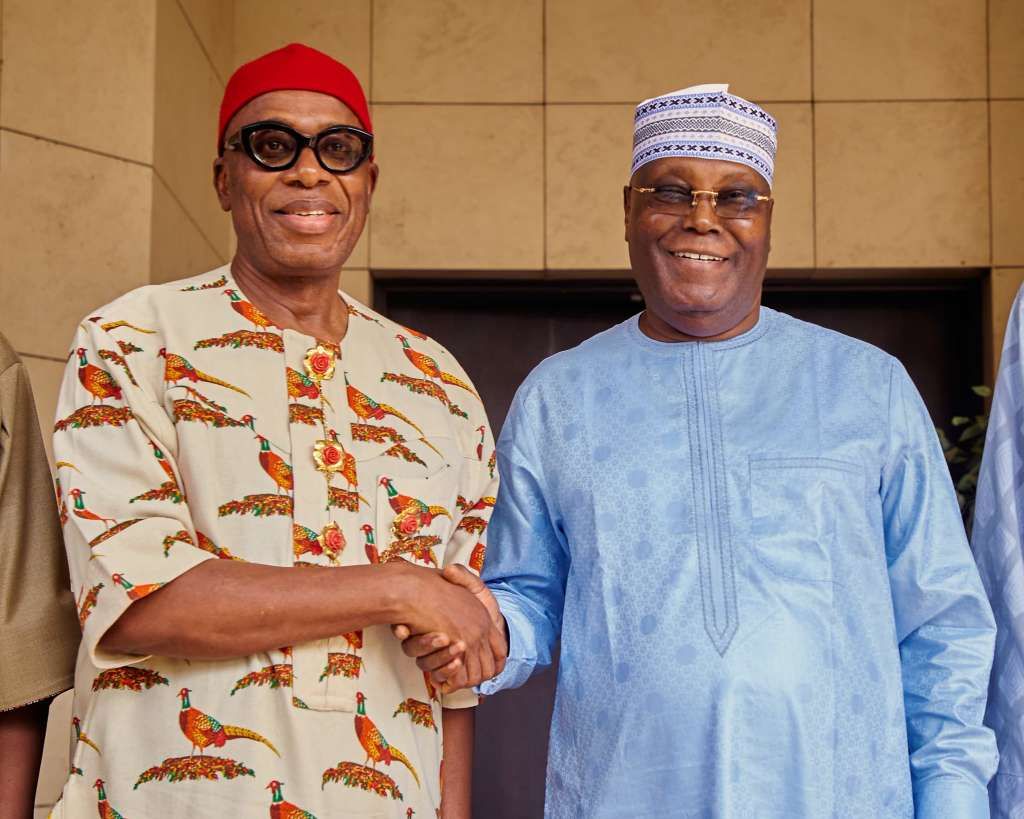
Atiku Abubakar and Rotimi Amaechi
The emergency meeting was reportedly aimed at reviewing internal crises within the ADC coalition, particularly leadership disputes and ongoing court cases that could affect the party’s eligibility and structure ahead of the 2027 elections. The coalition currently serves as a loose alliance of prominent opposition figures, including Obi, Kwankwaso, Atiku, and Amaechi, but has been struggling with disagreements over zoning, leadership hierarchy, and presidential ambition.
The absence of Obi and Kwankwaso has further fuelled speculation about possible political realignments, especially as reports suggest growing conversations around alternative platforms ahead of the next election cycle.
This comes amid renewed interest in the Nigeria Democratic Congress (NDC), which has been actively courting both Obi and Kwankwaso for a potential defection. The party recently intensified its outreach, offering its presidential ticket within a short timeframe as it seeks to reposition ahead of the 2027 elections.
The NDC’s message, widely shared on social media, read: “All we need right now. Just all we need. Two weeks to the deadline,” alongside an image depicting Obi and Kwankwaso shaking hands with the caption “Nigeria will be OK.” The development has further fuelled speculation of a possible joint political arrangement between the two opposition figures.
Meanwhile, online reactions to Obi’s absence at the ADC meeting were sharply divided. Some supporters of former Vice President Atiku questioned his commitment to coalition efforts. Ogbuagu (@Tony_Ogbuagu) wrote: “Mr Peter Obi should come out and tell us why he was absent in this all important meeting last night.”
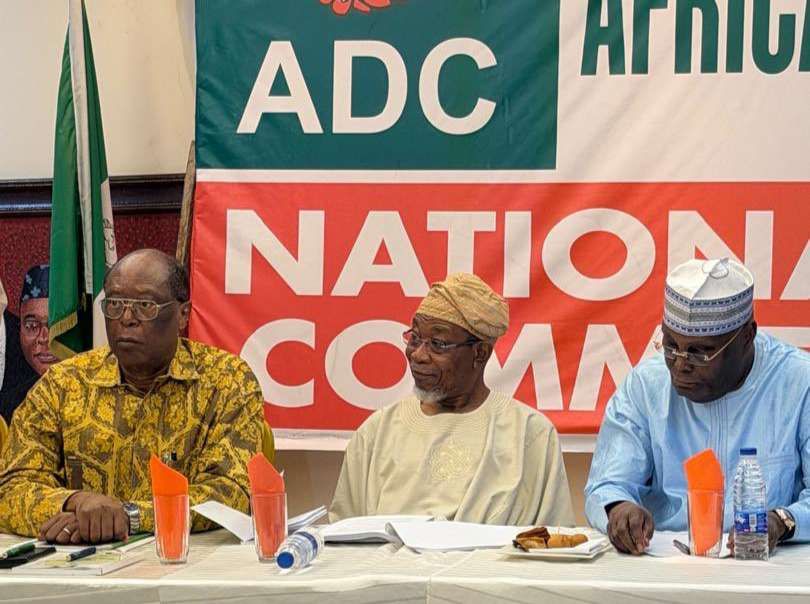
L-R: Oserheimen Osunbor, Rauf Aregbesola and Atiku Abubakar
Rilwan (@rilwan_ola01) also criticised Obi, arguing that his actions suggested prioritisation of personal ambition over collective goals, stating that he should not have been allowed into the coalition if unity was not guaranteed.
However, Obi’s supporters dismissed the criticism, insisting that the controversy was exaggerated. Ọmọọba Adélẹyẹ (@BlazeRegent) questioned whether Obi was properly informed about the meeting, while Emeodi Mba (@EmodiMba) argued that attention on Obi alone reflected bias, noting that broader coalition issues were being ignored.
Other commentators interpreted the situation differently, suggesting that the internal rift within the coalition could undermine its electoral strength. Dr. El Mo PsyD (@Drelmoatiku) argued that Obi’s absence reflected deeper ambition-driven divisions that could affect the opposition’s chances in 2027.
The ADC coalition is already grappling with leadership disputes and pending court decisions expected to determine control of its structure. These legal challenges are seen as critical to the party’s ability to field candidates in the next general elections.
Adding to the uncertainty is a pending Supreme Court ruling on the party’s leadership tussle, which analysts say could reshape the coalition’s internal hierarchy and influence its political direction.
The apex court is billed to decide on the matter later today, Thursday.
At the same time, electoral deadlines set by the Independent National Electoral Commission (INEC) are placing additional pressure on opposition parties to resolve internal disputes and complete primaries within strict timelines.
Amid these developments, speculation continues to grow that Obi and Kwankwaso may be exploring a joint political arrangement under a different platform, with the NDC emerging as a possible destination as opposition realignment gathers momentum.