Business
Obi questions new ₦3.3tn power sector debt settlement, demands accountability
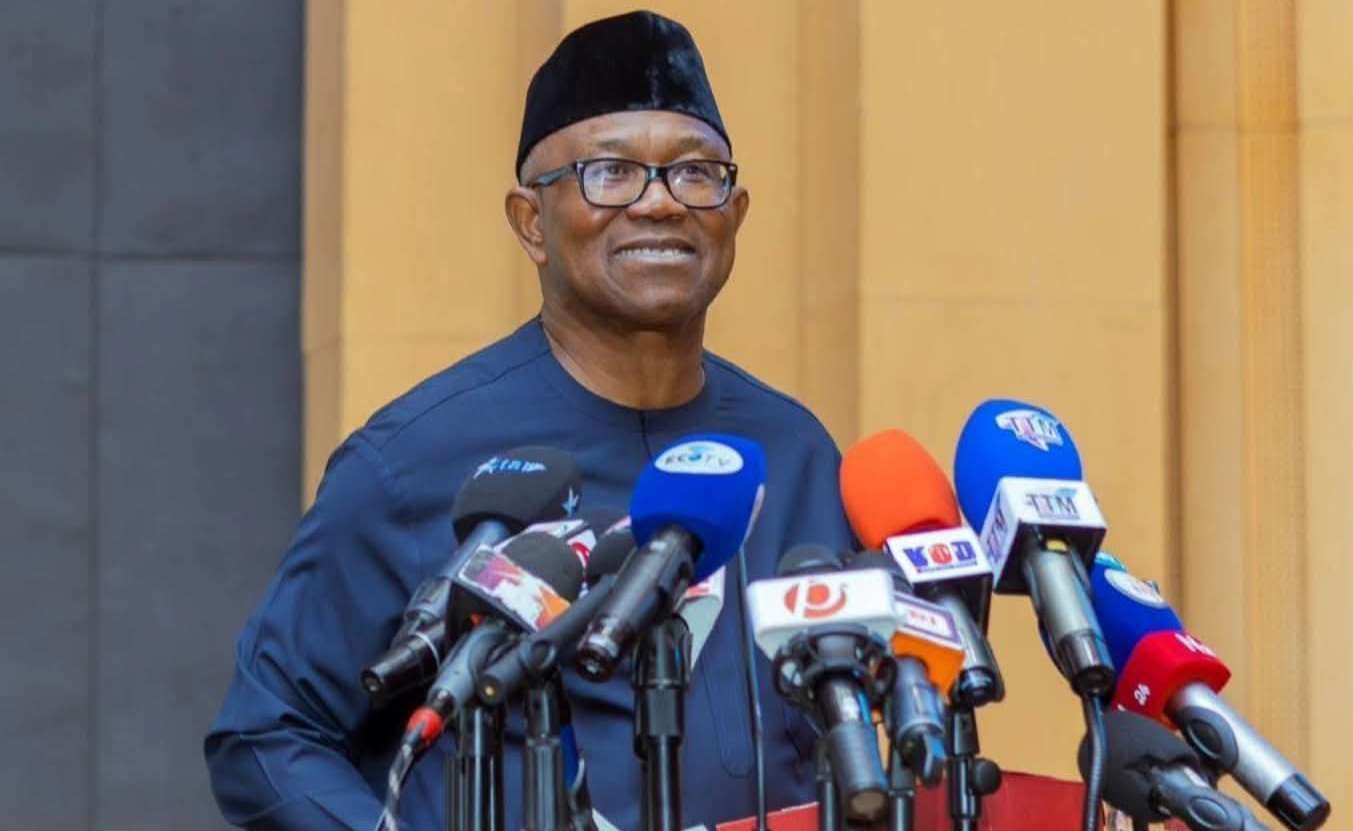
Former Labour Party presidential candidate, Peter Obi, has questioned the Federal Government’s latest approval of ₦3.3 trillion to settle debts in Nigeria’s power sector, raising concerns about transparency and the impact of previous financial interventions in the industry.
Obi’s comments come amid growing debate over the government’s announcement of a plan to clear legacy liabilities in the power sector.
Business Hallmark had earlier reported that President Bola Tinubu approved a plan to settle ₦3.3 trillion in outstanding debts under the Presidential Power Sector Financial Reforms Programme.
According to the President’s Special Adviser on Information and Strategy, Bayo Onanuga, the repayment plan followed a review of liabilities accumulated in the sector between February 2015 and March 2025. He said the figure was agreed upon as a “full and final settlement” intended to stabilise electricity generation, strengthen the power value chain and attract further investment.
Onanuga also disclosed that 15 power plants had already signed settlement agreements valued at about ₦2.3 trillion, while the Federal Government had raised approximately ₦501 billion to fund the initiative. Of that amount, ₦223 billion has reportedly been disbursed, with further payments ongoing.
However, the announcement has stirred controversy after many Nigerians recalled that a similar ₦3.3 trillion debt settlement had been announced in May 2024 by the Minister of Power, Adebayo Adelabu, prompting questions about whether the latest approval represents a new initiative or a continuation of the earlier arrangement.
Reacting in a post on his official X handle on Tuesday, Obi said the repeated approvals raise serious questions about fiscal discipline and accountability in the management of the power sector.
“Let us reflect, sincerely and without sentiment,” Obi wrote.
He noted that the Federal Government had approved ₦3.3 trillion on May 17, 2024, to address similar liabilities, and later sanctioned a ₦4 trillion bond on July 25, 2024, for power sector obligations.
“This raises a fundamental question: were the previous approvals mere announcements without execution?” he asked.
Obi expressed concern that electricity supply has not improved significantly despite the large financial commitments made to the sector.
He recalled that President Bola Tinubu had pledged during the 2023 presidential campaign that Nigerians should not re-elect him if he failed to deliver stable power.
“Today, the reality is that power supply has worsened,” Obi said, citing reports that even the Presidential Villa could face disconnection from the national grid due to unpaid electricity bills.
The former Anambra State governor criticised what he described as a pattern of policy pronouncements without measurable outcomes.
“Each time legitimate concerns are raised, what we see appears more like policy pronouncements than measurable progress,” he said.
Obi further linked the rising debts in the power sector to successive administrations of the All Progressives Congress between 2015 and 2025, saying the situation raises serious questions about transparency and effectiveness in public financial management.
He also queried why government institutions, including the Presidential Villa, had not settled their electricity obligations despite annual budgetary allocations.
“Year after year, budgets were made and funds appropriated. Why then were these obligations not settled when due?” he asked.
The former governor also demanded clarity on several issues surrounding the sector’s mounting debts, including how the liabilities accumulated, the total amount owed, and what portion should be attributed to inefficiencies by operators.
Obi additionally asked whether the ₦3.3 trillion approval announced on April 6, 2026, was the same as the one earlier approved in May 2024, and how it relates to the ₦4 trillion bond approved in July of the same year.
He called on the Federal Government to move beyond repeated announcements and implement meaningful reforms to address the country’s long-standing electricity challenges.
“Nigeria must move beyond recycled announcements and confront the power sector crisis with sincerity, transparency, and decisive reforms,” he said.
Obi warned that without sustained accountability and structural reforms, Nigeria could remain trapped in a cycle of rising debts and persistent power shortages.
“Until we do so, we will remain trapped in a cycle of debt and darkness,” he added.