
Business
CBN retains interest rate at 26.5% as inflation pressure persists
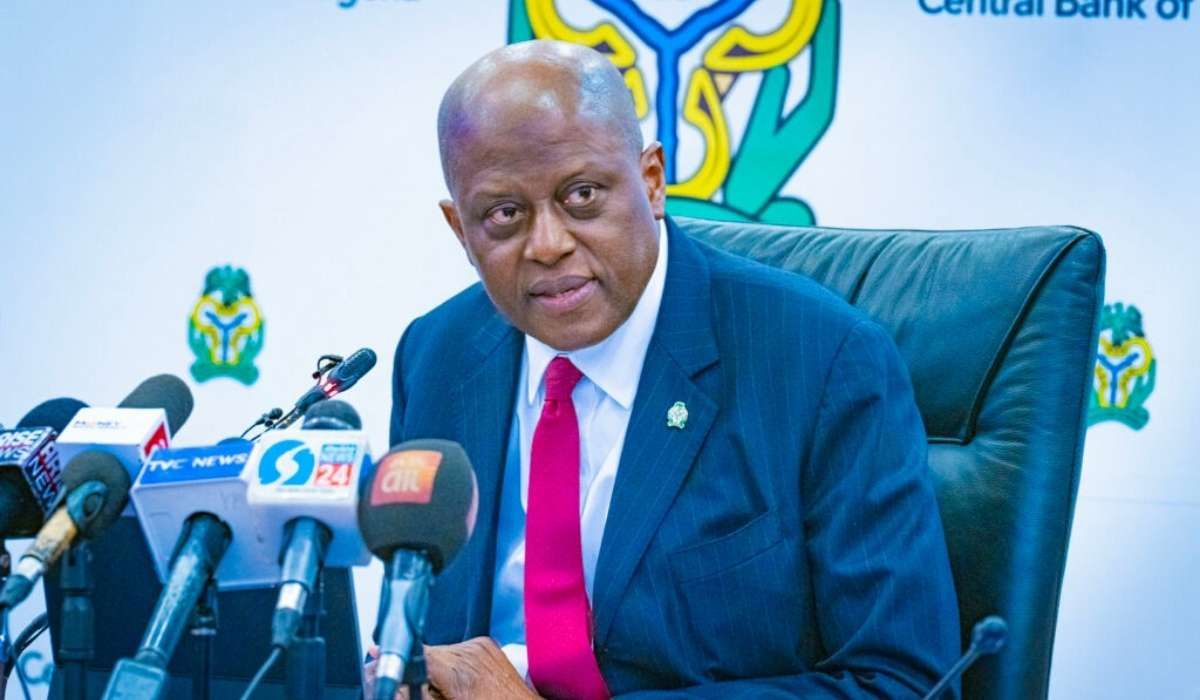
The Central Bank of Nigeria (CBN) has retained the country’s benchmark interest rate at 26.5 per cent as monetary authorities moved to contain inflationary pressures and shield the economy from external shocks.
The decision was announced on Wednesday by the CBN Governor, Olayemi Cardoso, at the end of the Monetary Policy Committee’s 305th meeting held in Abuja from May 19 to 20.
Cardoso said the committee unanimously agreed to retain the Monetary Policy Rate (MPR) at 26.5 per cent despite mounting concerns over rising inflation.
“The Committee’s decision is as follows: retain the monetary policy rate at 26.5 per cent,” he stated.
The latest decision comes months after the apex bank cut the benchmark rate by 50 basis points in February 2026 from 27 per cent, ending a prolonged tightening cycle that had been maintained since November 2025.
Explaining the rationale behind the decision, Cardoso said the MPC carefully assessed prevailing economic risks, noting that inflation had risen for two consecutive months largely due to external developments.
“The decisions of the MPC were anchored on a comprehensive assessment of risks to the outlook. Although inflation has risen marginally for two consecutive months, largely induced by external shocks, the MPC recognises its transitory nature and remains confident that the current macroeconomic environment is sufficiently robust to support a return to disinflation,” he said.
The committee also adjusted the asymmetric corridor around the MPR to +50/-450 basis points, a move aimed at discouraging commercial banks from parking excess liquidity with the apex bank while encouraging increased lending to the real sector.
In addition, the MPC retained the Cash Reserve Ratio for commercial banks at 45 per cent and kept the ratio for merchant banks unchanged at 16 per cent.
The committee also maintained the Cash Reserve Ratio on non-Treasury Single Account public sector deposits at 75 per cent for liquidity management purposes.
The decision followed a fresh increase in Nigeria’s inflation rate, according to the latest Consumer Price Index report released by the National Bureau of Statistics.
The NBS reported that headline inflation rose to 15.69 per cent in April 2026 from 15.38 per cent recorded in March, representing a 0.31 percentage point increase. Inflation had earlier stood at 15.06 per cent in February.
Analysts have linked the renewed inflationary trend to rising fuel prices and global geopolitical tensions involving the United States, Israel and Iran, which have disrupted crude oil shipments through the Strait of Hormuz, a key global oil transit route.
The rising energy costs have continued to impact transportation, food supply chains and the prices of goods and services across Nigeria.
The MPC’s decision also came amid calls by economic experts and private sector groups urging the apex bank to avoid further monetary tightening in order not to slow economic growth and private sector expansion.
Despite the inflationary pressure, the CBN maintained that the current policy stance remains necessary to sustain macroeconomic stability and guide inflation back toward a downward trajectory.