Health
Failed engagement with Ikpeazu gave birth to U.S.-based Nigerian mental health group – Ngwadom

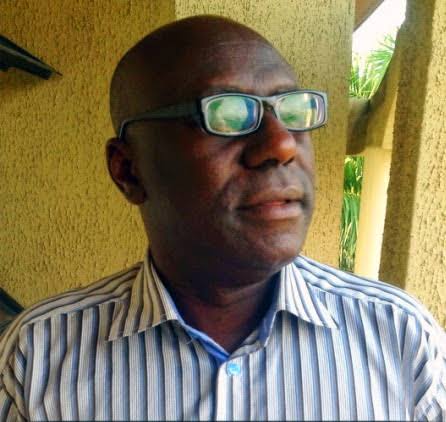
A United States-based group of Nigerian health professionals has traced the origin of its formation to a failed 2017 engagement with former Abia State Governor, Okezie Victor Ikpeazu, describing the experience as the catalyst that birthed a structured diaspora-driven mental health intervention for Nigeria.
In a statement by Prof. Ekelekamchukwu Alphonsus Ngwadom, the Nigerian Mental Health Practitioners USA Inc. said the organization emerged from a shared desire among diaspora professionals to strengthen mental healthcare delivery in Nigeria, particularly through integration into the country’s primary healthcare system.
According to Ngwadom, the initiative began after Ikpeazu, during a 2017 visit to North Carolina for the annual convention of the Ngwa National Association in the USA, indicated that his administration required support to develop mental health services in Abia State. The governor had reportedly campaigned on improving mental health infrastructure.
Ngwadom said he was contacted by a member of the association regarding the governor’s request and subsequently met with Ikpeazu and his then-personal physician and Diaspora Affairs adviser, Dr. Michael Enyinna. An agreement was reached for an assessment visit to Nigeria to begin preliminary work. However, the proposed collaboration stalled due to what he described as the state government’s failure to follow through on logistics and mobilization.
Unbeknownst to Ngwadom at the time, another diaspora professional, Dr. Azubike Aliche, had independently submitted a proposal to the Abia State Government and also met with Enyinna, but without tangible results. The two later connected and resolved to establish a non-governmental organization to support mental health services in Nigeria.
The Nigerian Mental Health Practitioners USA Inc. was formally registered in 2018 with a small founding membership that included Dr. Harrison Igwe Sr., Dr. Francisca Nzeke, Dr. Francisca Mgbodile, Dr. Jane Akponye and Ada Nwankudu, among others. The organization held its first fundraiser virtually in March 2021 amid the COVID-19 pandemic. The late Dr. Cyril Nwaguru served as its first Board Chairman.
Ngwadom said the group comprises psychotherapists, social workers, nurses, nurse practitioners, licensed professional counselors and psychiatrists. Over time, its membership has expanded to include professionals across various states in the U.S.
In 2022, the group registered its Nigerian affiliate, the Nigeria-American Institute for Mental Health (NAIMH), with the Corporate Affairs Commission. The institute was formally launched on April 13, 2024, with former Minister of Power, Bath Nnaji, serving as chairman of the occasion through his representative, Mr. C. Don Adinuba, a former Anambra State Commissioner for Information.
NAIMH currently maintains its head office in Abuja, with plans underway to relocate its headquarters to Enugu to focus on programmes in Nigeria’s South-East region.
Ngwadom disclosed that the organization has begun training primary healthcare workers in mental health competencies as part of efforts to integrate mental healthcare into community-based services. In May 2025, about 36 health workers were trained in Owerri, Imo State. Similar programmes are planned for Anambra, Abia, Enugu, Ebonyi, Kaduna, Zamfara, Kebbi and Kogi states, as well as within Nigeria’s military establishment.
The group is also pursuing institutional partnerships, including collaboration efforts with Godfrey Okoye University, Enugu. It has secured a parcel of land in Emene, Enugu, through a partnership with Umuada Igbo Nigeria and the Diaspora, for future development projects. It also partnered with the North Carolina chapter of the Nigerian Nurses Association in North America during NAIMH’s launch.
Ngwadom further revealed that the organization participated in advocacy efforts that contributed to the passage of Nigeria’s Mental Health Act, signed into law in 2023 by former President Muhammadu Buhari.
He noted that while Nigerians with physical ailments typically seek hospital care, many individuals with mental health conditions often turn to prayer houses or traditional healers due to stigma and limited access to professional services.
The Nigerian Mental Health Practitioners USA Inc., he said, remains committed to bridging that gap through training, advocacy and system-level reform aimed at expanding access to quality mental healthcare across Nigeria.