Business
Sterling Bank engages public, private sectors to boost investment in tourism
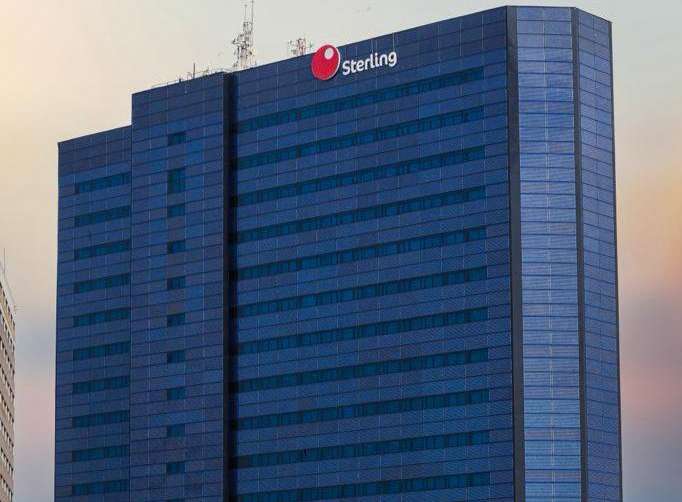
Sterling Bank Limited has gathered senior government officials, regulators, investors, hospitality operators, creatives and traditional leaders in Lagos to drive coordinated action aimed at unlocking sustainable investment and long-term growth in Nigeria’s tourism and creative economy.
According to the bank, the aim of the meeting is to position the tourism sector as a strategic pillar of economic diversification and job creation.
The stakeholder engagement brought together public and private sector leaders to examine practical pathways for converting rising global interest in Nigerian culture, entertainment and destinations into structured, year-round economic value.
Discussions centred on aligning policy direction, capital formation, infrastructure development and enterprise support to strengthen the tourism and creative value chain.
The Managing Director and Chief Executive Officer of Sterling Bank, Abubakar Suleiman, described tourism and the creative economy as significant drivers of employment, foreign exchange earnings and inclusive growth.
He said unlocking the sector’s potential would require deliberate collaboration among policymakers, financiers, operators and cultural institutions, supported by aligned financing mechanisms, regulatory clarity, infrastructure investment and talent development.
The Minister of Arts, Culture, Tourism and the Creative Economy, Hannatu Musa Musawa, outlined the Federal Government’s strategic priorities and reaffirmed its commitment to partnership-driven growth. She emphasized innovative financing structures, stronger value chains and structured public-private collaboration to unlock investment into tourism assets and creative enterprises, noting the critical role of financial institutions in mobilizing capital for scalable industry development.
Also speaking, the Special Adviser to President Bola Tinubu on Tourism, Arts and the Creative Economy, Moriam Ajaga, highlighted the administration’s focus on policy coherence and improved access to finance under the Renewed Hope Agenda.
She called for sustained institutional dialogue to ensure policy reforms translate into investable opportunities and measurable outcomes.
The Office of the Special Assistant to the President on Art, Culture, Tourism and the Creative Economy, led by Ayomide Adeagbo, described the forum as a platform for aligning regulatory direction with private capital and creative entrepreneurship.
Opening the session, Sterling Bank’s Head of Tourism and Creative Arts, Abiola Adelana, underscored the need for sector-specific financial solutions tailored to the revenue cycles and asset structures of tourism operators, hospitality investors and creative entrepreneurs. She noted that financial instruments must balance commercial sustainability with developmental impact.
Traditional leadership perspectives were also represented by the Oniru of Iru Land, Abdulwasiu Omogbolahan Lawal, who called for closer collaboration between custodians of cultural heritage, government authorities and private investors to preserve and responsibly commercialize Nigeria’s historical assets. He stressed that tourism expansion must be anchored in sustainable stewardship.
The engagement also referenced structured partnerships between financial institutions and creative enterprises, including Sterling Bank’s collaboration with Dapo Oyebanjo through the C.R.E.A.M. Foundation. The initiative was highlighted as an example of how formal financial systems can strengthen monetization pathways, deepen financial inclusion and support scalable business models within the entertainment industry.
Stakeholders agreed that unlocking Nigeria’s tourism and creative potential will require regulatory predictability, improved access to long-term capital, enhanced infrastructure quality and consistent destination branding. While global demand for Nigerian cultural experiences continues to rise, participants noted that sustained competitiveness depends on coordinated execution and measurable investment outcomes.
Sterling Bank reiterated its commitment to supporting priority sectors with strong multiplier effects on employment and economic diversification. The lender emphasized that its engagement in tourism and the creative economy aligns with its broader strategy of sector- focused financing, digital innovation, and sustainable development.