
Nation
New study warns of rising online gender-based violence across Africa
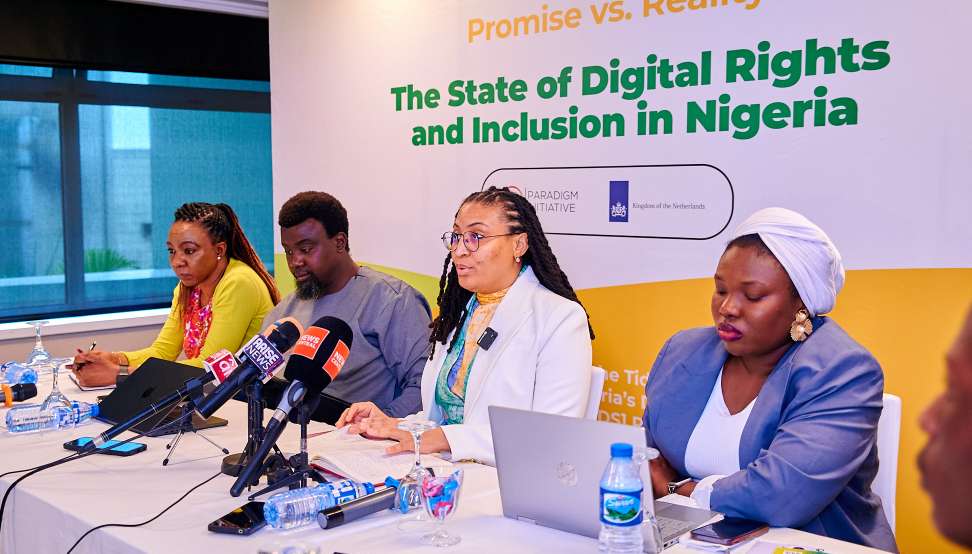
A new research report by Paradigm Initiative (PIN) has revealed a sharp rise in technology-facilitated gender-based violence (TFGBV) across Africa, with 67% of respondents saying they had suffered one or multiple forms of digital abuse.
The study, released on Thursday to mark International Human Rights Day, examined online safety trends in Cameroon, Kenya, Nigeria, Senegal, Zambia and Zimbabwe. It found that weak accountability systems, unsafe online platforms and limited institutional responses are fuelling a rapidly worsening crisis.
According to PIN, the research was designed to fill major gaps in understanding how survivors experience and navigate digital violence. The organisation said it adopted a survivor-centred approach that prioritised victims’ voices, enabling researchers to uncover the emotional, social and systemic dimensions of TFGBV that traditional reporting often overlooks.
The findings show that young people aged 18 to 34 are the most affected, while Facebook, WhatsApp and X (formerly Twitter) remain the platforms where most incidents occur. The report describes these mainstream social media spaces as “structurally unsafe” for vulnerable users, particularly women, activists and advocates.
“Victims’ experiences range from sexual harassment, threats and misogynistic attacks to severe violations such as stalking, non-consensual image sharing, hacking, sextortion and identity-based harassment,” the report notes. “Personal testimonies reveal profound emotional, psychological and reputational harm.”
The study also found that many survivors avoid seeking help from formal institutions such as the police, employers or public agencies due to mistrust, fear or expectations of inaction. This underreporting, PIN argues, has allowed harmful behaviour to flourish unchecked.
Despite these challenges, the report highlights survivors’ resilience and their determination to create safer digital environments.
Calling for urgent reforms, PIN said governments, tech companies and public institutions must strengthen protections on digital platforms and close systemic gaps that compromise the safety of millions of users.
It added that making online spaces safer is essential to advancing democratic participation, media pluralism, digital inclusion and gender equality across the continent, aligning with this year’s Human Rights Day theme, “Human Rights, our everyday essentials.”