Entertainment
Lagos vendors hike prices astronomically during detty December
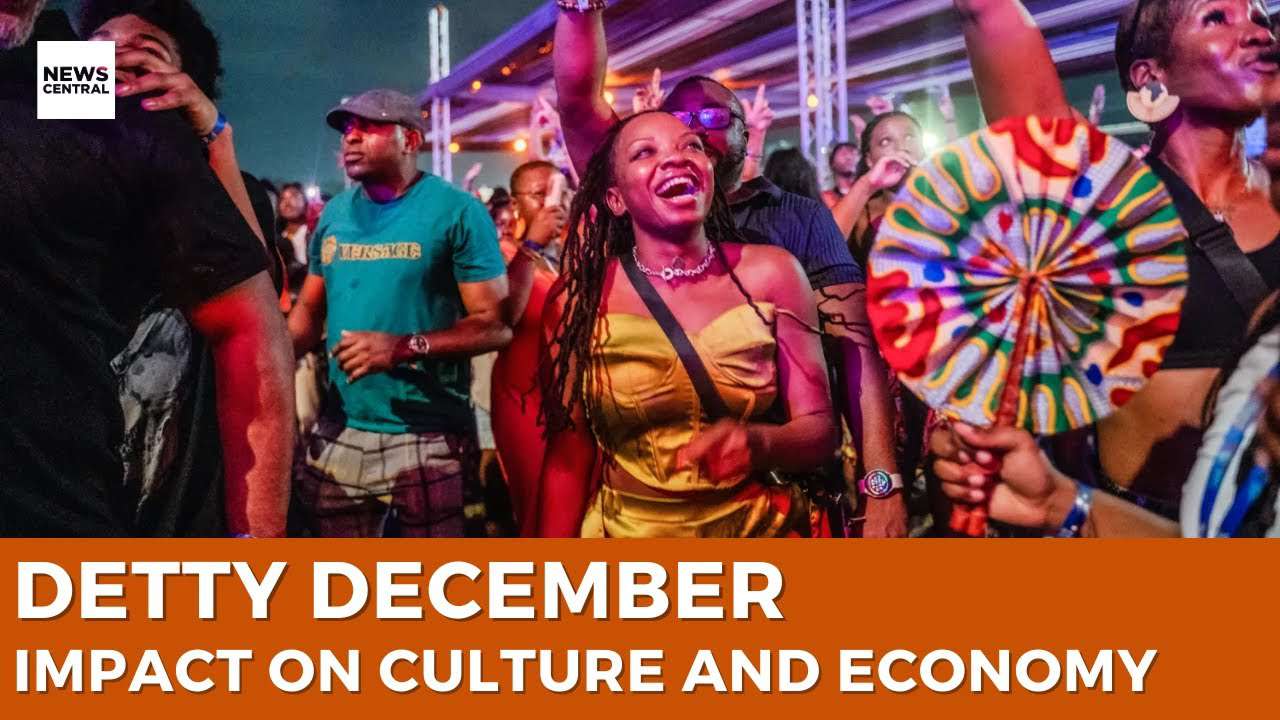
Detty December, the vibrant end-of-year festivities that transform Lagos into a hub of raves, concerts, and cultural indulgence, has become synonymous with economic opportunity and excess.
Coined from “detty,” a slang for “dirty” or uninhibited fun, this season draws thousands of returnees from the diaspora, known as IJGBs (I Just Got Backs), alongside remote workers attending corporate parties and tourists seeking the energy of Nigeria’s commercial capital. However, this influx has led to unchecked price hikes across sectors, inflating costs not just for visitors but also for local residents, raising questions about sustainability and fairness in the marketplace.
Hospitality Sector’s Exploitative Pricing
In the hospitality sector, hoteliers and serviced apartment hosts, including Airbnb managers, have adopted aggressive pricing strategies that border on exploitation. Many decline advance bookings made a month ahead, citing uncertainty over December market rates, compelling guests to seek less desirable alternatives. These alternatives often lack luxury features like LED lighting, plaster-of-Paris ceilings, and tarred compounds, yet they remain the only affordable options for budget-conscious locals.
More alarmingly, some hosts exhibit outright hostility by evicting confirmed guests upon receiving higher offers from others. This practice, which can be termed “bidder eviction,” contravenes natural principles of justice and honesty, where contracts should be honored as binding commitments rooted in mutual trust and ethical dealings. Such actions portray Nigerian service providers as unreliable opportunists, driven by greed rather than sustainable business ethics.
Reality TV star and frequent X user Leo DaSilva highlighted this issue in two notable posts on the platform. In one instance, he decried an apartment listed at over N700,000 per night, questioning the sanity of such pricing. In another, he pointed out a “just okay” place in Victoria Island or Ikoyi demanding over $9,000 for 11 nights, equivalent to approximately N14 million at current exchange rates. These figures underscore the greed infiltrating the sector, where average nightly rates for short-let apartments have surged from N120,000 in 2023 to over N220,000 in 2025, according to reports from industry observers.
Ripple Effects Across Sectors
The ripple effects extend beyond accommodation, inflating costs for locals and threatening long-term economic stability. Hospitality-driven inflation spills into food prices in concentrated areas like Lekki and Victoria Island, where meals at clubs and restaurants can double, with a standard plate rising from N5,000 to N10,000 during peak season.
The influx of over 500,000 visitors, including diaspora Nigerians and international tourists, exacerbates traffic congestion in Lagos, Nigeria’s smallest but most populous state. This congestion drives up transportation costs: mass transit bus fares increase by 50 percent, motorcycle rides (okadas) by 30 to 40 percent, and ride-hailing services like Uber and Bolt by up to 100 percent during surges, adding extra fuel expenses estimated at N2,000 to N5,000 per trip for drivers.
Food prices, the bedrock of daily life, face similar pressures from supplying states. Farmers and vendors, sensing Lagos’s high demand, inflate marginal rates significantly, with staples like yams and rice seeing 20 to 30 percent hikes. For instance, a bag of rice that sells for N50,000 off-season can reach N65,000 in December. These markups, while boosting short-term profits, risk unsustainable inflation, potentially eroding consumer trust and leading to boycotts, as seen in recent shifts from short-lets back to hotels.
Economic Impact
Hospitality and travel have dominated yuletide economics in recent years. In 2024, Lagos generated $71.6 million in total revenue from Detty December activities, with hotels contributing $44 million from 15,000 confirmed bookings at an average of $200 per night, and short-lets adding $13 million from 5,000 listings averaging $150 per night. This marked a 15 percent increase from 2023, when total revenue stood at approximately $62 million, including $38 million from hotels and $11 million from short-lets, according to state tourism data. These figures, representing a significant chunk of Nigeria’s tourism GDP contribution of 4.5 percent, highlight the season’s potential but warn of overreliance if unchecked practices persist.
Global Comparisons
In contrast, perspectives from Nigerian professionals abroad reveal more structured hospitality dynamics. Dr. Ola Brown, founder of Healthcare Investment Africa, shared on X her experiences with peak-season pricing in global cities. She noted that Abu Dhabi hotels during the Milken Institute events and South African venues during G20 summits see dramatic hikes, but the worst are New York hotels during the UN General Assembly and Airbnbs in Davos, where rates like $15,000 per night at the W Hotel are common. Yet, she implied these are managed with transparency, avoiding evictions.
Similarly, Idris Ayinde, a chartered accountant based in the UK, recounted assisting a friend with hotel bookings near a medical exam center. Having stayed there years prior, he found prices had risen significantly, from £100 to £250 per night, but emphasized the reliability of bookings without opportunistic disruptions.
As Detty December evolves, stakeholders must prioritize regulatory measures, such as price caps and contract enforcement, to balance profits with equity. Without intervention, the festivities risk alienating the very locals who sustain Lagos’s vibrancy year-round.