Politics
Labour Party elects Nenadi Usman as substantive national chairman
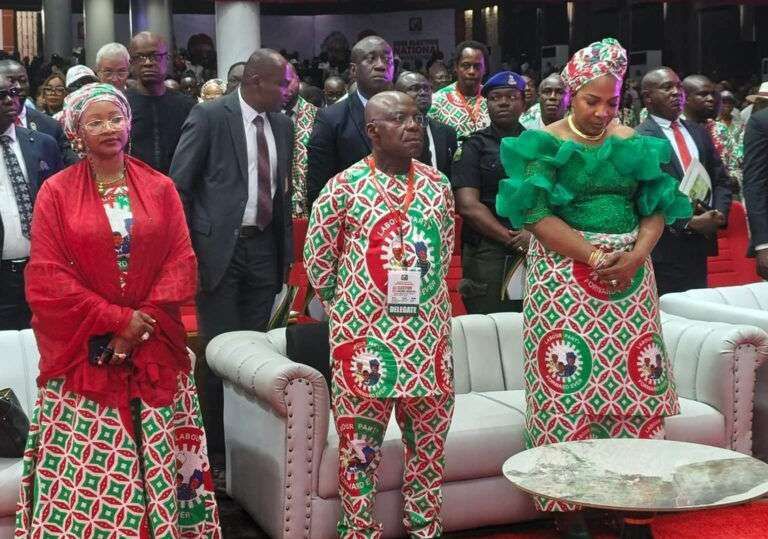
The Labour Party has formally installed Nenadi Usman as its substantive national chairman, consolidating its leadership structure as the party begins early preparations for the 2027 general elections.
Usman’s emergence was ratified on Tuesday at the party’s national elective convention held in Umuahia, where delegates endorsed a new National Working Committee through a consensus-based process designed to minimise internal divisions.
Alongside Usman, the convention produced Iheanacho Obioma as national secretary and Hilda Dokubo as national women leader, among other key officials.
Party leaders said the adoption of consensus and affirmation voting reflected a strategic effort to stabilise the party after months of internal tensions, while projecting a united front ahead of critical electoral activities.
Speaking at the convention, Alex Otti commended the organisers, particularly the convention committee led by Ginger Onwusibe, for delivering what he described as a credible and orderly exercise.
Otti urged the newly elected leadership to prioritise reconciliation and expand the party’s base, warning that internal cohesion would be decisive in determining its electoral fortunes.
He stressed that the leadership must immediately begin efforts to reintegrate aggrieved members and build consensus across different blocs within the party.
According to him, “politics is ultimately about numbers,” adding that the Labour Party must broaden its appeal and avoid alienating key stakeholders if it hopes to remain competitive on the national stage.
The governor also tasked the new leadership with ensuring a transparent and conflict-free primary process, noting that disputes arising from candidate selection have historically weakened political parties ahead of general elections.
In her acceptance speech, Usman pledged to justify the confidence reposed in her, promising to strengthen party structures and deepen internal democracy.
She emphasised that her leadership would focus on inclusiveness, organisational discipline, and grassroots mobilisation, describing the task ahead as one that requires collective commitment.
Usman also highlighted the symbolic importance of her election, noting that it reflects a gradual shift toward greater female representation in Nigeria’s political leadership space.
She called on party members to work together in rebuilding trust and positioning the party as a credible alternative in the country’s political landscape.
The convention marks a pivotal moment for the Labour Party as it seeks to consolidate gains made in previous elections while addressing lingering internal disputes that have threatened its cohesion.