Politics
Netanyahu hails Israel’s military campaign against Iran, vows to prevent nuclear threat
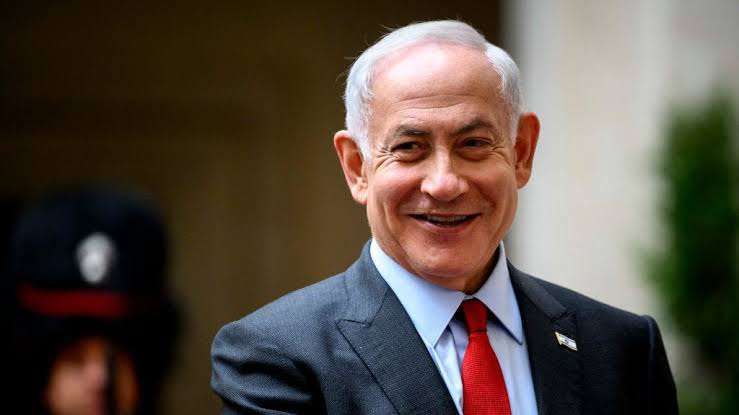
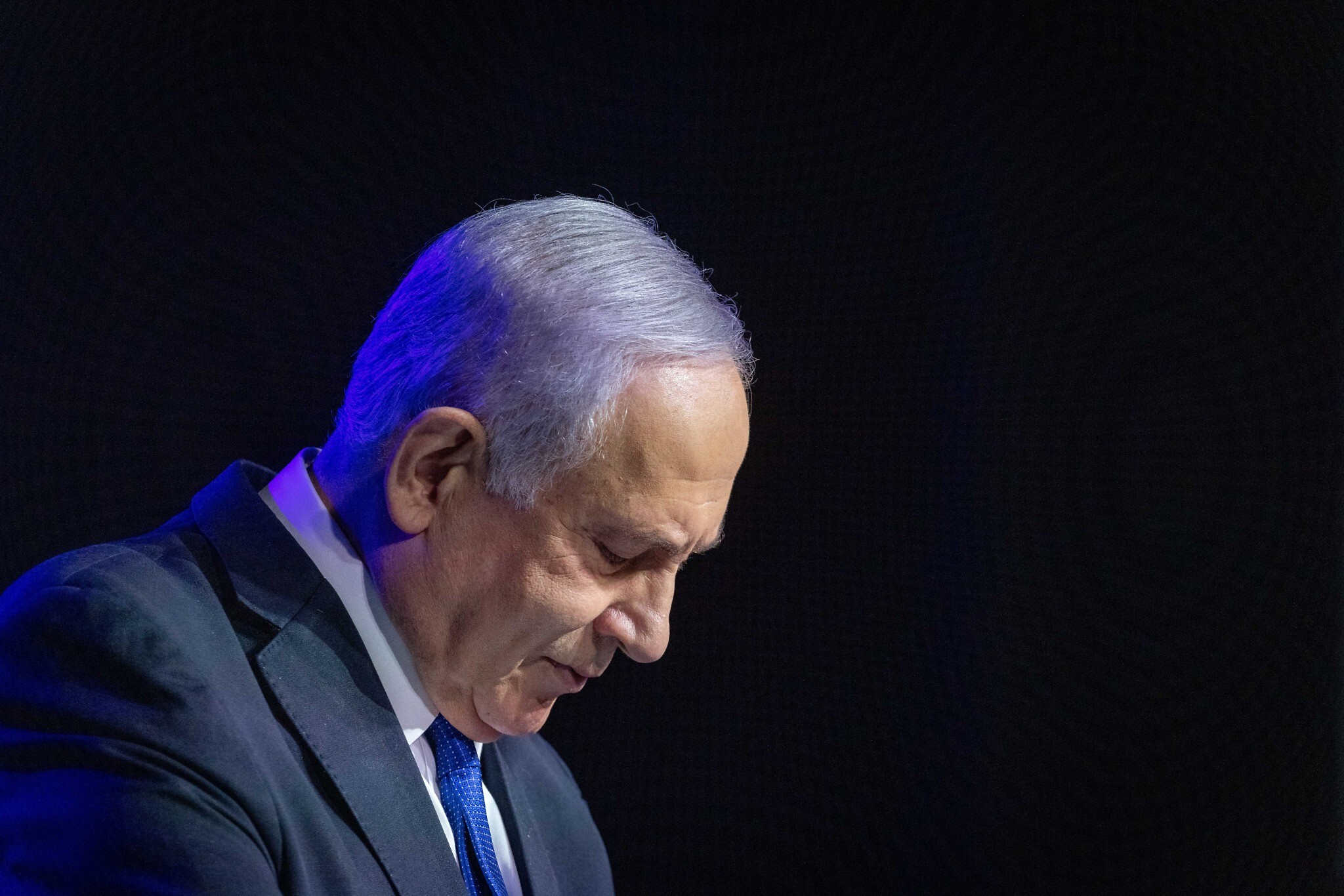
Israeli Prime Minister, Benjamin Netanyahu has declared that Israel’s recent military operations against Iran and its regional allies have significantly weakened what he described as an existential threat to the Jewish state, while vowing that Tehran would never be allowed to acquire nuclear weapons.
Addressing a press conference, Netanyahu described preventing Iran from obtaining nuclear capabilities as the defining mission of his political career, insisting that Israel had succeeded in pushing back what he called an immediate danger to its survival.

According to him, the military campaign carried out in cooperation with the United States represented one of the most extensive operations in Israel’s history, targeting Iran’s nuclear infrastructure, missile production facilities, military assets and senior officials.
The Israeli leader argued that the offensive had inflicted enormous economic and military damage on Iran while delaying its nuclear ambitions for years.
“We saved the State of Israel from the threat of nuclear annihilation,” Netanyahu said, maintaining that Iran had been rapidly advancing towards nuclear weapons capability before the military operation was launched.
He claimed that Israeli and American actions prevented a scenario in which millions of Israelis could have faced a direct existential threat.
Despite declaring the operation a major success, Netanyahu stressed that Israel’s security challenges were far from over and pledged continued vigilance against Iran and groups aligned with Tehran across the Middle East.
He said Israel would maintain its military posture against Iranian-backed organisations operating in Gaza, Lebanon, Syria, Yemen and the Palestinian territories, insisting that the country’s security doctrine had fundamentally changed since the October 7 attacks.
Netanyahu also used the occasion to highlight Israel’s military actions against Hamas and Hezbollah, saying the country had significantly degraded the capabilities of both groups.
He claimed Israeli forces had eliminated several key Hamas leaders and dismantled extensive militant infrastructure during the ongoing conflict in Gaza.
The Prime Minister further asserted that Israel had successfully secured the release of all hostages held in Gaza and had prevented what he described as major threats from Hezbollah along Israel’s northern border.
According to him, Israeli military operations had destroyed a substantial portion of Hezbollah’s missile arsenal and neutralised strategic positions previously used to threaten Israeli communities.
Netanyahu said Israel had also established security buffer zones in areas bordering Gaza, Lebanon and Syria as part of a broader strategy to prevent future attacks.
He maintained that Israeli forces would remain in those areas for as long as necessary to guarantee national security.
The Prime Minister said the lessons of recent conflicts had led Israel to adopt a more proactive security doctrine focused on striking threats before they materialise.
“Israel is stronger than ever, and Iran’s axis is weaker than ever,” he declared.
Looking ahead, Netanyahu pledged to strengthen Israel’s military capabilities, expand regional partnerships and invest heavily in domestic defence production.
He revealed plans to channel significant resources into boosting Israel’s strategic independence in arms manufacturing and developing advanced technologies aimed at enhancing national security.
The Israeli leader also thanked citizens for their support during the conflict and paid tribute to members of the armed forces and security agencies for their role in the military campaign.
Concluding his remarks, Netanyahu expressed confidence in Israel’s future, saying the country would continue to confront security threats while pursuing new opportunities for regional cooperation and economic growth.
He reiterated that as long as he remains Prime Minister, Iran would not be permitted to acquire nuclear weapons, describing that commitment as central to Israel’s long-term security and survival.