Politics
Hormuz tensions rise as Trump accuses Iran of violating ceasefire terms
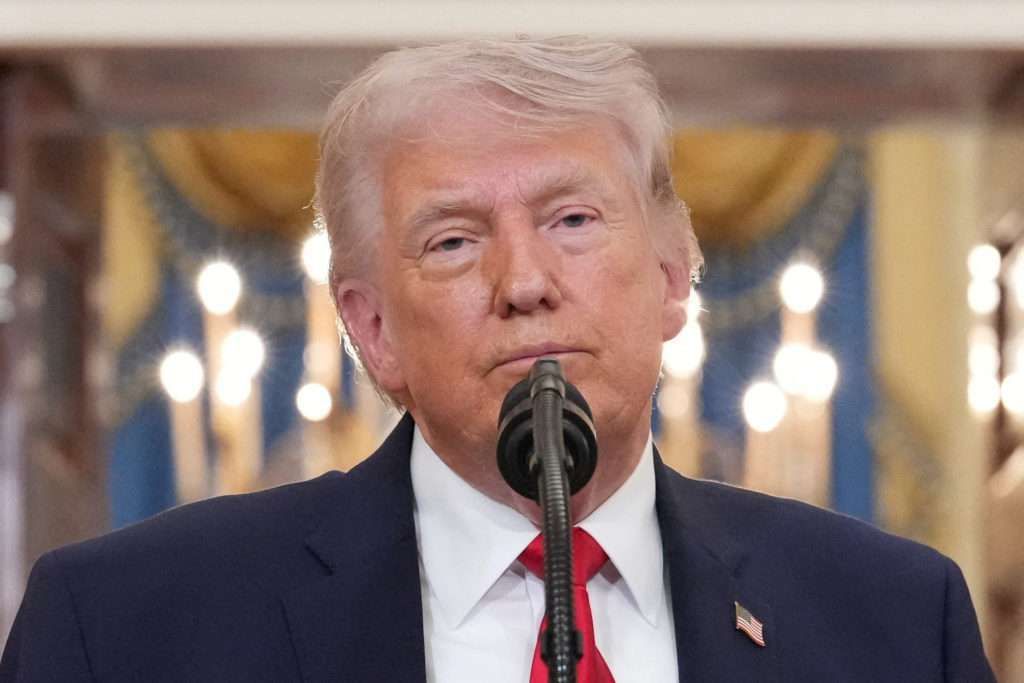
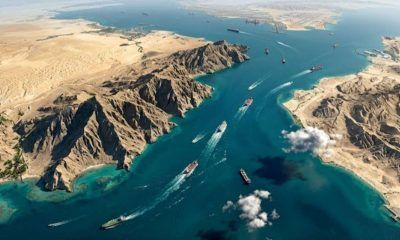
United States President Donald Trump has accused Iran of mishandling oil transit through the strategically vital Strait of Hormuz, warning that Tehran’s actions are “not the agreement we have,” in remarks that underscore the fragile state of the recently announced ceasefire.
Trump criticised Iran’s conduct in an interview, saying the country was doing a “very poor job” managing traffic through the narrow waterway, through which roughly 20 per cent of the world’s oil and liquefied natural gas passes. He also warned Tehran against imposing new charges on vessels using the route.

“There are reports that Iran is charging fees to tankers going through the Hormuz Strait,” Trump wrote on Truth Social. “They better not be and, if they are, they better stop now.”
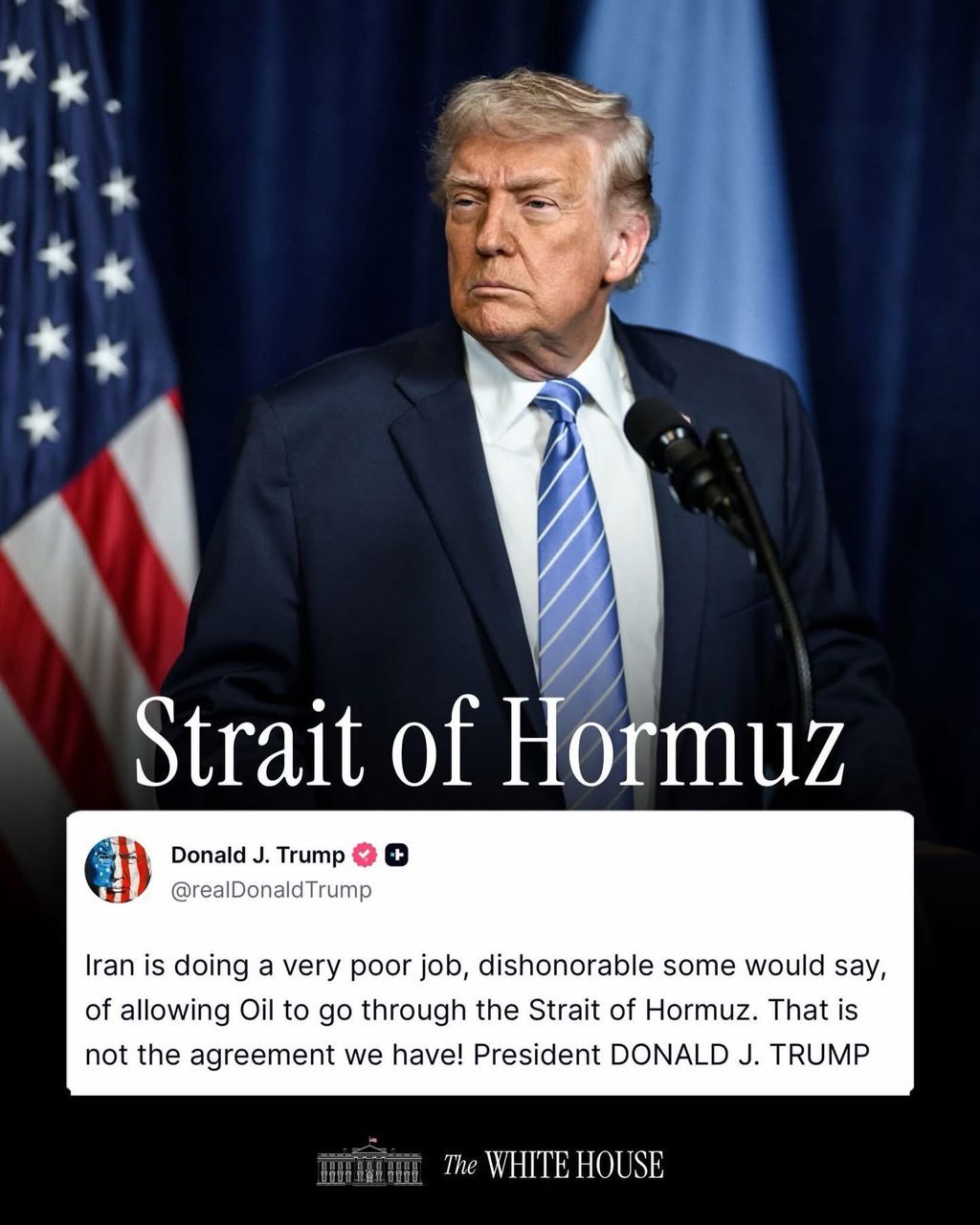
Trump’s post
The comments reflect growing uncertainty over the scope of the ceasefire deal and whether it extends beyond the Israel-Iran front to include Lebanon, where Israeli forces have intensified strikes against Hezbollah positions.
Israeli Prime Minister Benjamin Netanyahu confirmed that his government would begin direct talks with Lebanon, focusing on disarming Hezbollah and exploring the possibility of peaceful relations between the two countries. A U.S. State Department official said Washington would host the negotiations next week.
However, the situation on the ground remains volatile. Lebanese officials have urged an immediate ceasefire ahead of the talks, but Netanyahu dismissed the suggestion in remarks to residents of northern Israel, declaring: “There is no ceasefire in Lebanon.”
Israeli air strikes continued across southern Lebanon on Thursday, targeting what the military described as Hezbollah rocket launch sites. The attacks triggered fresh evacuation warnings in the southern suburbs of Beirut, including the Jnah area, which hosts two major hospitals.
World Health Organization Director-General Tedros Adhanom Ghebreyesus said the evacuation order had placed hundreds of patients in immediate danger.
“At this time, no alternative medical facilities are available to receive approximately 450 patients from the two hospitals, including 40 patients in the ICU, rendering their evacuation operationally unfeasible,” Tedros said in a post on X.
Lebanon’s health ministry reported that Wednesday’s wave of Israeli strikes killed at least 303 people and wounded more than 1,150 others.
Confusion over whether Lebanon was covered by the ceasefire has further complicated the situation. Iranian officials and mediators from Pakistan have suggested the agreement included Lebanon, while U.S. and Israeli officials insist it applied only to hostilities between Israel and Iran.
Amid the uncertainty, Israel launched what Lebanese authorities described as the heaviest bombardment since the conflict began six weeks ago. Iran responded by accusing Israel of violating the ceasefire and threatening retaliatory strikes while warning it could again halt shipping through the Strait of Hormuz.
Israel’s military continues to maintain a significant presence in southern Lebanon, where it says it has destroyed several Hezbollah positions and villages used as militant bases.
Diplomatic efforts are also complicated by Hezbollah’s position within Lebanon. Although the group holds seats in the Lebanese government, it operates independently and maintains close ties to Iran.
In early March, the Lebanese government formally banned Hezbollah’s military activities following the outbreak of war with Israel, but the group has continued operations.
On Thursday, Lebanon’s cabinet ordered security forces to restrict all weapons in Beirut to state institutions in an effort to reassert government control.
“The army and security forces are requested to immediately begin reinforcing the full imposition of state authority over Beirut Governorate,” Prime Minister Nawaf Salam said after a cabinet meeting.
Israel welcomed the move, saying it “appreciates today’s call by the Prime Minister of Lebanon to demilitarise Beirut.”
According to U.S. outlet Axios, Netanyahu’s announcement of direct negotiations came after calls with Trump and White House envoy Steve Witkoff.
Lebanese President Joseph Aoun has repeatedly insisted that a ceasefire is the only viable path forward and earlier called for direct negotiations with Israel as part of a broader proposal to end the conflict with Hezbollah.
The latest escalation began when Hezbollah launched rockets into Israel following the killing of Iran’s Supreme Leader, Ayatollah Ali Khamenei, during the opening phase of the war, and in response to sustained Israeli strikes on Lebanese territory.
Lebanon’s health ministry says more than 1,800 people, including at least 130 children, have been killed since the conflict began, though it does not distinguish between civilians and fighters. Israel says it has killed around 1,100 Hezbollah combatants.
The fighting has displaced more than 1.2 million people—nearly one-fifth of Lebanon’s population—most of them from the country’s Shia Muslim communities.