Politics
FG maintains Nigeria–US ties strong despite visa freeze, ambassador recall
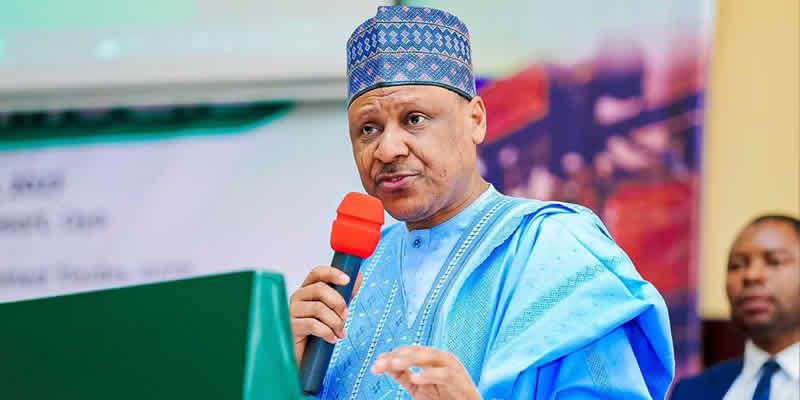
The Federal Government has insisted that Nigeria’s diplomatic relations with the United States remain robust, even as fresh visa restrictions and the recall of the US ambassador to Nigeria under President Donald Trump’s administration have raised concerns.
Speaking at a year-end news conference in Abuja on Monday, the Minister of Information and National Orientation, Mohammed Idris, said sustained dialogue between the two countries had largely resolved recent tensions.
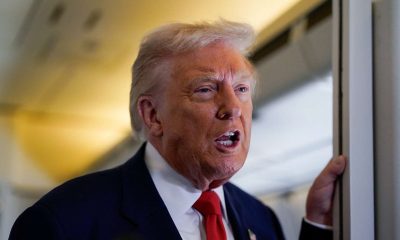
According to Idris, the dispute followed remarks by President Trump accusing Nigeria of failing to protect Christians and hinting at possible military intervention — comments that drew strong diplomatic responses from Abuja.
“The recent diplomatic spat with the United States has been largely resolved through firm, respectful engagement, resulting in a strengthened partnership between America and Nigeria,” the minister said.
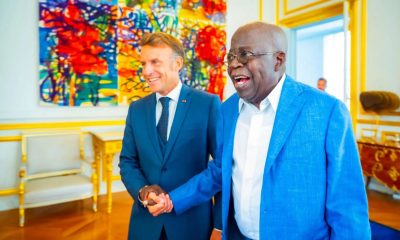
Idris highlighted a recently signed five-year bilateral health cooperation agreement valued at $5.1 billion as a sign of improving ties. Under the deal, the United States will provide $2.1 billion in grants, while Nigeria will commit $3 billion. He described the agreement as the largest co-investment by any country under the America First Global Health Strategy, noting that it would improve healthcare delivery, save lives, and attract further investment.
He further stressed that Nigeria is increasingly asserting itself as a strategic and confident partner on the global stage, able to defend its interests while maintaining mutually beneficial international relationships.
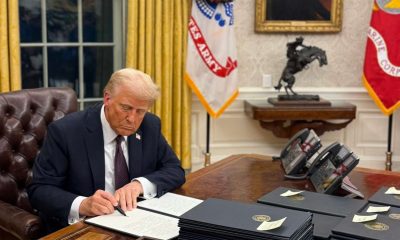
The government’s assurances come amid new US measures affecting Nigerians. Last week, the United States temporarily suspended citizenship, permanent residency, asylum, and visa applications from Nigerians and nationals of several other countries newly added to Trump’s expanded “travel ban.” The freeze prevents many lawful Nigerian residents in the US from adjusting their immigration status or completing citizenship applications.
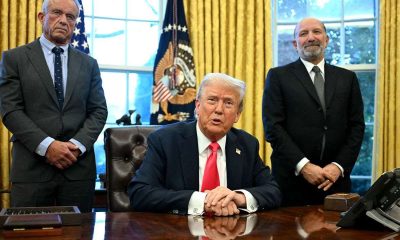
Meanwhile, the Trump administration has recalled US ambassadors from Nigeria and 28 other countries, including 13 African nations, as part of a reshuffle aimed at aligning the diplomatic corps with the president’s “America First” agenda. Most of the recalled diplomats, appointed during the Biden administration, are expected to return to Washington for reassignment.
While the ambassadorial recalls have prompted concern among some US lawmakers and diplomatic associations, the US State Department described the moves as routine administrative procedures.
Addressing Nigeria’s own diplomatic representation, Idris said the country’s newly appointed ambassadors will assume duty in their respective postings in 2026 after clearance and confirmation by the National Assembly. He expressed optimism that their deployment would further enhance Nigeria’s bilateral ties and international engagement.