Business
Diezani fights back in London court, frames UK spending as official duty

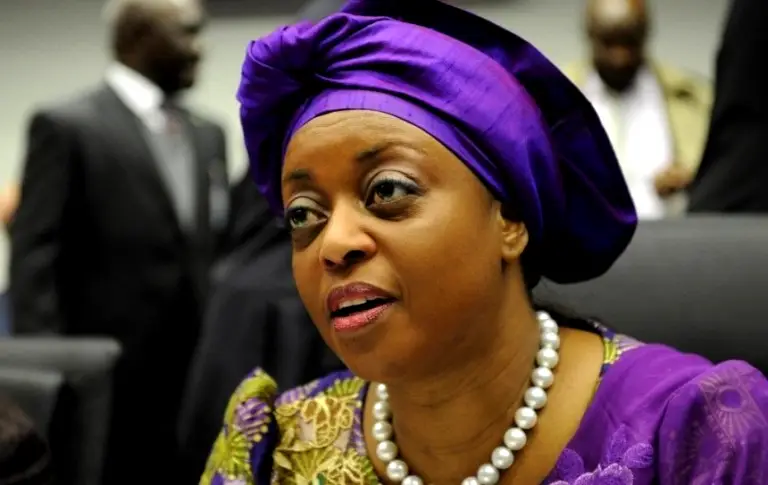
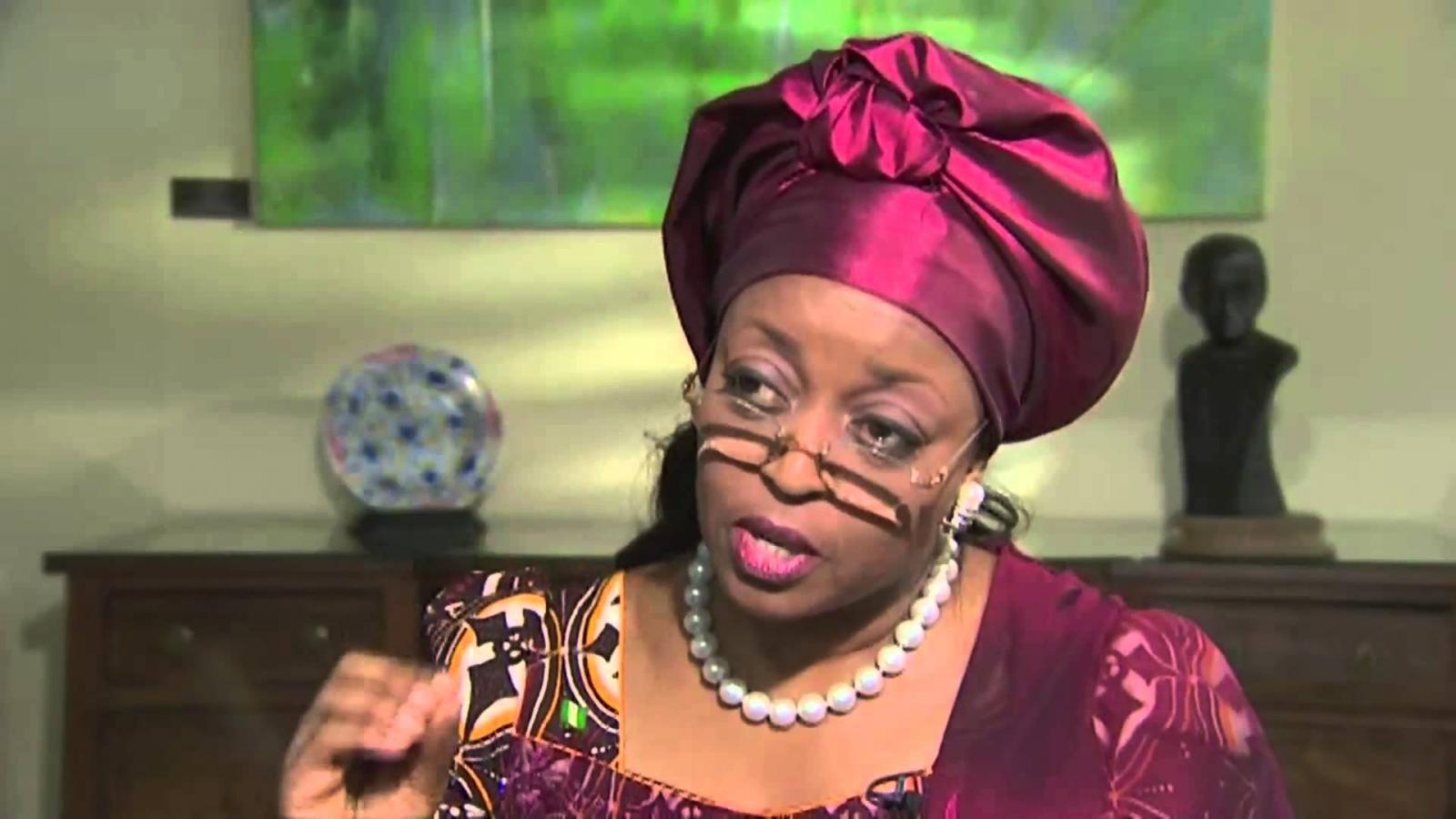
In a courtroom thousands of miles from Nigeria’s oil fields, the trial of former petroleum minister Diezani Alison-Madueke is unfolding as both a legal showdown and a deeper examination of power, governance and perception in public office.
Before the Southwark Crown Court in London, the 65-year-old ex-minister has mounted a firm defence against allegations that she traded government contracts for personal benefit, insisting instead that her actions were guided by duty and constrained by the realities of a difficult system.

“I did not ask for, take, or receive a bribe of any sort,” she told the court, maintaining that she acted impartially throughout her tenure.
At issue is a pattern of spending that prosecutors say reflects a life of privilege funded by businessmen seeking influence. The case details claims of luxury shopping, high-end accommodation and multimillion-pound property upgrades in the United Kingdom.
Among the figures cited are over £2 million allegedly spent at Harrods and about £4.6 million on refurbishing properties across London and Buckinghamshire.
But Alison-Madueke’s account recasts those expenses as operational necessities rather than personal indulgence. According to her testimony, the costs were tied to official engagements and later reimbursed through the Nigerian National Petroleum Company, which she described as administratively disorganised at the time.
A London-based logistics company, she explained, was set up to manage travel, accommodation and security arrangements that would otherwise have been difficult to coordinate through official channels.
“They paid for all my hotels, chauffeurs… to allow me to perform my duties,” she said.
She further argued that renting private residences was often more cost-effective than prolonged stays in luxury hotels such as the Savoy or Dorchester, where nightly rates could run into thousands of pounds.
Court proceedings have traced her movements through a series of upscale properties—homes in Marylebone, Regent’s Park and Buckinghamshire—allegedly made available for her use. Yet she distanced herself from the arrangements, describing some stays as circumstantial.
One such visit, during Christmas 2011, was prompted by a medical situation involving her then-husband, she said. Another extended stay, she testified, doubled as a working retreat where officials collaborated on a publication highlighting a Nigerian president’s support for women.
Other properties, she maintained, served official purposes, including discreet meetings, while at least one cited by prosecutors was uninhabitable due to renovation work when she saw it.
The prosecution has also pointed to a claim that £100,000 in cash was delivered through a chauffeur. Alison-Madueke rejected any connection to the money, telling the court she was unaware of the incident.
Beyond the financial details, her testimony has provided insight into a career shaped by both ambition and tension. Rising through the ranks of Shell, she became the first female executive in its Nigerian arm, despite personal reservations rooted in her family’s history with the company.
She recalled her father’s failed legal battle against Shell and criticised the firm’s response to environmental damage in the Niger Delta, where oil spills have long scarred communities.
Her time in public office, she suggested, came with heightened risks. As a woman in a senior role, she said she faced resistance in what she described as a patriarchal environment, alongside serious security threats, including kidnapping incidents involving family members.
In 2015, she reached a global milestone as the first female president of the Organization of the Petroleum Exporting Countries—a position that underscored her influence in international energy politics.
Now, that legacy is being tested in court. Alison-Madueke faces five counts of accepting bribes and one of conspiracy to commit bribery, all of which she denies.
Also on trial are oil executive Olatimbo Ayinde, accused of bribery offences, and her brother, Doye Agama, who faces a conspiracy charge.
As the case continues, it is not only the fate of a former minister at stake, but also broader questions about governance, accountability and the fine line between official privilege and personal gain.