

Business
Concern as US evacuates embassy staff, places 23 Nigerian states on ‘Do Not Travel’ list
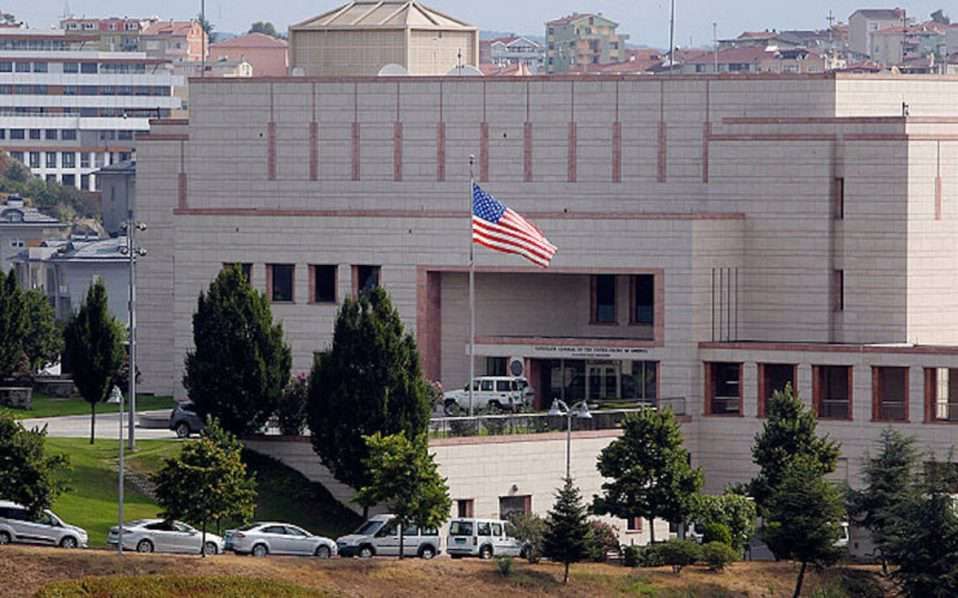
Fresh concerns have emerged over Nigeria’s security situation after the United States Department of State authorised the departure of non-essential personnel and their families from the U.S. Embassy in Abuja.
The move was announced in an updated travel advisory released on Wednesday, in which the department warned American citizens to reconsider travelling to Nigeria due to increasing threats from crime, terrorism, kidnapping, and civil unrest.
The advisory, which took effect on April 8, 2026, retains Nigeria under a “Level 3: Reconsider Travel” warning, while designating several states as “Level 4: Do Not Travel,” the highest risk category.
Five states — Plateau, Jigawa, Kwara, Niger, and Taraba — were recently added to the list of areas deemed too dangerous for travel, bringing the total number of Nigerian states under the Level 4 advisory to 23.
According to the State Department, the decision to allow the evacuation of certain embassy staff was prompted by the worsening security environment in parts of the country.
“On April 8, 2026, the Department of State authorised non-emergency U.S. government employees and their family members to depart the U.S. Embassy in Abuja due to the deteriorating security situation,” the advisory stated.
The department warned that violent crimes, including armed robbery, carjacking, and kidnapping for ransom, remain widespread across Nigeria, adding that foreign nationals are often targeted because they are perceived to be wealthy.
A number of northern states were listed under the Level 4 advisory due to threats from terrorism, banditry, and kidnapping. These include Borno, Jigawa, Kogi, Kwara, Niger, Plateau, Taraba, Yobe, and northern Adamawa.
Other states highlighted are Bauchi, Gombe, Kaduna, Kano, Katsina, Sokoto, and Zamfara, where the advisory cited civil unrest, organised criminal activity, and frequent abductions.
“The security situation in these states is unstable and unpredictable due to ongoing civil unrest. Widespread violence between communities and armed crime, including kidnapping and roadside banditry, occur regularly,” the advisory said.
It also noted that security operations by government forces aimed at addressing the threats could occur without warning.
In the southern and southeastern regions, the State Department advised Americans to avoid Abia, Anambra, Bayelsa, Delta, Enugu, Imo, and Rivers states, excluding Port Harcourt, citing persistent risks of kidnapping, violent protests, and armed criminal gangs.
The advisory further warned that terrorist attacks remain a possibility across Nigeria and could target public places such as markets, shopping malls, hotels, places of worship, and large gatherings.
The department also pointed to concerns about Nigeria’s healthcare system, stating that medical services in many parts of the country are limited and often fall short of U.S. or European standards.
Despite the security concerns, the State Department advised U.S. citizens who must travel to Nigeria to enrol in the Smart Traveler Enrollment Program (STEP) to receive important security updates and alerts.
Travellers were also urged to avoid demonstrations and large gatherings, remain vigilant at all times, and establish personal safety measures, including “proof of life” arrangements in case of kidnapping.