Politics
Ceasefire wobbles as Trump threatens ‘Bigger, Stronger’ attacks on Iran
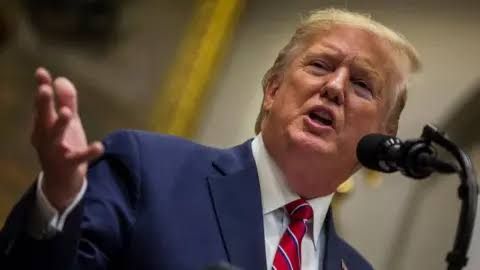
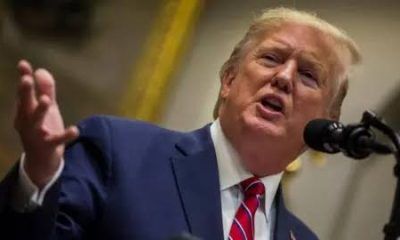
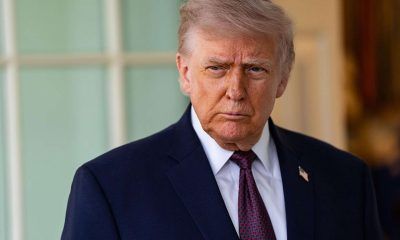
The fragile ceasefire between the United States and Iran appeared increasingly uncertain on Wednesday after President Donald Trump warned that Washington would unleash a massive military response if Tehran violates the truce.
Trump issued the warning in a post on his Truth Social platform, declaring that U.S. military forces would remain deployed in and around Iran until what he described as the “real agreement” behind the ceasefire is fully honoured.

According to the U.S. president, any breach of the agreement would trigger a far more devastating assault than previous attacks.
“All U.S. ships, aircraft and military personnel with additional ammunition, weaponry and anything else that is appropriate and necessary for the lethal prosecution and destruction of an already substantially degraded enemy will remain in place, in and around Iran until such time as the real agreement reached is fully complied with,” Trump wrote.
“If for any reason it is not, which is highly unlikely, then the shooting starts bigger and better and stronger than anyone has ever seen before.”
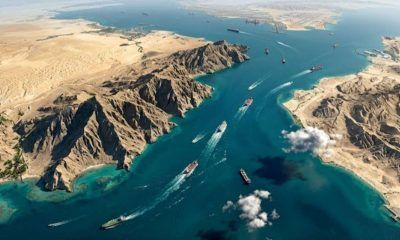
Trump reiterated that the central understanding between the two sides was that Iran would not develop nuclear weapons and that the Strait of Hormuz — one of the world’s most important oil shipping routes — would remain open and safe for international trade.
“It was agreed a long time ago, and despite all of the fake rhetoric to the contrary, there will be no nuclear weapons and the Strait of Hormuz will be open and safe,” he added.
The U.S. president also suggested American forces were preparing for further operations if necessary, saying the military was “loading up and resting” while awaiting full compliance with the agreement.
The warning comes just days after Washington and Tehran agreed to a two-week ceasefire that halted weeks of escalating hostilities and raised hopes of easing tensions in the Middle East.
The truce, brokered with the involvement of Pakistan, paused more than a month of increasingly intense attacks that had heightened fears of a wider regional conflict.
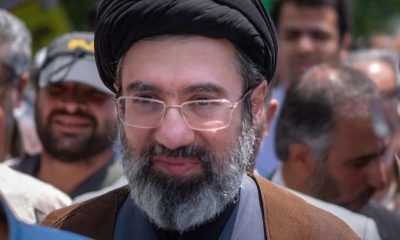
However, uncertainty over the durability of the ceasefire deepened after an Iranian diplomat appeared to delete a social media post announcing that a delegation from Tehran would travel to Pakistan for negotiations with U.S. officials.
The now-removed post had indicated that the Iranian team would arrive in Islamabad for talks aimed at transforming the temporary ceasefire into a broader peace agreement. There was no immediate explanation for the deletion, raising questions about the status of the planned meeting.
Despite the pause in direct confrontation between the United States and Iran, tensions across the region remain high.
Israel has continued large-scale strikes in Lebanon against Hezbollah targets, killing hundreds of people and raising fears that the violence could undermine diplomatic efforts to stabilise the situation.
Iran has warned that ongoing Israeli attacks could complicate negotiations with Washington and make it difficult to sustain the fragile ceasefire.
Diplomats say talks expected in Islamabad in the coming days will be crucial in determining whether the current truce evolves into a lasting agreement or collapses.
The ceasefire had initially sparked a brief wave of optimism in global markets, particularly as concerns eased over potential disruptions to shipping through the Strait of Hormuz.
The strategic waterway, located between Iran and Oman, carries roughly one-fifth of the world’s oil supply and is considered one of the most critical chokepoints in global energy trade.
However, lingering uncertainty over the ceasefire and continued military activity in parts of the region have kept markets on edge.
Oil prices climbed again on Thursday amid fears that renewed hostilities could threaten energy supplies and destabilise the wider Middle East.
Analysts say the coming days of negotiations will be decisive in determining whether diplomacy can hold the ceasefire together or whether the conflict risks escalating once again.