Politics
Abuja court begins coup trial as Sylva, ex-general, others face treason, terrorism charges
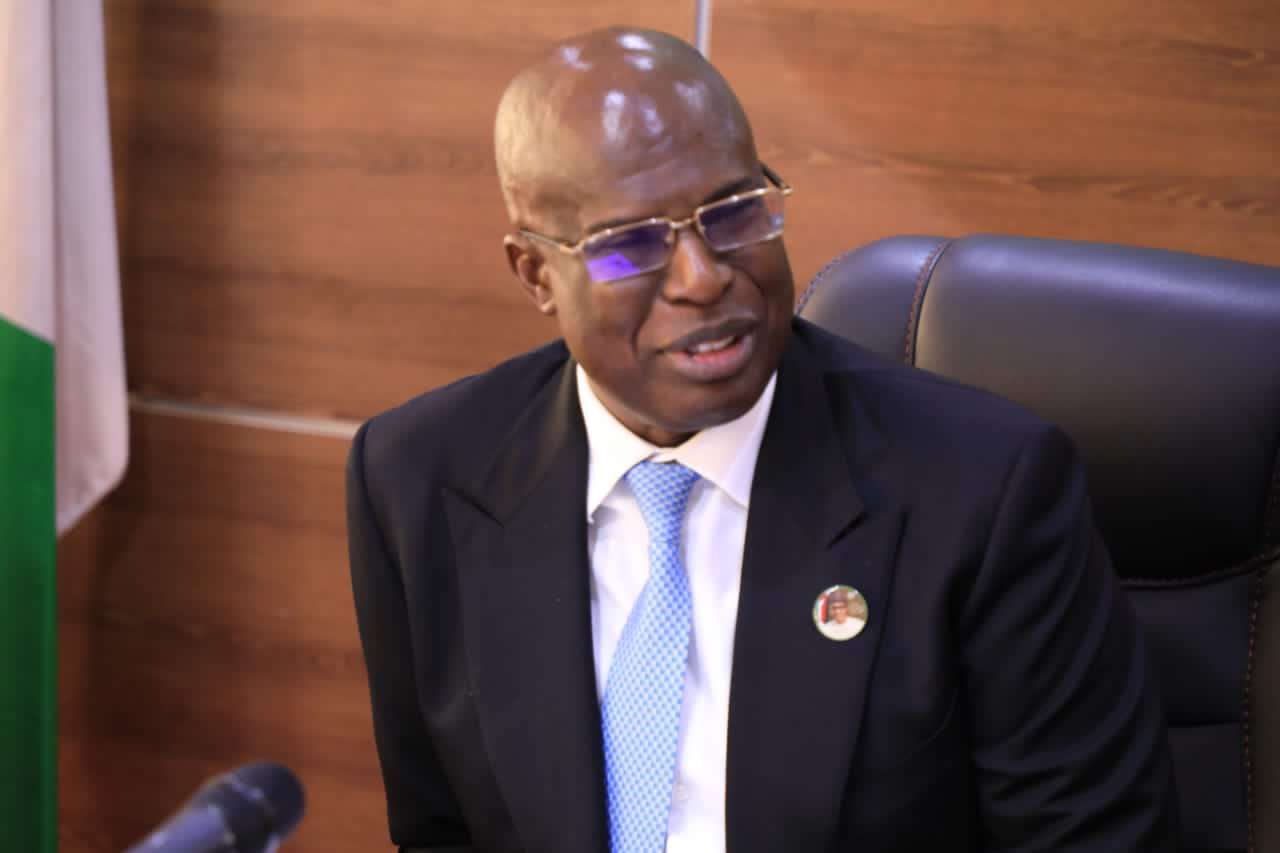
The trial of individuals accused of plotting to overthrow President Bola Tinubu has commenced at the Federal High Court in Abuja, with defendants facing some of the most severe penalties under Nigerian law, including death sentence and life imprisonment if convicted.
The accused persons – comprising a retired major general, a retired naval captain, a serving police inspector, a cleric, and other civilians – are standing trial on a 13-count charge bordering on treason, terrorism, conspiracy, and alleged terrorism financing tied to a reported 2025 coup attempt.

Also named in the charge sheet is former Bayelsa State governor and ex-Minister of State for Petroleum Resources, Timipre Sylva, who is alleged to have played a role in the purported conspiracy but has not yet been formally arraigned. He has since denied any involvement.
Prosecutors say he is currently at large, while some of his aides and domestic workers remain in custody.
The trial, presided over by Justice Joyce Abdulmalik, is expected to run alongside separate military proceedings involving serving officers also implicated in the alleged plot.
Severe legal consequences
The charges carry heavy legal consequences under Nigerian criminal and anti-terrorism laws.
Under Section 37 of the Criminal Code Act, treason – defined as acts aimed at overthrowing the government or levying war against the state – is punishable by death upon conviction. Treasonable felony, which includes conspiracy or attempts to incite mutiny, attracts life imprisonment.
Similarly, the Terrorism (Prevention and Prohibition) Act, 2022 provides for the death penalty where terrorism leads to loss of life, while other terrorism-related offences carry long-term prison sentences ranging from 10 years to life imprisonment.
Legal analysts say the combination of treason and terrorism charges places the defendants in a highly consequential trial, where conviction could result in capital punishment.
Court proceedings begin
At the resumed hearing in Abuja, one of the defendants already in custody was present for arraignment, while five others are expected to be brought before the court as proceedings continue.
The defendants include Mohammed Ibrahim Gana, a retired major general; Erasmus Ochegobia Victor, a retired naval captain; Ahmed Ibrahim, a police inspector; Zekeri Umoru, an electrician attached to the Presidential Villa; and Bukar Kashim Goni.
Court documents allege that the accused were involved in meetings and planning sessions aimed at destabilising the government, including alleged plans to storm key national institutions such as the Presidential Villa in Abuja and detain top officials.
Security sources also allege that the purported plot included targeting President Tinubu, Vice President Kashim Shettima, Senate President Godswill Akpabio, and House Speaker Tajudeen Abbas.
Allegations of funding and conspiracy
The 13-count charge, marked FHC/ABJ/CR/206/2026, accuses the defendants of conspiracy to wage war against the state, terrorism financing, and failure to report knowledge of the alleged plot.
Prosecutors claim that sums totalling N71.2 million, ranging from N1 million to N50 million, were found in accounts linked to some of the defendants and believed to be proceeds of alleged terrorism financing.
One count specifically accuses a cleric identified as Sani of retaining N2 million in a Jaiz Bank account, which authorities say was linked to terrorism financing.
Another defendant, Bukar Kashim Goni, is alleged to have received N50 million through a First Bank account, while Zekeri Umoru is accused of receiving multiple payments, including N10 million in cash and an additional N8.8 million in a Zenith Bank account.
Ahmed Ibrahim, a police inspector, is also accused of receiving N1 million allegedly connected to the same plot.
Sylva still at large
Although Sylva has not been arraigned, prosecutors maintain he is named in several counts as part of the broader conspiracy. Authorities say he remains at large as investigations continue.
His mention in the case has added a political dimension to an already sensitive trial involving senior retired military officers, serving security personnel, and civilians.
Officials further disclosed that serving military officers linked to the case will face court martial proceedings, while civilians and retired officers will be prosecuted at the Federal High Court.