Business
Obi decries ₦34tn revenue deductions, warns of worsening fiscal leakages
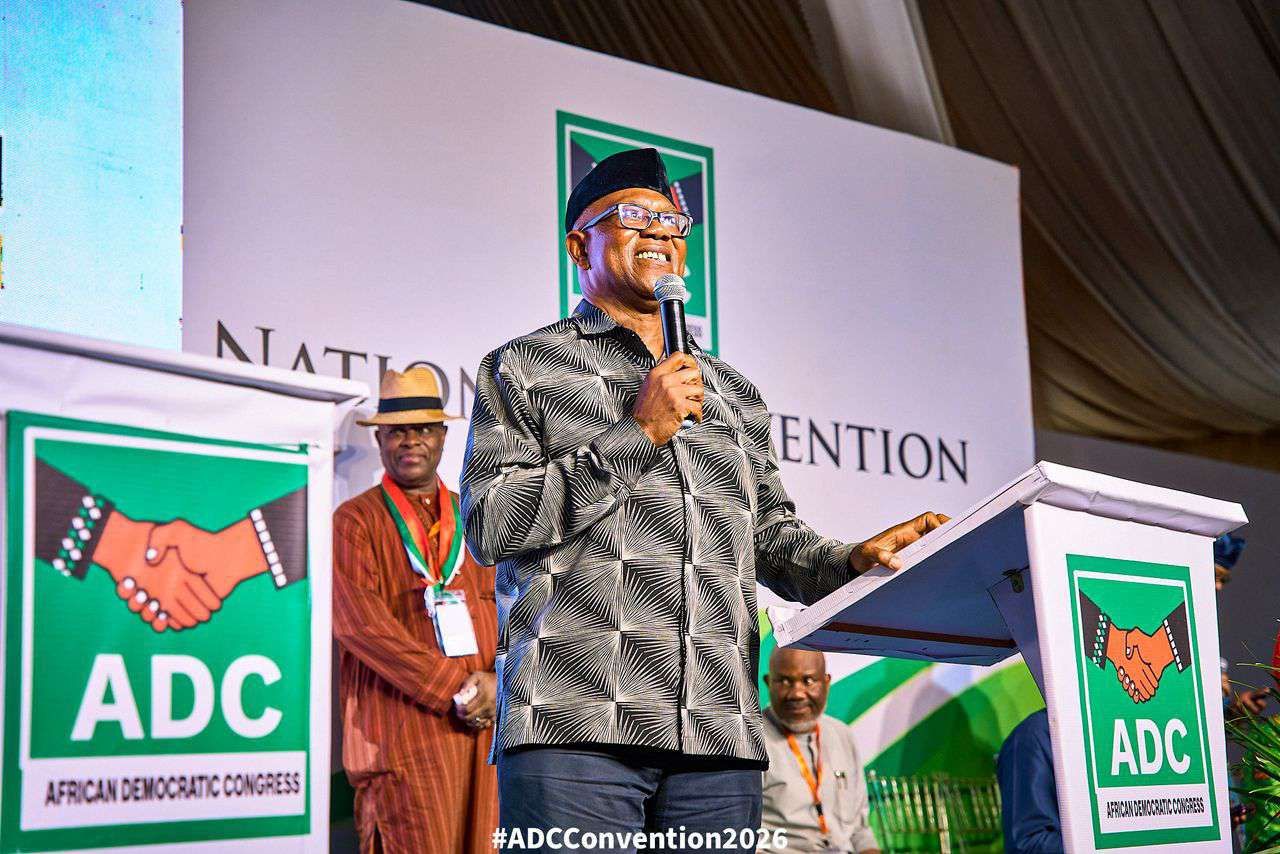
Former presidential candidate of the Labour Party, Peter Obi, has raised fresh concerns over what he described as large-scale leakages in Nigeria’s public revenue system, alleging that about ₦34 trillion did not accrue to the Federation Account within a three-year period.
In a statement issued on Saturday, Obi said findings attributed to the World Bank indicate that although Nigeria recorded a significant rise in federation revenue between 2023 and 2025, a substantial portion of the funds was deducted before reaching the Federation Account.
He said total federation revenue rose from ₦17.08 trillion in 2023 to ₦29.45 trillion in 2024 and ₦37.44 trillion in 2025, amounting to about ₦83.97 trillion over the period.
However, according to the figures he cited, deductions from the revenue stream also increased sharply, rising from ₦6.22 trillion in 2023 to ₦13.38 trillion in 2024 and ₦14.93 trillion in 2025, bringing total deductions to about ₦34.53 trillion.
Obi described the development as “deeply troubling,” arguing that the deductions represent about 41 per cent of total revenue and raise serious questions about transparency in public finance management.
He noted that the amount deducted exceeds the combined capital allocations in the 2024 and 2025 national budgets, warning that such a trend could undermine investments in critical sectors such as infrastructure, education and healthcare.
The former governor of Anambra State said Nigeria is facing a contradiction where rising revenues have not translated into improved development outcomes.
“We are trapped in a situation where the country is earning more, yet less is available for development,” he said.
Obi also expressed concern that increasing “first-line charges” and deductions by government agencies are reducing the funds available for distribution to the federal, state and local governments.
He warned that the trend could worsen existing development challenges and weaken the capacity of subnational governments to deliver basic services.
According to him, the situation reflects deeper structural inefficiencies in Nigeria’s fiscal system, which require urgent reform to ensure accountability and efficiency in public resource management.
Obi further called for stronger oversight and transparent governance mechanisms to address what he described as persistent revenue leakages.
He urged policymakers to prioritise reforms that would redirect public funds towards productive investments, arguing that effective management of national resources remains key to achieving sustainable development.