Business
Senegal strips Arthur Eze’s Atlas Oranto of oil licence after years of inactivity
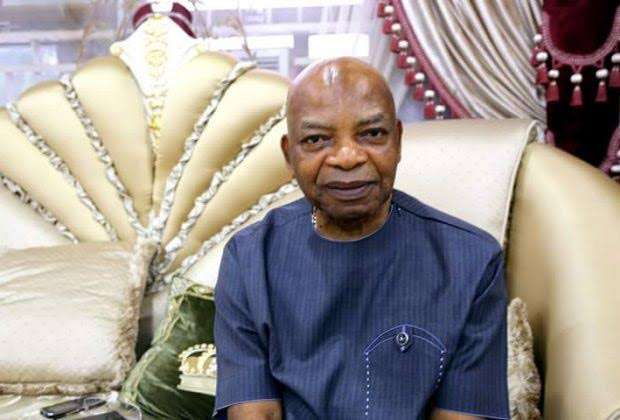
Senegal has revoked the offshore exploration licence held by Atlas Oranto Petroleum, the upstream oil and gas company founded by Nigerian businessman Arthur Eze, after the firm failed to meet key financial and operational obligations, officials said.
The decision, according to a report by Business Insider Africa, underscores Dakar’s intensifying efforts to enforce compliance in its energy sector and ensure that petroleum rights result in real investment and production rather than speculative holding.
Licence pulled for missed commitments
The Ministry of Energy and Petroleum, led by Minister Birame Souleye Diop, formally withdrew the Cayar Offshore Shallow exploration licence in September 2025. Authorities said Atlas Oranto did not provide the required bank guarantees and conducted only limited exploration work since the block was awarded in 2008, despite several extensions.
The Cayar block, which covers about 3,600 square kilometres north of the Dakar peninsula, is considered promising but remains largely unexplored. While seismic surveys identified several potential oil leads, no wells have been drilled.
Industry sources confirmed that the licence saw minimal seismic or drilling activity during its tenure, prompting the government to reclaim the acreage.
Part of wider crackdown on dormant licences
The revocation is part of a broader shift across Africa, where governments are re-evaluating legacy oil and gas contracts signed during earlier exploration periods. With rising pressure to turn hydrocarbon resources into revenue and development, many producers are cancelling licences that have remained inactive for years.
Senegal’s move also aligns with President Bassirou Diomaye Faye’s administration’s push for stronger regulation and faster monetisation of the country’s oil and gas resources.
Atlas Oranto’s regional footprint draws scrutiny
The licence revocation has drawn attention to Atlas Oranto’s wider operations in West Africa, where the company has faced scrutiny over transparency and contract terms.
In contrast, Liberia has recently moved to deepen its relationship with Atlas Oranto. In September, the Liberia Petroleum Regulatory Authority signed four production-sharing contracts with Atlas Oranto Petroleum International Ltd. for offshore blocks LB-15, LB-16, LB-22 and LB-24 in the Liberian Basin.
The deals included a signature bonus reported at $12 million to $15 million and proposed investments exceeding $200 million per block. Liberian officials described the agreements as part of efforts to revive a petroleum sector that has been largely inactive for more than a decade.
Senegal’s decision to revoke the Cayar licence signals a growing intolerance for stalled oil projects, as African nations tighten oversight to ensure that energy resources deliver tangible economic benefits.