Nation
Saudi airstrikes hit alleged UAE arms shipment in Yemen as Gulf allies clash
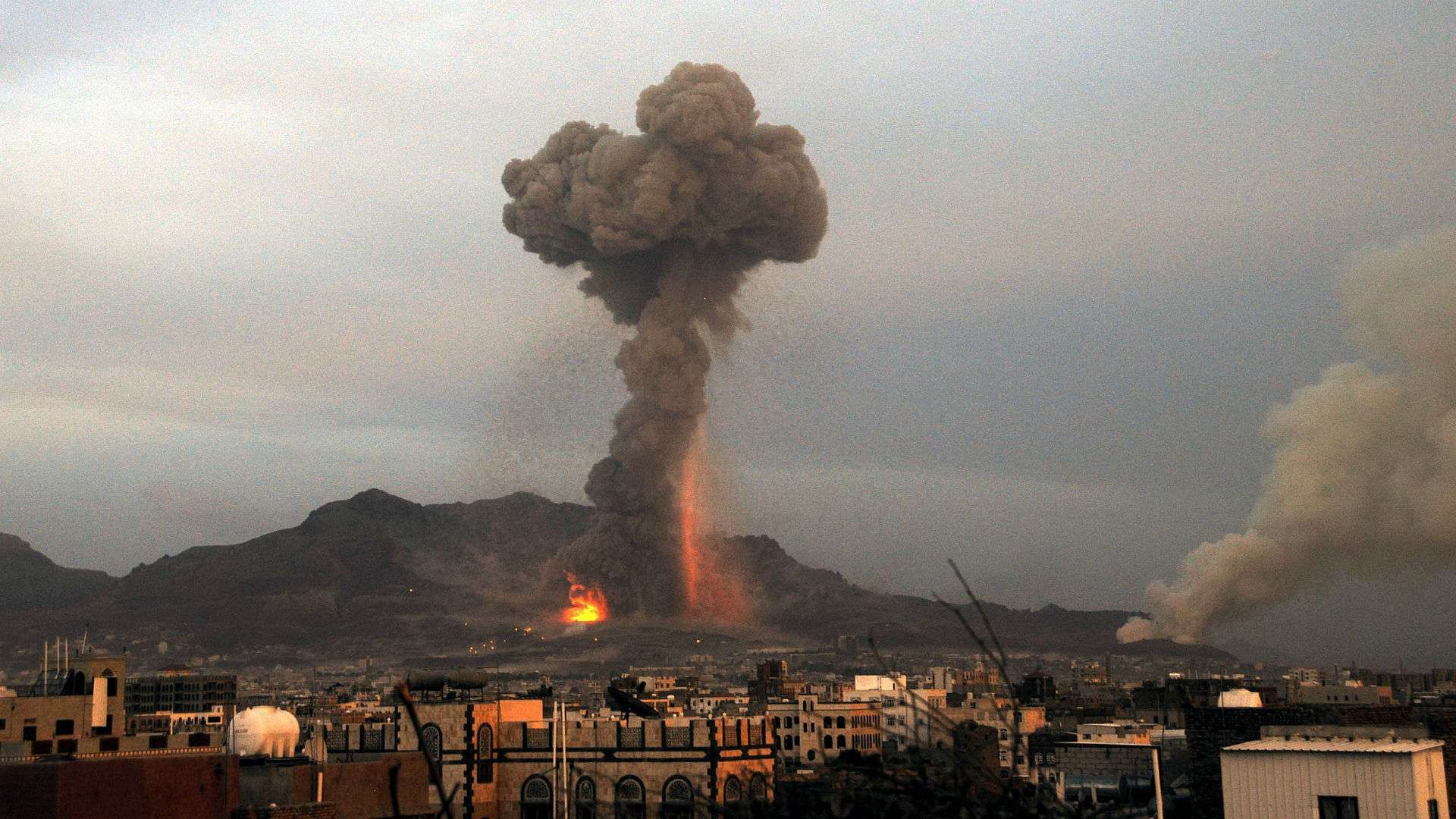
Saudi Arabia has launched airstrikes on what it described as a United Arab Emirates weapons shipment at Yemen’s Al-Mukalla port, in a sharp escalation that has laid bare deepening rifts between the two Gulf allies and fuelled fears of wider regional instability.
Riyadh said the strikes were carried out on Tuesday after intelligence indicated that military equipment linked to Abu Dhabi was being delivered to separatist forces in southern Yemen. Saudi officials accused the UAE of backing armed groups whose recent advances they said pose a direct threat to the kingdom’s national security.
In a rare public rebuke, the Saudi foreign ministry described the alleged Emirati actions as “highly dangerous,” warning that any move undermining Saudi security would cross a “red line” and prompt a firm response. The Saudi-led coalition said it struck weapons and armoured vehicles unloaded from two vessels believed to have arrived from Fujairah, insisting the operation was lawful, targeted and conducted with precautions to avoid civilian casualties.
The UAE flatly denied the allegations. Emirati officials said the shipment did not contain weapons and rejected claims that Abu Dhabi was directing or coercing Yemeni factions to act against Saudi interests. The accusations, they said, were baseless and misrepresented the UAE’s role in Yemen.
The incident comes against the backdrop of rapid territorial gains by the Southern Transitional Council (STC), a UAE-backed separatist movement seeking to restore the former South Yemen. In recent weeks, STC forces have taken control of key areas in Hadramawt and Mahra, advances that analysts say have exposed growing differences with Saudi Arabia, which supports Yemen’s internationally recognised government.
Images circulating from Al-Mukalla after the strikes showed rows of damaged military vehicles, some still burning, as port workers attempted to extinguish fires. Local residents reported shockwaves and damage to nearby buildings, though the coalition said port officials had been warned in advance to evacuate.
Political repercussions followed swiftly. Yemen’s Presidential Leadership Council announced a 90-day state of emergency, suspended a security agreement with the UAE and demanded the withdrawal of Emirati forces from Yemen within 24 hours, alongside an end to financial and military support for separatist groups. The STC, whose representatives sit on the council, rejected the decision, warning it risked igniting a new phase of conflict.
Although Saudi Arabia and the UAE entered the Yemen war as close partners against the Iran-aligned Houthi movement, their interests have increasingly diverged. Tensions have also surfaced in Sudan and across the Red Sea corridor, highlighting a broader strategic competition.
Tuesday’s strike followed reports of Saudi air raids on separatist positions last week and came amid claims that thousands of Saudi-backed fighters have been deployed near the border, underscoring how quickly the alliance has unravelled into open confrontation.