Politics
Mystery deepens as Iran’s new supreme leader Mojtaba Khamenei remains unseen after injury
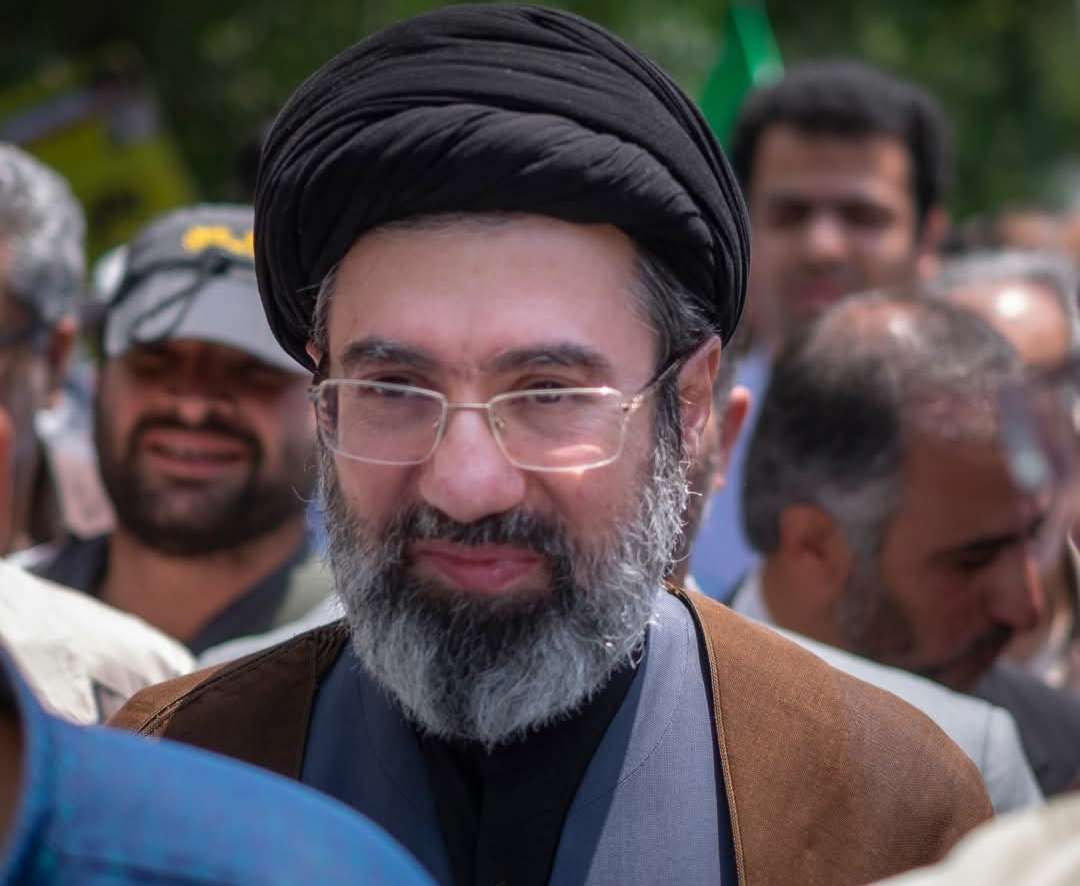
Iran’s newly appointed supreme leader, Mojtaba Khamenei, was reportedly injured during the ongoing conflict but is still capable of carrying out his duties, an Iranian official told Reuters news agency on Wednesday.
The official did not provide details about when or how the injury occurred and offered no explanation for the leader’s absence from public view since news of his appointment emerged, raising fresh questions about his condition.

Another source familiar with the situation told The Jerusalem Post that although Mojtaba was wounded during the conflict, current assessments indicate that he remains able to oversee state affairs and continue functioning as Iran’s leader.
Earlier, Islamic Republic of Iran Broadcasting, Iran’s state television network, reported that Mojtaba had been injured. The broadcast, however, did not disclose the circumstances surrounding the incident, the severity of the injury, or when it occurred.
The report also did not clarify whether the injury has affected his day-to-day responsibilities as head of state.
Despite assurances from Iranian officials that he remains in charge, no photographs or video footage of Mojtaba Khamenei have been released since his reported appointment, fuelling speculation among political observers and critics of the government.
Opposition figures have questioned the prolonged absence of public appearances by the new leader, arguing that it raises doubts about who is actually directing the country’s affairs during the ongoing regional crisis.
Some critics have suggested that another senior figure within the Iranian establishment could be exercising real authority behind the scenes, while Mojtaba acts largely as a symbolic or representative leader.
Mojtaba Khamenei is the son of Iran’s long-serving supreme leader, Ali Khamenei, and has long been viewed as an influential figure within Iran’s political and security circles.
Although he did not hold a formal government position for many years, analysts have widely believed that he wielded significant influence behind the scenes, particularly through close ties to powerful institutions within the country’s political and security establishment.