Politics
Kukah Centre, Yiaga Africa accuse Tinubu of rushing flawed Electoral Act into law
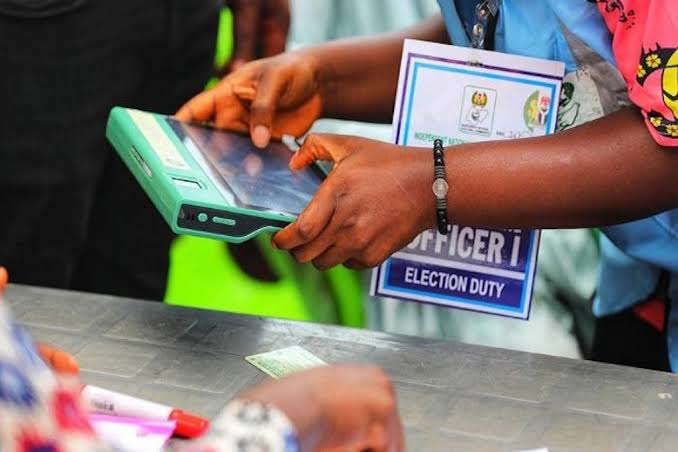
The Kukah Centre, Yiaga Africa and a broad coalition of civil society organisations have criticised President Bola Ahmed Tinubu for assenting to the Electoral Act 2026, warning that the process lacked transparency and could weaken Nigeria’s democratic framework.
The coalition made its position known on Thursday during a press briefing in Abuja held in collaboration with the International Press Centre, TAF Africa, Centre for Media and Society, Nigerian Women Trust Fund and Elect Her.

Speaking on behalf of the alliance, Founder and Chief Executive Officer of TAF Africa, Jake Epelle, said while civil society acknowledges the constitutional authority of the President and the National Assembly, the manner in which the bill was passed and signed into law raises red flags.
According to him, the accelerated legislative process and what he described as limited stakeholder consultation undermined confidence in the reform effort.
“The speed and opacity of the process cast doubt on the sincerity of lawmakers’ commitment to comprehensive electoral reform,” Epelle said. “Granting presidential assent without addressing the substantive legal and technical concerns raised by civil society risks entrenching avoidable weaknesses in our electoral framework.”
A major point of contention for the coalition is the ₦50 million administrative fee introduced for the registration of new political parties under Section 75(6) of the Act. The groups argued that the provision effectively shuts out emerging political movements, particularly youth-driven and grassroots platforms, from participating in Nigeria’s political space.
They also criticised the restriction of party nomination methods to either direct primaries or consensus, warning that such limitations could increase internal party tensions and create openings for manipulation and vote-buying.
Beyond criticism, the coalition issued a series of demands. It called on the National Assembly to immediately publish the final version of the assented law to ensure transparency and legal clarity for political actors and the public.
The groups further urged the Independent National Electoral Commission to release an updated timetable for the 2027 general elections in compliance with the new 300-day notice requirement. They also asked the commission to provide detailed regulations clarifying ambiguous provisions in the Act and to conduct nationwide simulations of electronic transmission of results.
Despite expressing disappointment over the law’s passage, the coalition reaffirmed its commitment to engaging institutions and monitoring the implementation of the Electoral Act ahead of the 2027 polls, stressing that safeguarding democratic integrity remains a collective responsibility.