Business
Fresh fuel hike deepens pressure as Dangote Refinery raises PMS price to N1,350
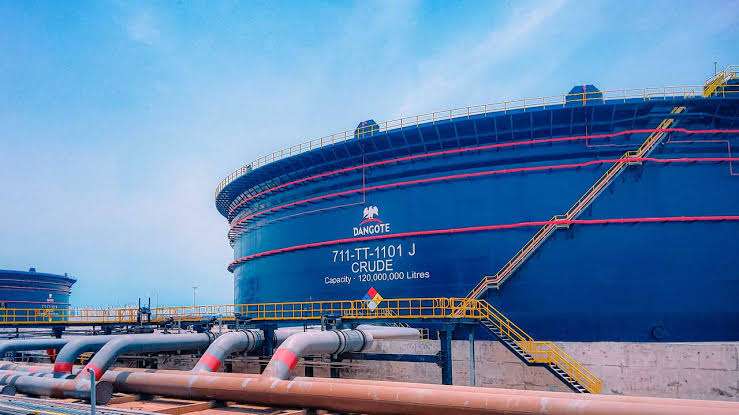
Nigerians are set to contend with rising costs once again after Dangote Petroleum Refinery increased its ex-depot price of petrol to N1,350 per litre, intensifying concerns over inflation and transport fares nationwide.
The adjustment, confirmed on Wednesday by market sources and Petroleumprice.ng, marks a ₦75 jump from the previous ₦1,275 per litre, continuing a pattern of rapid price changes in the downstream sector.

Industry insiders say the new price has already taken effect across all gantry points, forcing depot owners and fuel marketers to revise their pricing templates in response to the higher landing cost.
The latest increase comes just days after a similar ₦75 hike, meaning petrol prices at the depot level have climbed by ₦150 within a week—an unusually sharp rise that underscores mounting volatility in Nigeria’s deregulated fuel market.
Sources within the sector attribute the price surge to a combination of factors, including supply tightness, fluctuations in global crude oil prices, foreign exchange pressures, and logistics costs.
Compounding the situation was a temporary halt in the issuance of pro forma invoices (PFIs) earlier in the week, which traders say disrupted supply flows and created a short-term scarcity that pushed prices upward.
Despite the upward trend, officials within the Dangote Group have previously indicated that the refinery has been cushioning the domestic market by absorbing part of the cost burden on petrol and diesel supplies.
Still, the frequency of adjustments points to a market in transition. Over the past month, the refinery has repeatedly revised its pricing- sometimes downward during periods of stock build-up, but more recently upward as supply conditions tightened and international prices firmed.
Analysts say this reflects the evolving dynamics of Nigeria’s downstream sector, where local refining is gradually replacing imports but remains exposed to global cost drivers.
With Dangote Petroleum Refinery now playing a dominant role in domestic fuel supply, its pricing decisions are increasingly shaping market direction and influencing pump prices across the country.
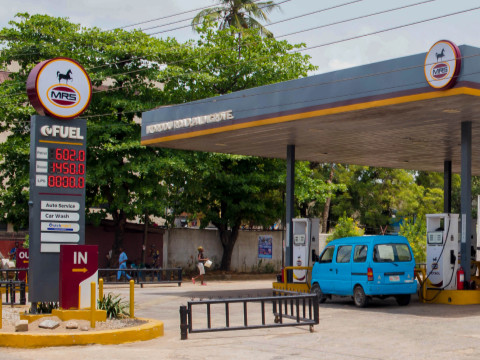
The immediate impact of the latest hike is expected to be felt at filling stations, as marketers pass on additional costs to consumers. This could trigger another round of increases in transport fares and the prices of goods and services.
For households already dealing with high inflation, the development adds to mounting economic pressure. Many commuters and small business operators, who rely heavily on petrol for daily activities, are likely to be among the hardest hit.
As the market adjusts to the new pricing regime, uncertainty remains over how long the upward trend will persist. However, with global oil prices, exchange rates, and supply conditions still in flux, further adjustments in the near term cannot be ruled out.