Business
Abia electricity authority fully enters power market, consumers to pay only for energy used
The Nigerian Electricity Regulatory Commission (NERC) has formally transferred regulatory authority over the Abia electricity market to the Abia State Electricity Regulatory Authority (ASERA), effectively handing the state full control of its power sector from December 24, 2025.
The transfer, conveyed through the Transfer of Regulatory Authority Order, empowers ASERA to regulate, oversee and manage all activities within Abia State’s electricity value chain, including generation, transmission, distribution and trading. With the order now in force, NERC no longer exercises regulatory oversight over electricity operations within the state.
ASERA has also been authorised to issue metering and billing licences, a move aimed at encouraging private sector investment in meter deployment and ensuring that consumers pay only for electricity actually consumed.
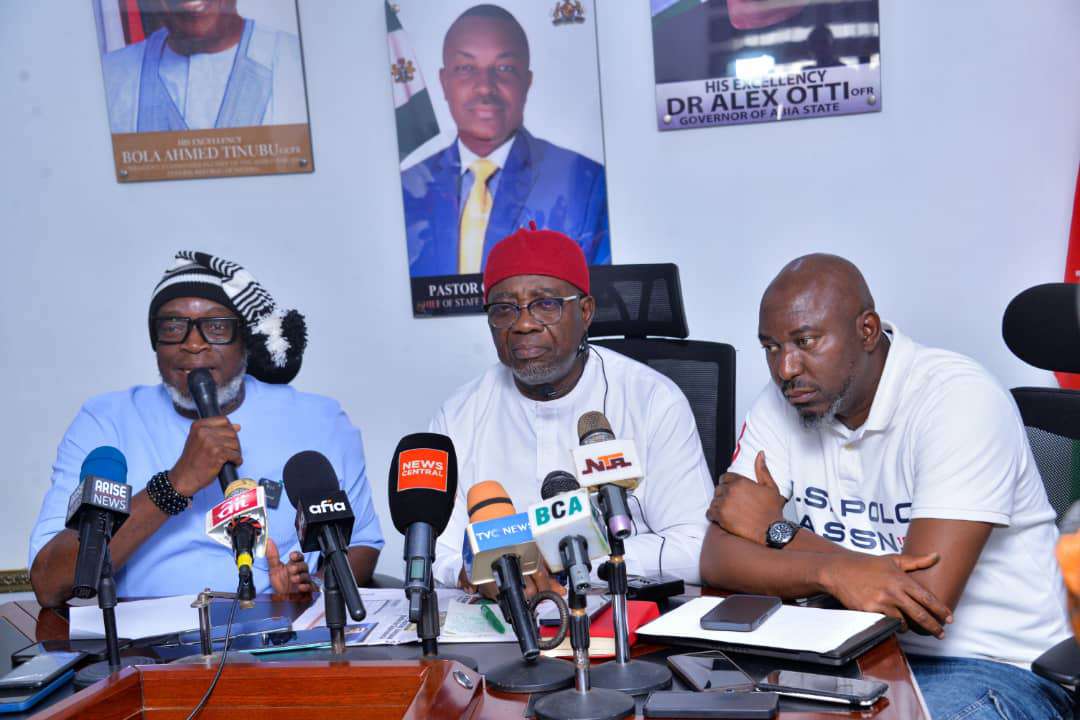
The Chairman and Chief Executive Officer of ASERA, Mr Emeka Onyegbule, and the Commissioner for Power and Public Utilities, Mr Ikechukwu Monday, disclosed the development on Wednesday during a joint press conference at Government House, Umuahia.
They explained that the transfer followed the 2023 constitutional amendment that empowered states to generate, distribute and transmit electricity, leading to the creation of state electricity markets.
Onyegbule said after Abia enacted its electricity law and established ASERA, NERC issued an interim order on June 24, 2025, granting the state a six-month transition period to put the necessary regulatory structures in place.
“That transition involved setting up the institutional framework, appointing the board and equipping the authority to perform the regulatory functions previously carried out by NERC,” he said.
“So today, December 24, 2025, marks a very significant milestone in the life of ASERA, as we completed the six-month transition period yesterday. This development has far-reaching implications for the electricity market we are now set to administer.”
According to Onyegbule, the establishment of ASERA brings electricity regulation closer to consumers and other stakeholders.
“Stakeholders no longer need to wait for NERC to have their complaints resolved. The presence of a state-based regulator will give consumers a stronger voice and ensure they are treated fairly. ASERA is committed to striking a balance between effective regulation and quality service delivery,” he said.
Also speaking, the Commissioner for Information, Prince Okey Kanu, said the progress recorded in the electricity sub-sector was made possible by the enactment of the Abia State Electricity Law 2025.
“The state formally enacted its own Electricity Law in 2025, and based on that law, the government established the Abia State Electricity Regulatory Authority,” he said.
“This is an independent statutory body charged with regulating the Abia electricity market. In line with these developments, NERC issued the interim transfer order authorising ASERA to assume regulatory oversight.”
Kanu described the development as one of the signature achievements of the present administration in Abia State’s electricity ecosystem.
In his remarks, the Commissioner for Power and Public Utilities, Mr Ikechukwu Monday, said the operationalisation of the state electricity market is central to the Abia 25-year Development Plan and the drive for accelerated industrialisation.
“The journey began on March 17, 2025, when Governor Alex Otti assented to the Abia State Electricity Law,” he said.
“Electricity remains critical to economic growth, investment attraction and improved service delivery across the state. The new electricity market has been designed to be world-class, investor-friendly and consumer-focused.”
Monday added that improved metering under the new regulatory framework would promote transparency and fairness, ensuring that consumers pay only for the electricity they actually consume.