Business
FG says Tinubu has not borrowed ₦80tn, blames debt surge on accounting adjustments
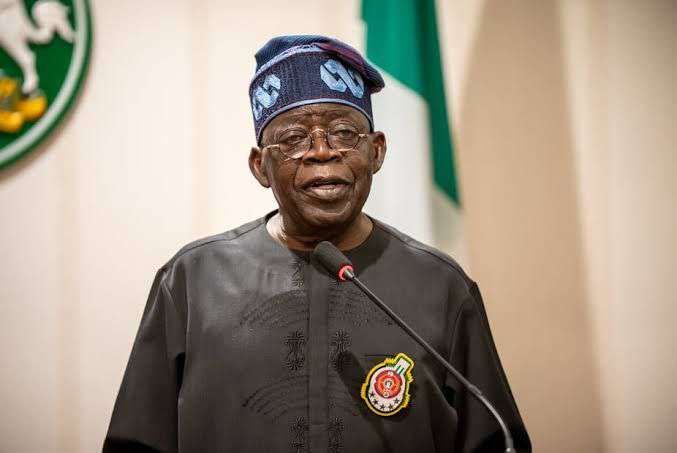
The Federal Government has refuted claims that President Bola Tinubu’s administration borrowed nearly ₦80 trillion within its first three years in office, insisting that the country’s rising debt profile has been largely driven by currency depreciation, debt revaluation and the recognition of pre-existing liabilities.
Minister of Finance and Coordinating Minister of the Economy, Taiwo Oyedele, made the clarification on Monday during an appearance before the Senate Committee on Finance, chaired by Senator Sani Musa, where he briefed lawmakers on the state of the economy.

Responding to concerns raised by senators, including Senator Adamu Aliero, over reports that the administration inherited about ₦75 trillion in public debt and had since added another ₦80 trillion, Oyedele said such comparisons were misleading.
According to the minister, Nigeria’s debt stock at the start of the administration stood at roughly ₦75 trillion, but subsequent increases were significantly influenced by the depreciation of the naira, which sharply raised the local currency value of the country’s external debt.
He explained that exchange rate movements alone added more than ₦40 trillion to the debt profile without the government taking fresh loans.
Oyedele also pointed to the securitisation of the Central Bank of Nigeria’s Ways and Means advances inherited from the previous administration, noting that the National Assembly’s approval to convert the obligations into formal public debt added about ₦33 trillion to the country’s debt stock.
He stressed that the exercise merely reflected liabilities that already existed and should not be interpreted as new borrowing.
The minister further explained that much of the government’s domestic borrowing has been used to refinance maturing obligations rather than accumulate additional debt.
He assured lawmakers that the Tinubu administration remained committed to prudent debt management, maintaining that borrowed funds were being channelled into infrastructure and other productive sectors capable of supporting economic growth.
Oyedele emphasised that the government views borrowing as a financing tool that must deliver economic returns greater than its cost, adding that debt sustainability remains a key priority.
During the session, lawmakers also expressed concern over the pace of implementation of the capital component of the 2026 budget.
Senate Whip Tahir Monguno warned that prolonged delays in executing approved capital projects could raise constitutional concerns, while Senator Aliero urged the executive to accelerate budget implementation.
Responding, Senate Committee on Finance Chairman Sani Musa assured members that capital project execution would gather momentum in the coming months.
He disclosed that the committee was working closely with the government’s economic management team to improve budget performance, adding that reforms under consideration include a transition to performance- and priority-based budgeting as well as a return to payment systems that reward contractors only after verified project execution.