Business
US to hit Nigeria, others with 27.5% tariff hike over forced labour import rules
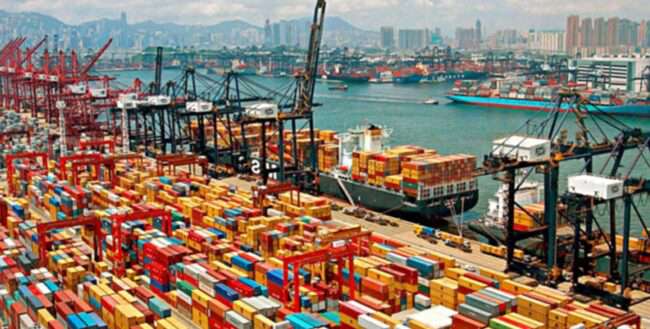
Nigeria could face increased tariffs on exports to the United States after being named among dozens of economies accused of failing to adequately prohibit and enforce restrictions on goods produced with forced labour.
The Office of the United States Trade Representative (USTR) announced that investigations conducted under Section 301 of the U.S. Trade Act of 1974 found that 60 economies maintain policies or enforcement gaps that allow the importation of goods linked to forced labour, creating what Washington described as an unfair disadvantage for American businesses and workers.
Under the proposal, Nigeria and several other affected countries could be subjected to an additional 12.5 per cent tariff on exports to the U.S. market. Combined with the existing 10 per cent baseline tariff introduced under President Donald Trump’s reciprocal trade policy, the measure would raise the effective tariff burden on Nigerian exports to 27.5 per cent if approved.
Announcing the findings, U.S. Trade Representative Jamieson Greer said countries that fail to curb forced labour-related trade practices undermine fair competition and place American producers at a disadvantage.
“The failure of our most important trading partners to address the importation of goods made with forced labour is unacceptable,” Greer said, adding that all trading partners must take stronger steps to ensure global trade does not encourage exploitative labour practices.
According to the USTR report, Nigeria is among 54 economies found to have neither implemented nor effectively enforced comprehensive prohibitions against the importation of goods produced through forced labour.
Other African nations listed include Algeria, Angola, Egypt, Libya, Morocco and South Africa.
The U.S. agency argued that weak controls on forced labour imports allow businesses benefiting from exploitative labour conditions to produce goods at lower costs, thereby distorting international competition and undermining companies that comply with recognised labour standards.
The investigation extends beyond Africa, affecting several major economies across Asia, Europe, the Middle East and the Americas. Countries identified include China, India, Japan, South Korea, Bangladesh, Malaysia, Thailand, Vietnam, Saudi Arabia, Qatar, Kuwait, Brazil, Argentina, Israel, the United Kingdom, Switzerland, Norway and Australia.
The USTR also cited six economies — Canada, Ecuador, Indonesia, Mexico, Pakistan and the European Union — as having legal prohibitions against forced labour imports but failing to enforce them effectively.
Under the proposed tariff framework, countries that already have forced labour import bans, have committed to implementing such measures through reciprocal trade agreements, or maintain partial restrictions could face an additional 10 per cent duty on exports to the United States.
Countries without such measures, including Nigeria, would face the higher 12.5 per cent tariff.
The USTR is also considering a special mechanism for textile and apparel imports that would permit limited quantities from certain economies to enter the U.S. market at reduced tariff rates under the Section 301 framework.
The investigations were launched on March 12, 2026, and involved extensive consultations with stakeholders. According to the agency, nearly 60 witnesses provided testimony, while about 500 written submissions and rebuttals were reviewed before the determination was reached.
Although the proposed tariffs have not yet taken effect and remain subject to public consultation, analysts say the move could have significant implications for export-dependent economies, including Nigeria, if implemented.
The USTR maintained that the proposed measures are intended to address labour-related trade distortions and should not be viewed as part of broader reciprocal tariff policies, but rather as targeted actions aimed at strengthening global compliance with anti-forced labour standards.