Business
Nigeria rejects $50bn IMF facility amid rising debt concerns
The Federal Government has ruled out any plan to access a proposed $50bn support package being prepared by the International Monetary Fund (IMF), insisting that Nigeria will not take on additional borrowing obligations from the global lender.
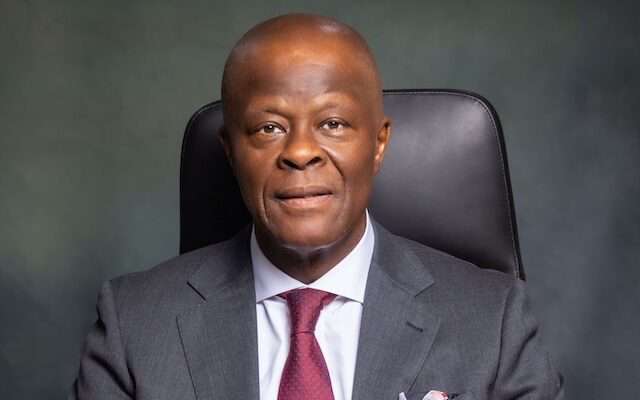
Minister of Finance and Coordinating Minister of the Economy, Wale Edun, disclosed this on Thursday while addressing journalists on the sidelines of the ongoing World Bank/IMF Spring Meetings in Washington, D.C.

Edun’s remarks came in response to the IMF’s plan to mobilise between $20bn and $50bn in fresh support for countries facing economic headwinds, particularly in Sub-Saharan Africa, amid heightened global uncertainty.
However, the minister was categorical when asked whether Nigeria would consider drawing from the facility.
“Nigeria has no plan at the moment to approach the IMF for any other such burden,” he said, signalling the government’s reluctance to add to its external debt exposure through IMF borrowing.
The position comes at a time of renewed scrutiny over Nigeria’s debt profile. Figures reported by Business Hallmark indicate that the country’s total public debt rose to N159.28 trillion as of December 31, 2025, marking a 3.9 per cent increase from N153.29 trillion recorded at the end of September.
The steady rise in debt has continued to fuel public debate on fiscal sustainability, particularly as the government also leans on external funding to finance key development priorities.
Earlier, the World Bank approved fresh loans worth $1.57bn for Nigeria, targeted at strengthening human capital development, with emphasis on improving health outcomes for women, children and adolescents.
Despite the inflows from other multilateral institutions, the Federal Government is now distancing itself from additional IMF financing, even as global lenders expand emergency support mechanisms for vulnerable economies.
IMF Managing Director Kristalina Georgieva had earlier explained that the proposed funding window is designed to help countries navigate worsening global shocks, including geopolitical tensions that are disrupting energy markets and supply chains.
She warned that delays in accessing financial assistance could deepen economic stress, noting that at least a dozen countries – many in Africa – are expected to require support under the initiative.
Georgieva also projected that global growth could slow to about 2.1 per cent in 2026, down from 3.4 per cent last year, with further downside risks if geopolitical tensions persist.
While acknowledging mounting pressure on African economies, especially oil-importing nations, Nigeria maintained that it would not participate in the IMF facility, reinforcing its stance against further external borrowing from the institution.