Nation
Middle East war risks long grind as US-Israel strikes deepen, Iran vows six-month fight

The conflict between the United States, Israel and Iran is showing signs of turning into a prolonged war, with Washington’s objectives still unclear and Tehran’s Revolutionary Guards warning the country can sustain intense fighting for up to six months.
The war, which entered its second week, has already widened across the Middle East, triggering missile and drone attacks in several countries and raising fears of a broader regional escalation that could threaten global energy supplies.
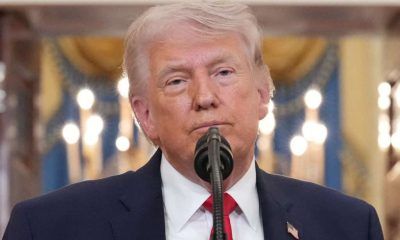
Uncertainty about how the conflict might end became evident during discussions at the White House this week between US President Donald Trump and German Chancellor Friedrich Merz.
According to officials familiar with the conversation, Merz pressed Trump on how he envisioned the war concluding, but the US leader did not provide a clear answer.
The lack of clarity reflects growing concern among US lawmakers and allied governments about Washington’s long-term strategy in the conflict.
While the United States Department of Defense has indicated that its mission is narrowly focused on destroying Iran’s ballistic missile launchers, Trump has suggested broader goals.
The president has repeatedly said the war could end only when Iran’s leadership effectively submits to what he has described as “unconditional surrender”.
White House Press Secretary Karoline Leavitt said Trump would ultimately determine when Iran no longer poses a threat to the United States and its allies.
However, some lawmakers say the administration has yet to clearly explain how victory would be measured or what would follow if the Iranian government collapses.
Senator Jeanne Shaheen warned that mixed signals from the administration have raised serious questions about the direction of the war.
“We’ve heard mixed messages about what the strategy is here, what the endgame is here, and how we’re going to get out of Iran,” she said.
Military officials say the conflict is entering a new and potentially more intense phase.
According to Dan Caine, US forces will begin striking deeper inside Iranian territory in an effort to further weaken the country’s military infrastructure.
Caine said Iranian missile launches have fallen sharply since the campaign began, with ballistic missile launches declining by 86 per cent and drone attacks dropping by 73 per cent.
Some analysts believe those reductions may largely reflect the destruction of Iranian command and control centres during the early stages of the war.
Behind the scenes, Washington has also explored supporting opposition forces inside Iran.
Sources say the Central Intelligence Agency has held discussions with several Iranian Kurdish factions about the possibility of launching a ground offensive that could trigger a broader uprising against the government.
One of the groups involved in those discussions is the Kurdistan Free Life Party (PJAK), which has expressed support for the US-Israeli campaign but warned that regime change cannot be achieved through air strikes alone.
PJAK co-chair Amir Karimi said the group has urged Washington to support democratic forces within Iran rather than impose a political solution from outside the country.
Meanwhile, Trump has reportedly held calls with Kurdish leaders in both Iran and Iraq as the United States explores possible allies on the ground.
Despite reports that Iran had signalled interest in opening talks to end the war, US officials say Washington is not currently pursuing negotiations.
Several countries have offered to mediate, but US officials insist the military operation must run its course before diplomacy can begin.
Iran, however, has indicated that it is prepared for a long confrontation.
The Islamic Revolutionary Guard Corps said Sunday that Iranian forces could sustain the current pace of fighting for six months.
Spokesman Ali Mohammad Naini said Iran had so far relied largely on older missile systems but could deploy more advanced long-range weapons in the coming days.
The war has already triggered a series of retaliatory attacks across the Middle East.
Saudi Arabia said it intercepted more than a dozen drones headed toward Riyadh, while Qatar reported that Iran fired ballistic and cruise missiles toward its territory.
Air defence systems in the United Arab Emirates also intercepted incoming missiles and drones, while explosions were reported in Baghdad and Erbil.
In Kuwait, authorities said a strike hit fuel storage facilities at the country’s international airport, heightening concerns about aviation fuel supplies and energy infrastructure in the region.
Iran has also accused the United States and Israel of targeting oil facilities in Tehran, while global oil markets have reacted nervously to potential disruptions in the Strait of Hormuz, through which about one-fifth of the world’s oil supply passes.
The conflict was triggered after joint US-Israeli strikes reportedly killed Iran’s supreme leader Ali Khamenei, sparking retaliatory missile attacks across the region.
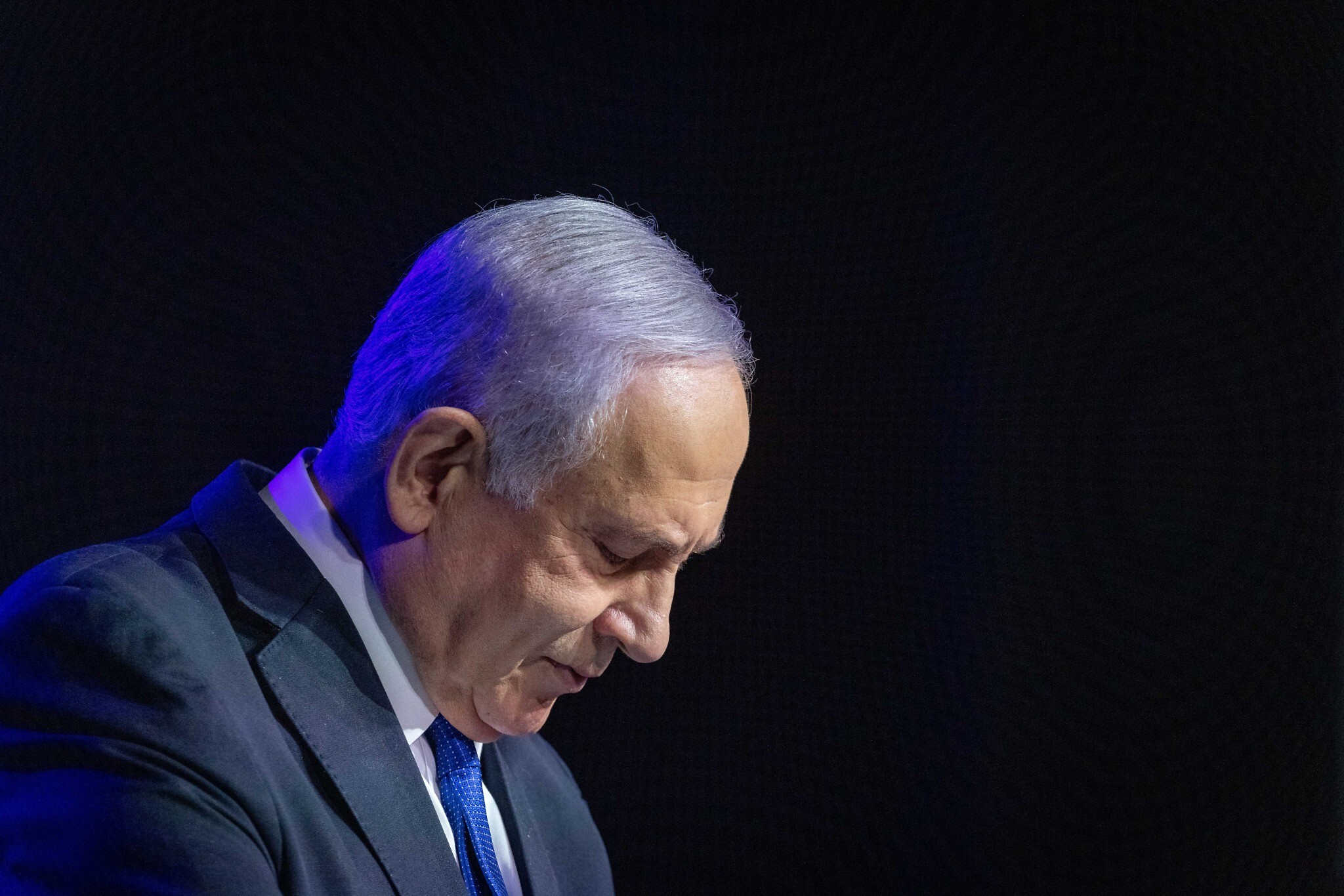
Israeli Prime Minister Benjamin Netanyahu has vowed to continue military operations against Iran “with all our force” until its leadership is dismantled.
Inside Iran, the human toll continues to rise. The country’s health ministry said at least 926 civilians have been killed and about 6,000 wounded since the fighting began, though those figures could not be independently verified.
Analysts warn that without a clear diplomatic path to de-escalation, the conflict could drag on for weeks or even months.
China has already called for restraint. Speaking in Beijing, Wang Yi said the war in the Middle East “should never have happened” and warned that the international community must avoid a return to what he described as “the law of the jungle.”