
Headlines
Senate rejects Atiku, Obi, others’ call for fresh Electoral Act Amendment
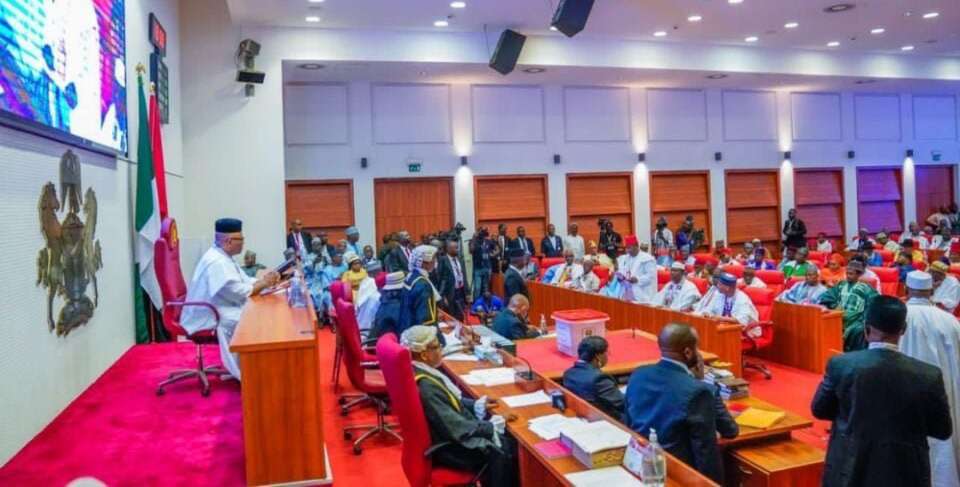
The Senate on Thursday dismissed calls by former Vice-President Atiku Abubakar, former Anambra State governor Peter Obi, and other opposition leaders for an immediate amendment of the Electoral Act 2026, insisting that any review must follow due legislative process.
Reacting to demands by leaders of the African Democratic Congress (ADC) and the New Nigeria Peoples Party (NNPP), the Senate advised them to channel their concerns formally through members of the National Assembly rather than escalate political tensions through public agitation.
Senate spokesman, Senator Yemi Adaramodu, described the call for a fresh amendment as belated, noting that the law had already been duly passed by the legislature and assented to by President Bola Tinubu.
“Electoral Act again? Do you abort a pregnancy after the naming ceremony?” Adaramodu said. “If they have any grey areas, they should forward their proposals to their legislators. Once such proposals are formally presented before the National Assembly, we will consider them.”
Also weighing in, Senator Orji Uzor Kalu, Chairman of the Senate Committee on South-East Development Commission, stressed that the authority to amend the Electoral Act lies solely with the National Assembly.
“Review which Electoral Act? Something that Mr President has assented to? No. It is the decision of the National Assembly to make, not an individual thing,” Kalu said.
He cautioned opposition figures against what he termed “inflammatory rhetoric,” warning that such statements could destabilise the polity.
“The opposition should stop heating up the polity. If they are not comfortable with the current administration, they should prepare to contest in 2027 and test their popularity at the polls,” he added.
The Senate’s response follows a press conference in Abuja where opposition leaders criticised certain provisions of the Electoral Act 2026, particularly those relating to party primaries and electronic transmission of results. They argued that the new law restricts political parties to direct primaries and consensus arrangements and grants discretionary powers to presiding officers in the transmission of results.