Business
Dangote refinery backs gantry loading, warns coastal evacuation could raise fuel prices to N1,000

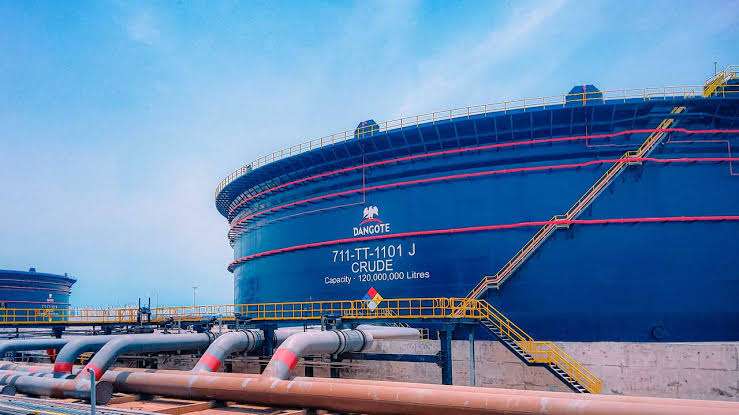
Dangote Petroleum Refinery has restated its commitment to supplying petroleum products at competitive and affordable prices, urging marketers and policymakers to adopt logistics options that help stabilise prices and protect consumers.
The refinery said it has invested heavily in distribution infrastructure, including a gantry facility with 91 loading bays capable of dispatching up to 2,900 tankers daily. Operating round the clock, the facility can evacuate more than 50 million litres of Premium Motor Spirit (PMS), 14 million litres of Automotive Gas Oil (diesel) and other refined products each day.
Although open to coastal loading where necessary, the refinery maintained that gantry loading remains the most cost-effective and operationally efficient method of product evacuation. It explained that direct gantry loading avoids port charges, maritime levies and vessel-related expenses that ultimately do not benefit end users, thereby helping to lower distribution costs and support price stability.
Dangote Refinery noted that marketers are free to choose their preferred evacuation method, with PMS and other products offered at competitive gantry prices. However, it warned that heavy reliance on coastal delivery, especially within Lagos, could introduce avoidable costs with serious implications for fuel pricing and consumer welfare.
According to the refinery, coastal logistics could add about N75 per litre to the cost of petrol. If passed on to consumers, this could push PMS pump prices close to N1,000 per litre.
Using Nigeria’s average daily consumption figures of about 50 million litres of PMS and 14 million litres of diesel, the refinery estimated that sustained dependence on coastal evacuation could add roughly N1.752 trillion annually to distribution costs, a burden that would ultimately fall on producers or consumers.
The company also renewed its call for coordinated investments in pipeline infrastructure nationwide, arguing that effective pipelines linking refineries to depots would significantly reduce distribution costs, enhance supply reliability and strengthen national energy security.
Responding to claims that it imports finished petroleum products, the refinery dismissed the allegation as misleading. It clarified that while its Residue Fluid Catalytic Cracking Unit is undergoing maintenance, it only imports intermediate feedstock in line with global industry practice. It challenged anyone with evidence of finished product imports to present it to the relevant regulatory authorities, describing the claims as attempts to justify continued fuel importation.
Dangote Refinery said local refining has already delivered tangible benefits, noting that diesel prices have dropped from about N1,700 per litre to around N1,100 and now trade between N980 and N990. Similarly, PMS prices have fallen from about N1,250 per litre to between N839 and N900.
It added that increased domestic supply has reduced fuel imports, eased pressure on foreign exchange and improved market stability, contributing to a stronger naira, which recently traded at about N1,385 to the dollar.
The refinery reiterated its commitment to efficiency, transparency and price stability in Nigeria’s downstream petroleum sector, urging stakeholders to support logistics and distribution choices that align with national economic interests and long-term consumer benefits.