Nation
Paradigm Initiative Engages Over 1,300 Stakeholders in Digital Rights Drive Across Africa
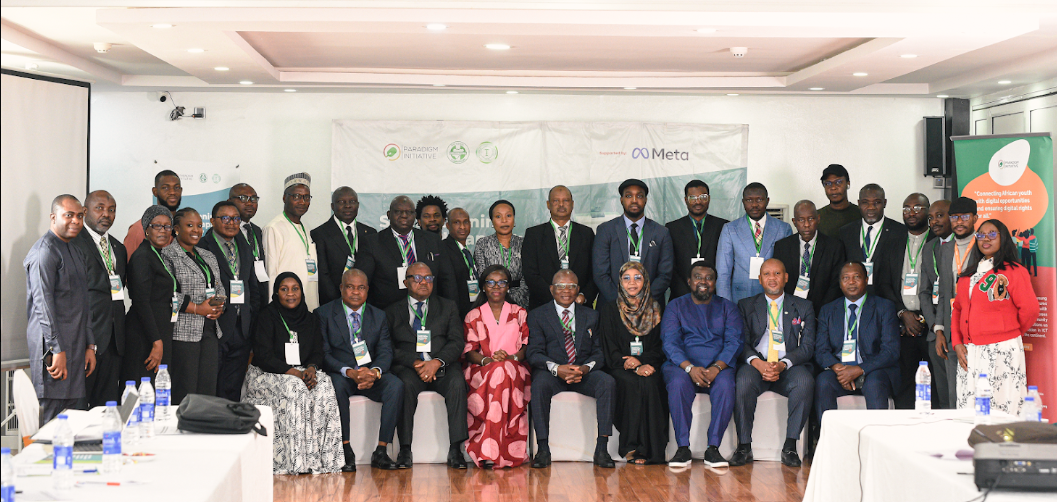
Paradigm Initiative (PIN), a pan-African organisation promoting digital rights and inclusion, has announced that it engaged more than 1,300 stakeholders across 11 African countries during the second quarter of the year through a series of training programmes, policy dialogues and stakeholder forums aimed at advancing digital rights and digital inclusion.
According to the organisation, the initiatives comprised 26 engagements focusing on election integrity, judicial capacity development, digital literacy, policy advocacy and inclusion, bringing together government officials, civil society groups, legal practitioners, journalists, academics and community representatives.

Among the key interventions was a judicial capacity-building programme implemented in partnership with Meta, during which 35 judges in Lagos were trained in two cohorts on data protection, privacy, artificial intelligence and the use of digital evidence in legal proceedings.
PIN said the programme was designed to strengthen the judiciary’s ability to adjudicate disputes arising from Nigeria’s growing digital ecosystem.
The organisation also expanded its Digital Rights and Elections in Africa Meetings (DREAM) to Ethiopia, The Gambia and Zambia, where 110 representatives of civil society organisations, media professionals and election management bodies received training on monitoring digital rights violations and safeguarding online civic space during election periods.
Through its Digital Rights Academy (DRA), the organisation trained more than 100 lawyers, advocates and law students from Cameroon, the Republic of Congo, Ghana, Nigeria, Tanzania and Zimbabwe on strategic litigation and legal accountability in cases involving digital rights abuses.
As part of its policy advocacy efforts, Paradigm Initiative convened a Digital Policy Engagement Roundtable involving 34 participants, including organisations representing persons with disabilities, to discuss ways of improving accessibility and inclusion in digital policy frameworks.
The organisation also organised Afrocities roundtables in Nigeria and Tanzania, bringing together about 80 stakeholders to examine how informal sector workers can access digital social protection programmes and financial services more effectively.
In Zambia, a ministerial roundtable focused on aligning the country’s digital development priorities with the objectives of the World Summit on the Information Society (WSIS+20) review process.
During the quarter, PIN also implemented the Digital Rights and Inclusion Board Learning Experience (DRIBLE) Ambassadors Training in Cameroon, Nigeria and Senegal, reaching 315 participants with practical approaches to digital rights education and inclusion.
The programme, according to the organisation, was designed to strengthen participants’ capacity to deliver digital rights awareness using interactive and experiential learning methods.
The quarter’s activities culminated in the Digital Rights and Inclusion Forum 2026 (DRIF26), held in Abidjan, Côte d’Ivoire, under the theme “Building Inclusive and Resilient Digital Futures.”
The forum attracted 415 participants from more than 39 countries, including policymakers, civil society organisations, technology experts, legal practitioners, journalists, academics, human rights advocates and development partners.
PIN said the forum provided a platform for dialogue, collaboration and knowledge sharing on emerging issues affecting digital rights, inclusion and the future of Africa’s digital ecosystem.