Business
Nigeria data centre market to hit $1.09bn by 2031
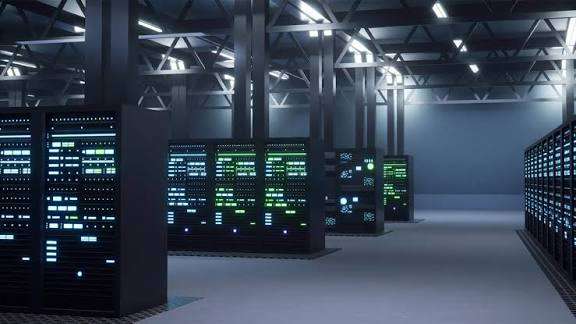
The Nigeria Data Centre Market is expected to grow from $288million in 2025 to about $1.09billion by 2030, rising at a Compound Annual Growth Rate (CAGR) of 24.99 per cent.
According to a new report by Research and Markets tagged: “Nigerian Data Centre Market- Investment Analysis & Growth Opportunities 2026-2031″, Nigeria currently hosts around 20 co-location data centres, with the majority concentrated in Lagos, the country’s primary digital hub.

It stated that the number of third-party data centre facilities in Nigeria is steadily growing.
According to the report, major co-location operators active in the Nigerian market include; Africa Data Centres, Open Access Data Centres, 21st Century Technologies, Equinix, Digital Realty, and Rack Centre. In addition, new players such as Airtel Africa, Kasi Cloud, UniCloud Africa, and BDIC have recently entered the market, and their growing presence is expected to intensify competition over the next few years.
“Currently, retail co-location dominates the market, holding a larger share and greater installed capacity than wholesale offerings. Industries such as media & entertainment, tourism, education, healthcare, oil & gas, and retail are significant contributors to the rising demand for retail co-location services.
“Nonetheless, the wholesale co-location demand is expected to accelerate, driven by increasing adoption of cloud services, with cloud providers anticipated to host part of their workloads through wholesale co-location facilities”, it stated.
The report added that Nigeria currently hosts eight operational submarine cables, which collectively enable high-speed connectivity, reduce latency, and meet the rising demand for broadband and cloud services as critical components of the nation’s fast-growing digital economy.
“In March 2025, Globacom, in partnership with the Ministry of Communications, Innovation, and Digital Economy, hosted the International Submarine Cable Resilience Summit in Abuja.
This event highlighted the need for enhanced resilience following the March-April 2024 West Africa submarine cable disruptions, when multiple systems, including WACS, ACE, SAT-3, and MainOne, were damaged. During these outages, the Glo-1 cable, operational since 2010, demonstrated remarkable reliability,” it stated.
According to the report, Nigeria is accelerating its shift toward AI and digitization, supported by advances in cloud computing, data centres, and supercomputing capabilities for climate research.
The country is leveraging AI to enhance productivity across sectors, while prioritizing renewable energy and sustainable digital solutions.
For instance, in February 2025, Microsoft announced an initiative to train one million Nigerians in AI skills, aligning with forecasts that AI could add $15 billion to Nigeria’s GDP by 2030