Entertainment
Awoof Nation: How entitlement is undermining Nigeria’s image and economy
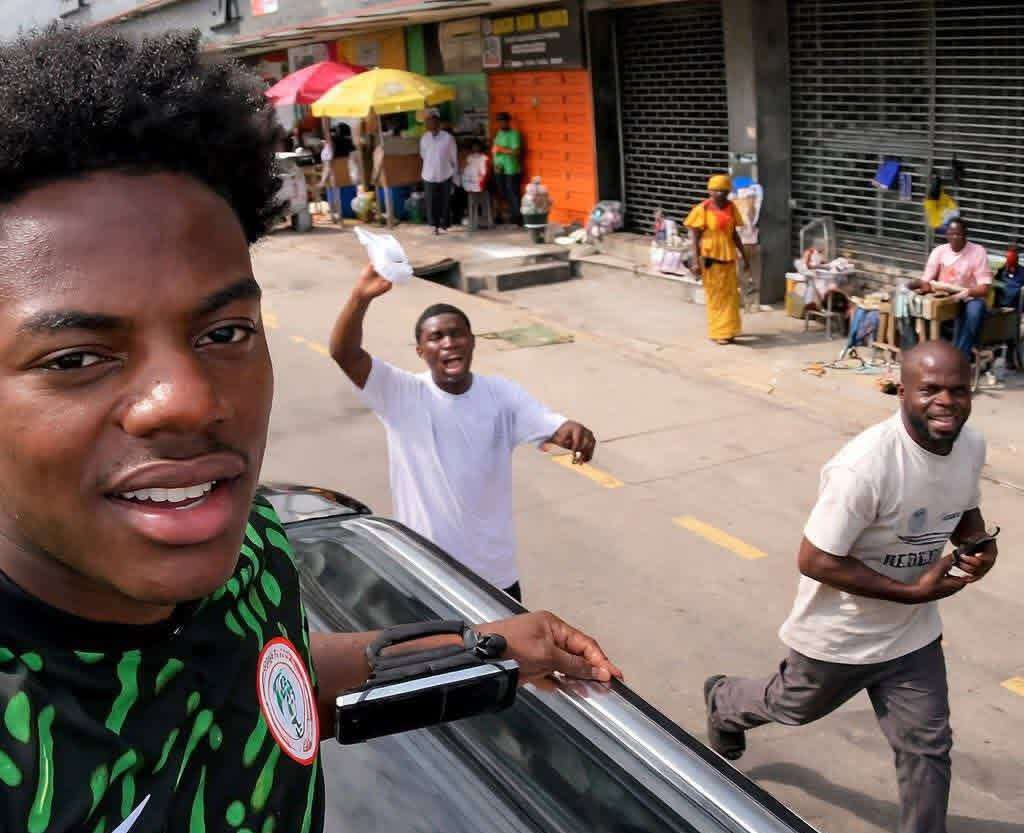
In Nigeria, asking for money without shame has increasingly become a way of life. What was once an occasional response to hardship is now woven into daily interactions, how people relate to one another, to institutions, and even to visitors.
The recent visit of American streamer Darren Watkins Jr., popularly known as IShowSpeed, to Lagos in the third week of January 2026 exposed this reality in uncomfortable detail.

Speed’s stay was brief but chaotic. Instead of warmth or structure, he was met with unruly crowds, aggressive demands for cash, and little genuine hospitality. Shortly after leaving Nigeria for the Benin Republic, he deleted all Nigeria-related posts from his X account,a quiet but telling expression of disappointment. The episode points to deeper national issues: short-term thinking driven by poverty, weakened education systems, and leadership failures. It also raises a hard question,can Nigerians still build sustainable wealth through effort and planning, or has waiting for handouts become the preferred option?
With over 50 million YouTube subscribers, IShowSpeed’s African tour included South Africa, Eswatini, Rwanda, Kenya, and Nigeria. In Lagos, things unraveled almost immediately. Less than an hour after landing, he encountered street touts openly demanding money. One moment stood out: a self-proclaimed “strongest man in Nigeria” appeared on Speed’s livestream. Speed offered him $1,000 to lift his spirits. The man rejected it and demanded $10,000 instead. When Speed countered with $500, the man walked away empty-handed.
The clip went viral, amassing over a million views across Instagram and YouTube. For many viewers, it symbolized a troubling mindset,seeing foreigners not as partners for exchange or opportunity, but as walking ATMs meant to be drained.
This attitude reflects what is often described as Nigeria’s “awoof” culture: a preference for freebies over earned value. After Speed’s visit, several content creators highlighted how Nigeria squandered a rare opportunity to showcase its culture. X user @MayGistv noted that other countries curated experiences,races, zoos, traditional dances, tribal meetings,while Nigeria offered mostly noise and ego. Another post by @KcIvonye observed that Benin Republic learned from Nigeria’s mistakes and delivered a better experience, earning record livestream numbers and global goodwill.
Writer Elnathan John captured this national psychology in his 2023 essay, “Blessed Are the Shameless.” He wrote:
“Blessed are the shameless, for their reward shall come in buckets… now-now.”
John argues that because the future feels uncertain in Nigeria, people grab whatever they can in the present. Begging permeates every level of society,from religious spaces promising miracles, to politicians sharing small cash for votes. The slow rewards of education, skill, and structured work are often dismissed as inferior to instant gain. The bodybuilder who rejected $1,000 mirrors this logic: nothing was preferable to a “miracle” payout.
Other commentators echo this view. HR professional Funmilayo Adeyemi wrote on Facebook that the problem goes beyond poverty. “It’s entitlement,” she said, noting that many beggars would refuse work because they believe others owe them money. Activist Iniruo Wills has described government handouts as tools to protect political loyalists, turning amnesty programs into shields for thugs. Even musician Zlatan Ibile has complained on TikTok about constant financial demands, saying they drain creativity and stall growth.
Economically, this culture is costly. Treating every visitor as a cash cow discourages tourism and investment. Speed’s visit could have generated millions of views, ad value, and spending, but disorder cut it short to barely a day. This mentality mirrors the egbon adugbo and omo onile problem, where local enforcers extort builders and event organizers. In Lagos, omo onile groups demand arbitrary fees ,sometimes ₦500,000 for foundation or roofing approvals, stalling projects worth billions. A 2024 Land Republic report estimated that this menace costs Nigeria’s real estate sector over ₦100 billion annually.
Street urchins also play a role, often exploited by political elites. During elections, politicians hire them for ₦5,000 to ₦10,000 to disrupt polling units or guard rallies. In the 2023 elections, over 200 cases of election-related thuggery were reported in Lagos alone. Governments tolerate this because these groups serve as cheap political tools, but the result is normalized extortion, insecurity, and the suffocation of small businesses.
The contrast with Benin Republic was striking. On January 23, 2026, Speed was welcomed in Cotonou with organized dances and cultural rituals. He visited the Door of No Return in Ouidah, toured sacred Vodun shrines, joined masquerades, explored beaches, and learned local history. Videos from the trip showed no aggressive cash demands,only structured experiences. Livestreams peaked at over one million viewers, turning Speed’s presence into free global advertising for Benin’s tourism sector.
The lesson is clear. Nigeria’s culture of begging,fueled by entitlement, poor planning, and a fixation on quick wins, is unsustainable. It amplifies the loudest but least productive voices, rewarding clout over contribution. IShowSpeed’s visit should serve as a warning. Treat visitors with dignity and structure, and wealth can follow. Ignore it, and the so-called Giant of Africa risks remaining trapped in disorder of its own making.