Politics
Atiku dismisses Obasanjo’s bribery allegation, says claim driven by 2027 politics
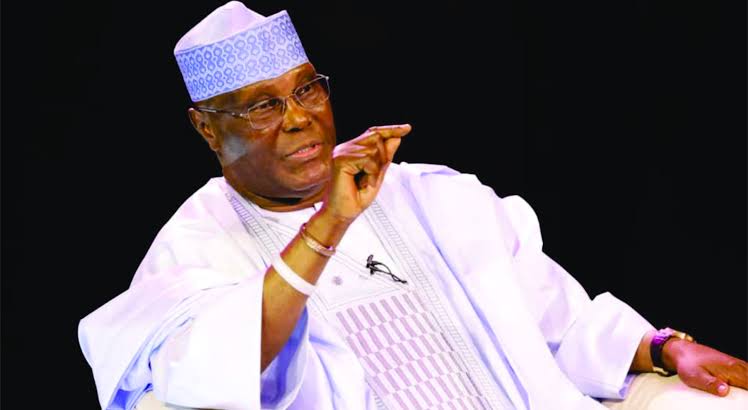
Former Vice President and African Democratic Congress (ADC) presidential candidate, Atiku Abubakar, has rejected former President Olusegun Obasanjo’s allegation that he bribed the late former Speaker of the House of Representatives, Ghali Umar Na’Abba, in an attempt to impeach him, describing the claim as politically motivated.
In a statement issued on Friday by his Senior Special Assistant on Public Communication, Phrank Shaibu, Atiku argued that the allegation was intended to damage his reputation while promoting the political interests of Obasanjo’s preferred candidate ahead of the 2027 presidential election.

According to the former vice president, the timing of the allegation was not coincidental.
“Coming at a time when the political landscape ahead of the 2027 general election is taking shape, the obvious objective is to besmirch my person and reputation and confer an undeserved political advantage on the former President’s kinsman. Nigerians, however, know better. They are too discerning to be distracted by stale allegations resurrected for political convenience,” the statement read.
Atiku challenged Obasanjo to openly declare his political preference instead of making allegations that cannot be independently verified.
“If former President Obasanjo has chosen to take a political position ahead of 2027, he should simply declare it and allow Nigerians to judge it on its merits, rather than attempting to influence public opinion through allegations that can no longer be tested because the principal witness is no longer alive,” he said.
The ADC flag bearer also questioned why the former president waited until after Na’Abba’s death to make the allegation, arguing that doing so denied the late lawmaker the opportunity to respond.
He further maintained that the accusation had never been established through any judicial process or official investigation.
“If there was indeed evidence of any criminal conduct as alleged, Nigerians are entitled to ask why no action was taken at the time by a government that wielded the full powers of the Nigerian state,” Atiku stated.
The former vice president also revisited his long-running political differences with Obasanjo, attributing the former president’s alleged resentment to his opposition to the controversial third-term agenda during the Obasanjo administration.
“Rather than surrender democratic principles on the altar of personal ambition, I defended the Constitution and successfully asserted my rights through the courts in a series of landmark legal victories against a sitting President. Those battles are now part of Nigeria’s democratic history. It is evident that the bitterness arising from that defining period has failed to leave former President Obasanjo,” he said.
Atiku added that he would not be distracted by disputes over past political events at a time Nigerians were grappling with pressing national challenges, including economic hardship, insecurity, unemployment and hunger.
He said his focus remained on presenting credible policy alternatives, strengthening democratic institutions, promoting accountability and working with other stakeholders to provide what he described as transparent and people-centred leadership for the country.