Business
Nigeria wastes 38m tonnes of food yearly, highest in Africa – EU raises alarm
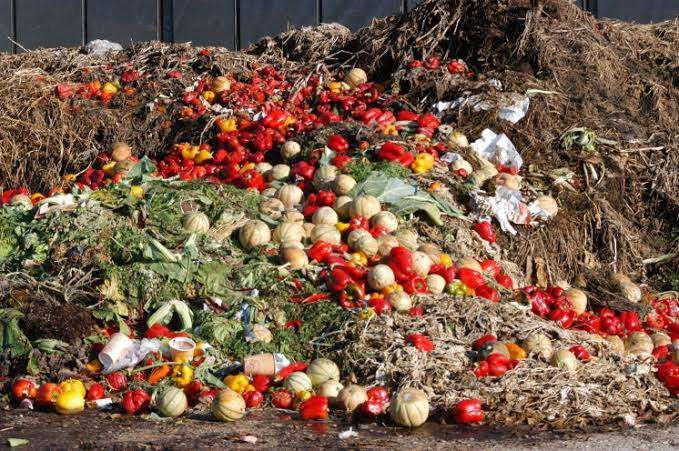
Nigeria has emerged as the largest food waster in Africa, losing an estimated 38 million tonnes of food annually despite rising hunger and food insecurity in the country.
The European Union disclosed this on Monday while urging Nigeria to take urgent steps to curb food waste and promote sustainable consumption and production.

The call was made during the commemoration of the International Zero Waste Day held in Abuja with the theme, “Food Waste Reduction – Minimisation and Valorisation.” The event was organised with support from the Federal Government and the United Nations Industrial Development Organisation (UNIDO).
Speaking at the gathering, Deputy Ambassador of the EU Delegation to Nigeria and ECOWAS, Zissimos Vergos, said the scale of food waste in Nigeria represents not only a loss of food but also a waste of the resources used to produce it.
According to him, when food is wasted, the water, energy, labour and capital invested in producing it are equally wasted, while the practice contributes to environmental degradation and climate change.
Vergos noted that global food waste remains a major concern, revealing that nearly one billion tonnes of food — about one-fifth of all food available to consumers — was wasted worldwide in 2022.
“This is not just a loss of food; it is a squandering of precious resources, a missed opportunity to combat hunger and a direct threat to our planet’s health,” he said.
He added that food loss and waste are responsible for about 10 per cent of global greenhouse gas emissions — nearly five times the emissions produced by the aviation sector — and contribute as much as 40 per cent of global methane emissions.
Vergos, however, acknowledged some initiatives by the Nigerian government aimed at addressing waste and promoting a circular economy. These include the Nigeria Circular Economy Roadmap, the establishment of the Interministerial Circular Economy Committee, and ongoing efforts to develop a National Plastic Waste Management Regulation.
“These are structural shifts that show Nigeria is building systems to address its challenges from within,” he said.
Drawing from the European Union’s experience, he suggested key strategies to help Nigeria tackle food waste. These include investing in rural infrastructure such as roads, storage facilities and cold-chain systems to reduce post-harvest losses; promoting the processing of agricultural produce into value-added products like tomato paste and cassava flour; and integrating zero-waste and resource-saving practices into school curricula to cultivate sustainable habits among young people.
Vergos reaffirmed the EU’s readiness to support Nigeria’s efforts through funding, technical cooperation and partnerships.
In his keynote address, Minister of Environment Balarabe Lawal described food waste as a major environmental and socio-economic challenge that requires coordinated action.
“Every discarded meal represents wasted resources such as water, energy, labour and capital, while many Nigerians continue to face food insecurity,” he said.
Lawal disclosed that the Federal Ministry of Environment had incorporated projects aimed at reducing food waste in major markets across the country into the 2026 national budget, with particular attention on addressing post-harvest losses.
He noted that reducing food waste would help lower pollution and greenhouse gas emissions while promoting responsible consumption and efficient use of resources.
Also speaking at the event, Ambassador Philbert Johnson, Director and Representative of the UNIDO Sub-Regional Office in Nigeria, stressed that food systems play a critical role in economic stability, public health and national security.
“Food is far more than a commodity. It is a foundation of wealth, a driver of health and a pillar of security,” he said.
Johnson warned that when food systems are inefficient and food is lost or wasted, the consequences extend across the economy, the environment and communities.
He reaffirmed UNIDO’s commitment to working with the Nigerian government to develop resilient, inclusive and sustainable agro-industrial systems capable of reducing waste and improving food security.
Participants at the event emphasised that reducing food waste would not only strengthen Nigeria’s agricultural value chain but also help improve food availability and support the global transition toward a circular and zero-waste economy.