
Nation
The Foiled Coup in Benin Republic: Timeline, Tensions, and Regional Echoes
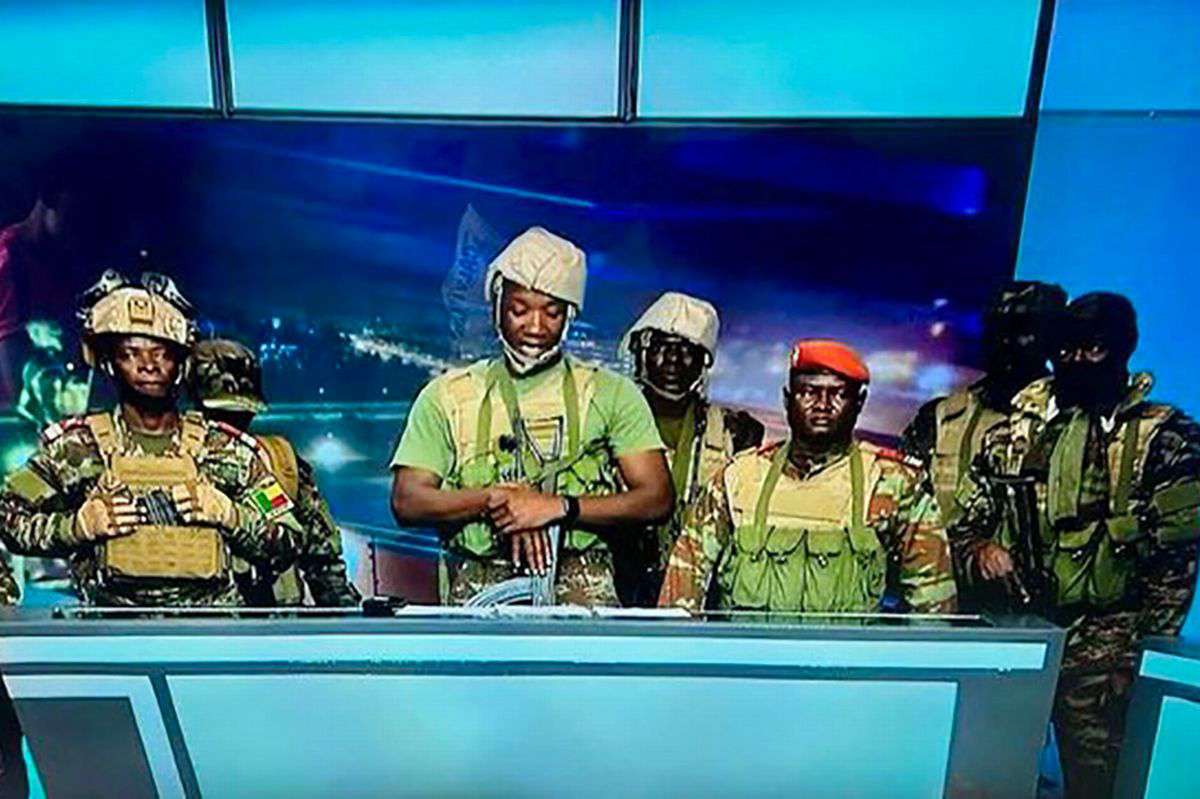
In the early hours of December 7, 2025, Benin Republic, a West African nation long seen as a beacon of stability, was thrust into chaos when a group of soldiers stormed the state television station in Cotonou.
Led by Lieutenant Colonel Pascal Tigri, they announced the overthrow of President Patrice Talon, the suspension of the November 2025 constitution, dissolution of all state institutions, and closure of land, sea, and air borders. This marked the first coup attempt in Benin since 1972, but it was swiftly crushed, highlighting deep seated political frustrations and the spreading wave of military interventions across the region.
The coup began around dawn, with reports of gunfire and explosions near President Talon’s residence at Camp Guezo in Cotonou. Witnesses described armed soldiers taking control of key sites, including the national broadcaster ORTB. By mid-morning, Tigri appeared on live television, declaring the formation of a “Military Committee for Refoundation” and stating that Talon had been removed from office. The announcement cited grievances over governance, but lacked specific details. Borders were shut, and political activities halted, sending shockwaves through the capital where residents were urged to stay indoors by foreign embassies, including France’s.
Pushback was immediate. Loyalist forces within the Benin Armed Forces mobilized quickly, regaining control of the television station and other strategic points with minimal resistance. By afternoon, Interior Minister Alassane Seidou addressed the nation, confirming that the mutiny by a “small group of soldiers” had been foiled. No casualties were reported, and the situation stabilized. President Talon, whose whereabouts were initially unknown, emerged safe and later delivered a televised address, assuring citizens that “the situation is totally under control” and vowing that “this adventure will not go unpunished. Long live Benin.” The perpetrators, including Tigri, were arrested, marking the end of the brief upheaval.
This event did not occur in a vacuum. Benin Republic has enjoyed relative peace since its last coup in 1972, transitioning to multiparty democracy in the 1990s. However, under President Talon, who assumed office in 2016 and won re election in 2021, the political landscape has grown tense. Talon, a businessman turned politician, has been credited with infrastructure reforms and economic growth, but critics accuse him of authoritarian tendencies. In November 2025, the National Assembly extended the presidential term from five to seven years, renewable once, a move seen as consolidating power. Opposition figures have been jailed or exiled, and elections have faced allegations of exclusion. Post election unrest in 2019 and 2021 saw soldiers firing on protesters demanding Talon’s resignation, fueling discontent. Economic hardships, including rising costs and youth unemployment, have amplified grievances. Remarkably, despite the 53 year coup free streak, some protesters emerged during the 2025 attempt, chanting pro coup slogans like “Down with Talon,” reflecting frustration with perceived democratic backsliding. Talon’s policies, such as restricting opposition participation, may have ignited this unrest, pushing segments of society to view military intervention as a reset.
The Benin attempt fits into a broader pattern of coups in West and Central Africa since 2020, a region dubbed the “Coup Belt.” Successful takeovers include Mali in August 2020 and May 2021, Guinea in September 2021, Burkina Faso twice in 2022, Niger in July 2023, and Gabon in August 2023. Failed attempts occurred in Guinea Bissau in 2022, Gambia in 2022, and Sierra Leone in 2023. Common triggers are security crises, corruption, and anti Western sentiment, particularly against French influence. The recent successful coup in Guinea Bissau on November 26, 2025, led by Brigadier General Denis N’Canha, ousted President Umaro Sissoco Embalo amid disputed elections and drug trafficking allegations. This event, just weeks before Benin’s, may have inspired Tigri’s group, as it demonstrated how military action could exploit electoral tensions. Guinea Bissau’s history of nine coups since independence underscores the contagious nature of instability in the region, where porous borders and shared economic woes amplify spillover effects.
Talon’s address carried weight beyond Benin. By emphasizing control and punishment, it signaled to the international community that Benin remains a reliable partner, countering fears of regional domino effects.
ECOWAS, which has suspended coup hit nations, is likely monitoring closely. The speech aimed to reassure investors and allies, given Benin’s strategic position.
Amid the tension, unverified reports emerged of Nigerian fighter jets deploying over Cotonou for surveillance, with six explosions heard, rumored to be airstrikes on fleeing plotters. Nigeria, sharing a long border with Benin, views instability as a direct threat, prompting precautionary measures rather than invasion. No official confirmation came, but the claims fueled speculation.
Adding intrigue, French President Emmanuel Macron announced intensified security partnerships with Nigeria hours into the coup, pledging support against terrorism. Conspiracy theories suggest this timing implies French Nigerian coordination to prop up Talon, a French ally, amid the anti French coup wave. For Nigeria, it raises questions of overreach, potentially straining relations if seen as interference. Yet, it underscores Abuja’s stake in regional stability, especially with its own security challenges.
Benin’s foiled coup serves as a cautionary tale. While Talon has restored order, underlying tensions demand inclusive reforms to prevent future unrest. As West Africa grapples with this epidemic, leaders must address root causes like inequality and governance failures, or risk more takeovers. For now, Benin breathes a sigh of relief, but the embers of discontent linger.