Nation
Profiting from Pain:The social economy of rape
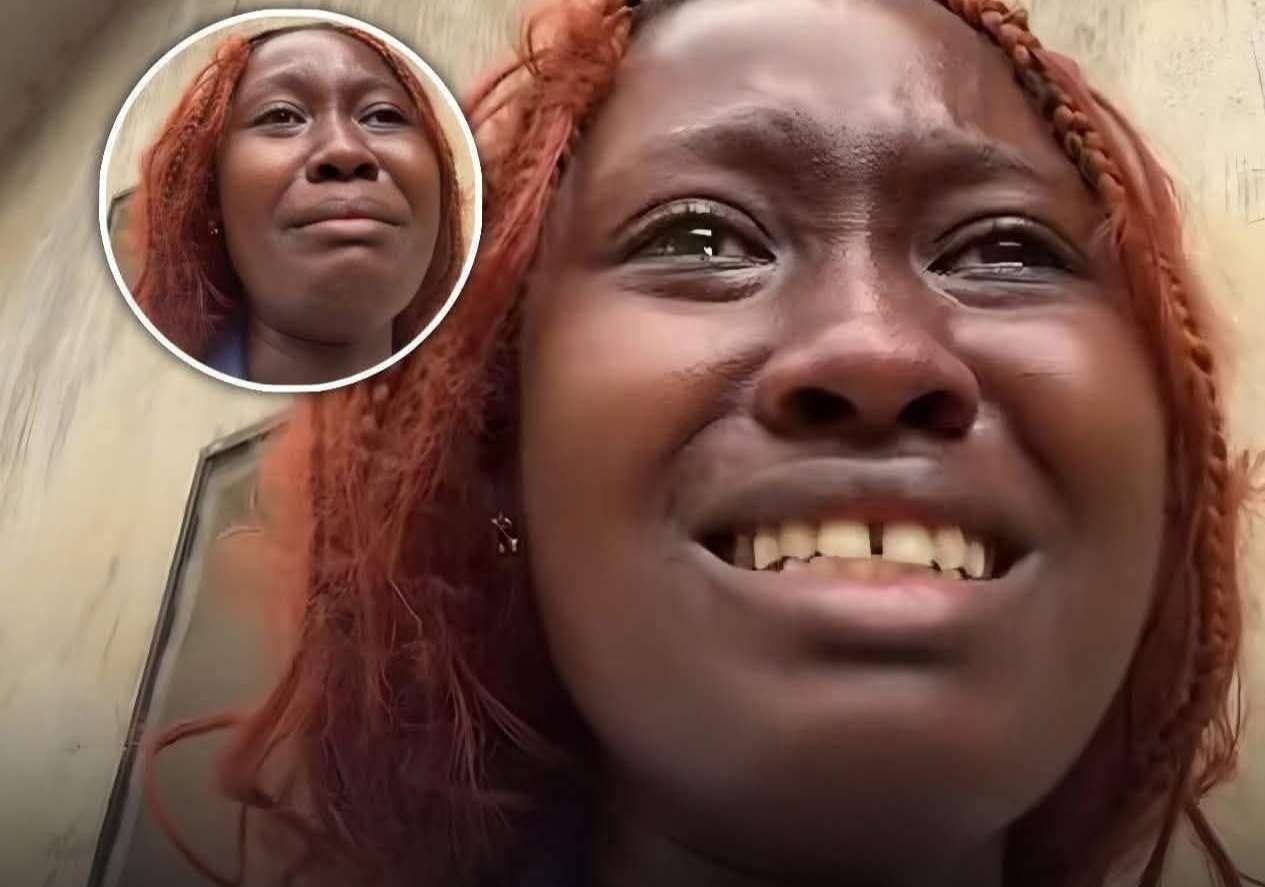
Is rape in Nigeria a symptom of the crushing economic pressures that define daily life for millions? With inflation soaring, unemployment rampant, and basic needs like food and transport becoming luxuries, some argue that such hardships push people toward desperate acts.
Yet others see it as a manifestation of deeper psychological issues, unrelated to financial strain. This editorial explores both sides, drawing on recent events, historical patterns, and expert insights to call for balanced justice that protects victims while punishing falsehoods.

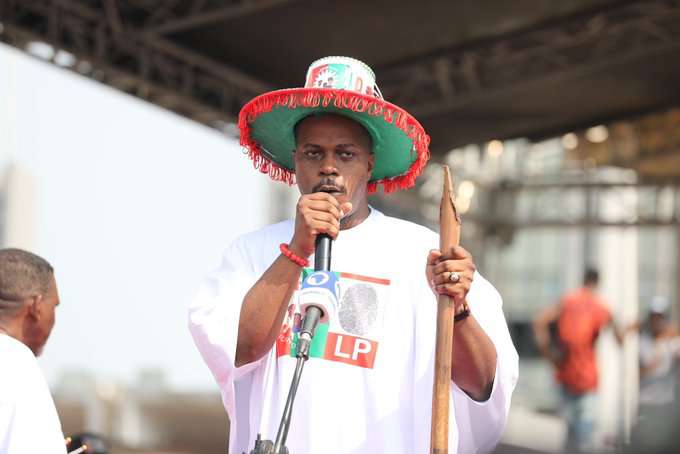
Economic hardship in Nigeria creates a pressure cooker environment. Consider Lagos, a city where over 20 million people navigate gridlocked traffic for hours each day, often just to earn a meager wage. Gbadebo Rhodes-Vivour, the 2023 Labour Party governorship candidate for Lagos, highlighted this in a January 2026 interview. He noted that with less than 3 percent of Nigerians earning over 100,000 naira monthly, the city’s development favors the elite, leaving the masses in survival mode. This constant grind, he implied, breeds frustration that can erupt into violence. For instance, commuters stuck in endless jams might return home agitated, leading to domestic abuse. Extend this to sexual violence: poverty can amplify feelings of powerlessness, prompting some to assert control through force. In rural areas, where job scarcity is acute, men might lure women with false promises of employment, only to assault them. Reports from February 2026 show cases where victims were enticed with work opportunities, such as a Lagos content creator who accused a man of assault after a fake modeling gig in Ajao Estate. These incidents suggest economic desperation as a catalyst, turning vulnerability into exploitation.
Government inaction on structural issues worsens this. Poor infrastructure, like inadequate public transport, heightens risks for women traveling alone. If addressed, such reforms could reduce opportunities for crime. However, validating rape as an “understandable” response to hardship is dangerous. No economic woe justifies violating another’s body. Rape remains a heinous act, regardless of context.
On the other side, many experts view rape primarily as a psychological issue, rooted in power dynamics, entitlement, or disorders. The comparison to homosexuality misses the mark entirely. Rape, by contrast, is a violent crime driven by dominance, not mutual attraction. The dopamine rush from a “first time” experience might apply to addictive behaviors, but equating it to pedophilia or rape oversimplifies complex pathologies. Pedophilia is classified as a psychiatric disorder in the DSM-5, often linked to trauma or neurological factors, while rape frequently stems from misogyny or sociopathy. In Nigeria, stories abound of perpetrators with no clear economic motive. For example, in conflict zones like the northeast, jihadist groups have used sexual violence as a weapon, with male survivors also reporting assaults. This points to ideological or psychological roots, not just poverty.
Recent trends in Nigeria illustrate both angles. Over the last three weeks of February 2026, several cases trended. In Niger State, police arrested ten suspects for raping minors, including a 12-year-old boy, with victims as young as three lured in neighborhoods. In Kano, a man was convicted for assaulting two underage girls. Two women were reportedly lured with job promises: one in Lagos involving a modeling scam, leading to an arrest. These align with economic triggers, as poverty makes false lures effective.
Yet falsehoods complicate the narrative. Mirabel’s story gripped social media: a TikTok user claimed she was raped in her Lagos apartment on February 15, 2026, after drinking, with the attacker taunting her via message. Her video amassed millions of views, drawing donations and sympathy. Investigations revealed it was fabricated; she confessed, citing a desire for attention, and was arrested for raising a false alarm. Similarly, at Obafemi Awolowo University (OAU), a student falsely accused a colleague of rape on social media, publishing his phone number and causing him harassment. She later apologized amid a 15 million naira defamation suit. These “untrue situations” aimed at crowdfunding or sympathy, pocketing funds from well-meaning Nigerians.
False accusations, often economically motivated, undermine real victims. Some women, facing financial woes, fabricate claims for alimony or donations, as seen in Mirabel’s case. Globally, this has devastated lives. In the US, Crystal Mangum falsely accused three Duke University lacrosse players of rape in 2006, leading to their suspension and national scandal; she admitted lying in 2024. Footballer Brian Banks served five years in prison for a false rape claim, later exonerated when his accuser recanted. Two Ohio State players were acquitted in 2023 after a false accusation upended their careers. Nikki Yovino lied about two Sacred Heart University athletes to impress a boyfriend, serving a year in prison. Many men languish in jail for decades before truth emerges, with accusers often facing no repercussions.
This imbalance endangers genuine victims. When falsehoods proliferate, skepticism grows, making it harder for real cases to gain traction. In Nigeria, where rape reports surged in recent years, false claims dilute public outrage. Social media amplifies this: one X user noted six rape cases in days, yet focus shifts to defending accusers. Another decried hypocrisy in excusing false alarms like Mirabel’s.
Strict enforcement is vital for economic growth. Look at India: High-profile rapes, like the 2012 Delhi bus case and 2024 gang assault on a Brazilian tourist, led to a 35 percent drop in female tourist arrivals in early 2013. Overall tourism fell 25 percent, with persistent fears deterring visitors. Foreign women now hesitate, viewing India as unsafe, costing billions in revenue. Nigeria risks the same if rape persists unchecked. Tourists, especially women, avoid destinations with such reputations, harming hospitality and foreign exchange.
To counter this, Nigeria must impose consequences for both rape and false accusations. Laws exist for rape, with penalties up to life imprisonment, but enforcement lags. For falsehoods, similar rigor is needed: prosecute under defamation or perjury statutes. This protects men from ruin and ensures actual victims are believed. Education on consent, mental health support for stressors, and economic reforms like job creation could address roots.
In the end, rape defies simple explanations. Economic stress may fuel it, but psychological factors often dominate. False claims, sometimes born of the same hardships, compound the harm. For a thriving Nigeria, justice must be swift and fair, safeguarding all while fostering growth. Only then can we escape these shadows.


![[VIDEO] Police disperse Lagos eviction protesters with tear gas](https://hallmarknews.com/wp-content/uploads/2026/01/Compress_20260128_145113_3243-400x240.jpg)
![[VIDEO] Police disperse Lagos eviction protesters with tear gas](https://hallmarknews.com/wp-content/uploads/2026/01/Compress_20260128_145113_3243-80x80.jpg)